
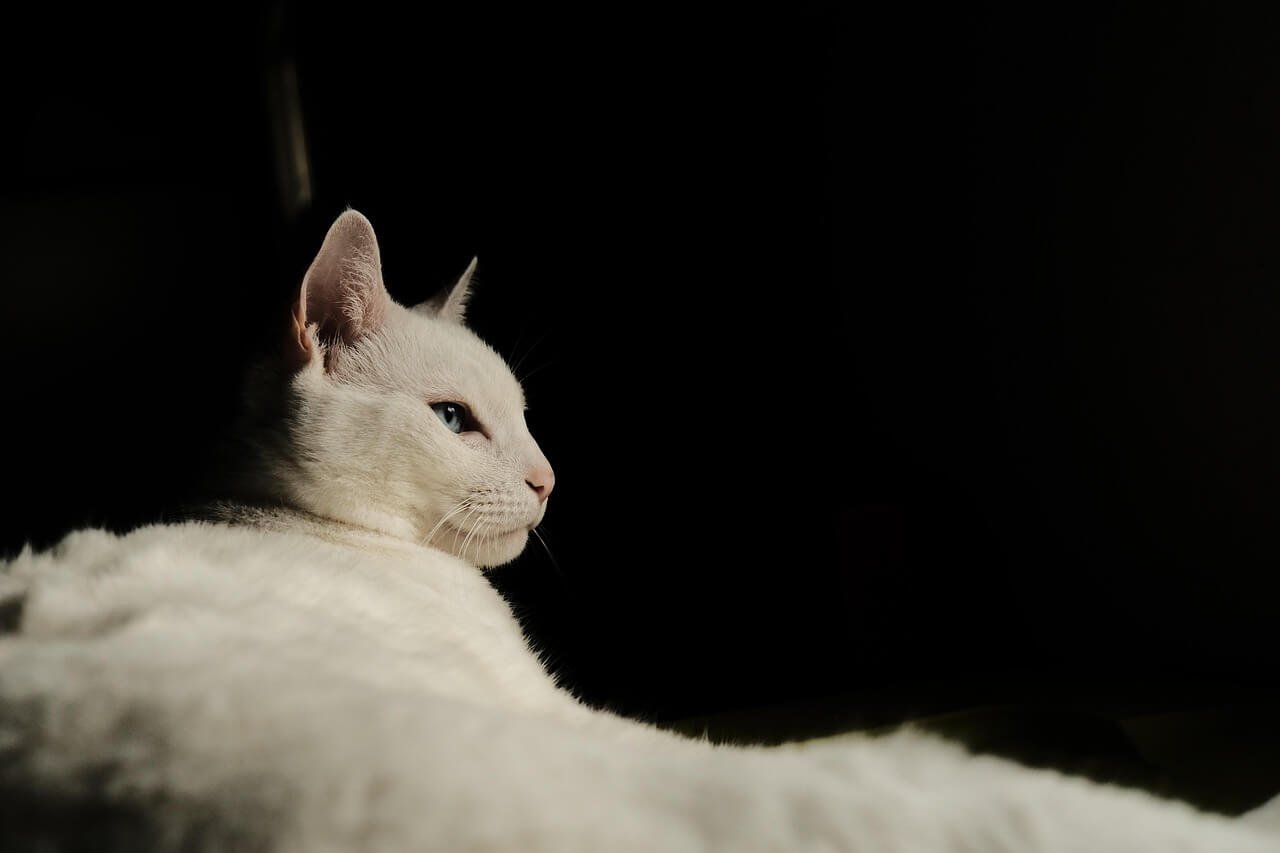

Understanding Pyoderma in Cats: Best 7 Health Tips!

Understanding Pyoderma in Cats: Best 7 Health Tips!

Understanding Pyoderma in Cats: Causes, Symptoms, and Treatment


Pyoderma in cats is a skin condition that occurs when bacteria infiltrate the skin, leading to infection and inflammation. While it’s less common in cats than in dogs, pyoderma can still be a source of discomfort for your feline companion if left untreated. This condition often manifests as red, irritated patches, scabs, or even hair loss, and it may indicate an underlying health issue. Whether caused by allergies, parasites, or immune system imbalances, understanding pyoderma is crucial for ensuring your cat’s skin stays healthy and irritation-free. In this guide, we’ll explore everything you need to know about pyoderma in cats, from identifying symptoms to managing treatment effectively.

What Triggers Pyoderma in Cats?


Pyoderma doesn’t develop on its own—it’s often a secondary issue triggered by other conditions or irritants. Identifying the root cause is essential for effective treatment. Here are some common triggers:

 
  • Allergies :
    Food, environmental, or flea allergies can compromise the skin barrier, making it vulnerable to bacterial infections.

  • Parasites :
    Fleas, mites, or lice can irritate the skin, creating openings for bacteria to invade.

  • Hormonal Imbalances :
    Conditions like hyperthyroidism or diabetes can weaken the immune system, increasing susceptibility to infections.

  • Trauma or Injury :
    Scratches, bites, or wounds provide entry points for bacteria, leading to localized pyoderma.

  • Poor Grooming Habits :
    Cats who are unable to groom themselves properly due to obesity or arthritis may develop skin issues.


By addressing these underlying causes, you can reduce the risk of pyoderma recurring. Early intervention is key to preventing complications and ensuring your cat’s comfort.

How to Spot Pyoderma in Your Cat


Recognizing the signs of pyoderma early can help you seek prompt veterinary care and prevent the condition from worsening. While symptoms may vary depending on the severity, here are some common indicators:

 
  • Red, Inflamed Skin :
    Patches of irritated skin are often the first visible sign of pyoderma.

  • Hair Loss :
    Cats may lose fur in areas affected by the infection, especially around the face, paws, or belly.

  • Crusting or Scabbing :
    Dry, flaky skin or scabs can form as the infection progresses.

  • Odor :
    A foul smell emanating from the affected area may indicate a bacterial infection.

  • Excessive Licking or Scratching :
    Cats with pyoderma often lick, chew, or scratch the irritated areas in an attempt to relieve discomfort.


If you notice any of these symptoms, consult your veterinarian immediately. Delayed treatment can lead to more severe infections or complications.

Understanding Pyoderma in Cats: Best 7 Health Tips!
Symptoms of Pyoderma
Possible Underlying Causes
Red, inflamed skin
Allergies (food, environmental, fleas)
Hair loss
Parasites (fleas, mites, lice)
Crusting or scabbing
Hormonal imbalances (diabetes, etc.)
Foul odor from affected areas
Trauma or injury to the skin
Excessive licking or scratching
Poor grooming habits

How Vets Identify Pyoderma in Cats


Diagnosing pyoderma involves a combination of physical examination and diagnostic tests. Understanding the process can help you prepare for your vet visit and ensure accurate results.

 
  • Physical Examination :
    The vet will inspect the affected areas for signs of inflammation, crusting, or hair loss.

  • Skin Scraping Test :
    A small sample of skin cells is examined under a microscope to check for parasites or fungal infections.

  • Bacterial Culture :
    Swabs from the infected area are cultured to identify the specific bacteria causing the infection.

  • Blood Tests :
    These tests can reveal underlying conditions like hormonal imbalances or immune system issues.

  • Allergy Testing :
    If allergies are suspected, the vet may recommend tests to pinpoint the allergen.


Accurate diagnosis is critical for tailoring the right treatment plan. Always trust your vet’s expertise to ensure your cat receives the best care possible.

Steps to Treat and Prevent Pyoderma in Cats


Treating pyoderma requires a combination of veterinary care and at-home management. Here are some steps to help your cat recover and reduce the risk of recurrence:

 
  • Antibiotics :
    Oral or topical antibiotics are often prescribed to eliminate the bacterial infection.

  • Anti-Inflammatory Medications :
    These can help reduce swelling and discomfort while the skin heals.

  • Regular Cleaning :
    Gently clean the affected areas with medicated shampoos or wipes recommended by your vet.

  • Address Underlying Issues :
    Treat allergies, parasites, or hormonal imbalances to prevent future flare-ups.

  • Monitor Progress :
    Keep an eye on your cat’s recovery and report any worsening symptoms to your vet.


With proper care and attention, most cats recover fully from pyoderma. Consistency and follow-up are key to long-term success.

Proactive Measures: How to Reduce the Risk of Pyoderma


Preventing pyoderma is often easier than treating it. By taking proactive steps to maintain your cat’s skin health and overall well-being, you can significantly reduce the likelihood of bacterial infections. Here are some preventive strategies to consider:

 
  • Regular Grooming :
    Brush your cat’s fur frequently to remove dirt, debris, and loose hair that could irritate the skin.

  • Flea and Parasite Control :
    Use vet-recommended flea treatments and parasite preventatives to keep your cat’s skin free from irritants.

  • Balanced Diet :
    Feed your cat a high-quality diet rich in essential nutrients to support skin and coat health.

  • Stress Reduction :
    Minimize stress by providing a stable environment, plenty of playtime, and safe spaces for relaxation.

  • Monitor Skin Health :
    Regularly check your cat’s skin for signs of irritation, redness, or unusual odors.


By incorporating these habits into your routine, you can help keep your cat’s skin healthy and resilient against infections like pyoderma. Prevention is always better than cure.

Supporting Your Cat’s Recovery at Home


While veterinary treatment is essential for managing pyoderma, there are steps you can take at home to support your cat’s healing process. These tips focus on creating a clean, comfortable environment and ensuring your cat feels safe during recovery.

 
  • Keep the Environment Clean :
    Wash bedding, toys, and surfaces regularly to minimize exposure to bacteria.

  • Use Soft Bedding :
    Provide plush, hypoallergenic bedding to prevent further irritation of sensitive skin.

  • Limit Access to Irritants :
    Remove potential allergens like scented candles, harsh cleaning products, or dusty areas.

  • Administer Medications as Directed :
    Follow your vet’s instructions carefully when giving antibiotics or topical treatments.

  • Encourage Rest and Relaxation :
    Ensure your cat has quiet spaces to rest and recover without disturbance.


These home care practices can enhance the effectiveness of professional treatment and speed up your cat’s recovery. Consistency and attention to detail are key.

Recognizing Emergency Signs in Cats with Pyoderma


While many cases of pyoderma are treatable with routine care, some situations require immediate veterinary attention. Knowing when to seek help can make all the difference in your cat’s prognosis. Here are signs that warrant an urgent vet visit:

 
  • Severe Swelling or Pain :
    If the affected area becomes excessively swollen or painful, it may indicate a worsening infection.

  • Fever or Lethargy :
    A sudden lack of energy or elevated body temperature could signal systemic illness.

  • Open Wounds or Bleeding :
    Large sores, ulcers, or bleeding areas need prompt medical evaluation.

  • Loss of Appetite :
    Refusal to eat or drink can lead to dehydration and other complications.

  • Rapid Spread of Symptoms :
    If the infection spreads quickly to other parts of the body, seek help immediately.


Don’t hesitate to contact your vet if you notice any of these warning signs. Early intervention can prevent complications and ensure your cat receives timely care.

Frequently Asked Questions About Pyoderma in Cats

 
Is pyoderma contagious between cats?

No, pyoderma itself isn’t contagious, but underlying causes like fleas or mites can spread between animals.

It’s not recommended; pyoderma requires professional diagnosis and treatment to avoid complications.

With proper treatment, most cases resolve within 2–4 weeks, though severe cases may take longer.

Yes, poor nutrition or food allergies can weaken the skin barrier and increase susceptibility.

It may recur if underlying causes aren’t addressed, so ongoing management is important.

Final Thoughts: Keeping Your Cat’s Skin Healthy


Pyoderma in cats is a manageable condition, but it requires vigilance, patience, and collaboration with your veterinarian. By recognizing the symptoms early and addressing the underlying causes, you can help your cat recover comfortably and reduce the risk of future flare-ups. Remember, a healthy cat starts with healthy skin—so keep an eye out for any changes and prioritize regular grooming and vet check-ups. With your love and care, your feline friend can enjoy a happy, itch-free life.

Is Rawhide Bad for Cats? Best 7 Expert Tips!

Is Rawhide Bad for Cats? Best 7 Expert Tips! – Discover the risks, safe alternatives, and expert advice to keep your feline friend healthy and happy.

Is Rawhide Bad for Dogs? Best 7 Expert Tips!

Is Rawhide Bad for Dogs? Best 7 Expert Tips! – Discover the risks, benefits, and safer alternatives to rawhides for your dog’s chewing needs.

Understanding Anorexia in Cats: Best 7 Expert Tips!

Understanding Anorexia in Cats: Best 7 Expert Tips! – Learn why cats stop eating, spot warning signs, and discover how to help your feline regain appetite safely.

Understanding Anorexia in Dogs: Best 7 Expert Tips!

Understanding Anorexia in Dogs: Best 7 Expert Tips! – Learn causes, symptoms, and solutions to help your dog regain appetite and stay healthy.

Leave a Reply

Your email address will not be published. Required fields are marked *