
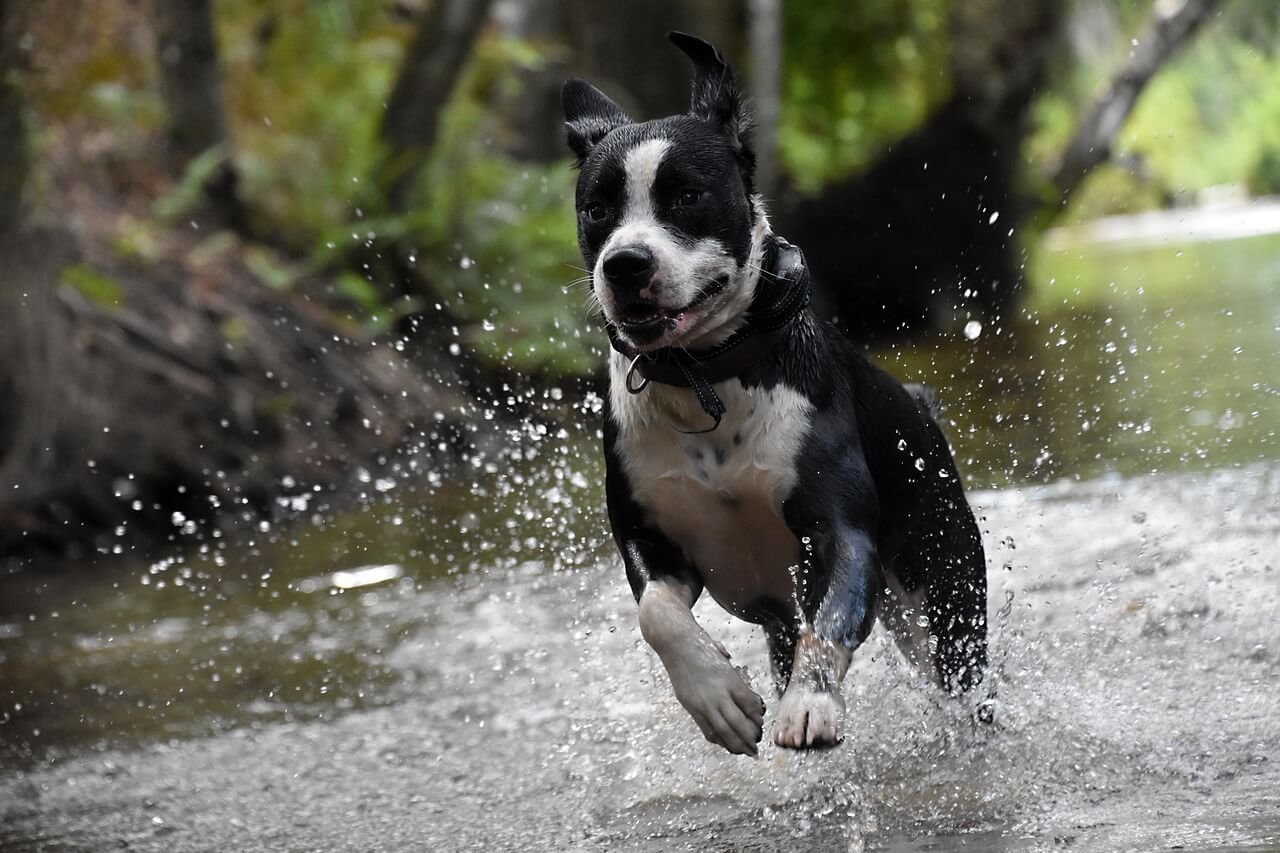


Dog Button Training: Best 7 Expert Tips!

Dog Button Training: Best 7 Expert Tips!

Dog Button Training: Unlocking a New Way to Communicate with Your Pup


Imagine being able to “talk” to your dog in a way that goes beyond barks, whines, and tail wags. Dog button training is revolutionizing the way humans and their canine companions communicate by teaching dogs to use sound boards with buttons that express specific words or phrases. From saying “outside” to asking for “food” or even expressing “love,” this innovative training method opens up a world of possibilities for deeper understanding and connection. Whether you’re a curious beginner or a seasoned trainer, dog button training offers an exciting opportunity to explore your dog’s cognitive abilities.

In this blog post, we’ll dive into what dog button training is, how to get started, and tips for success. By the end, you’ll be ready to embark on this rewarding journey with your furry friend.

How to Get Started with Dog Button Training


Starting dog button training might seem daunting at first, but with patience and consistency, it can be a fun and enriching experience for both you and your dog. Here are some key steps to begin your journey:

 
  • Choose the Right Sound Board:
    Start with a simple board that has 4-6 buttons, such as “outside,” “food,” “water,” and “play,” to avoid overwhelming your dog.

  • Place Buttons in a Consistent Location:
    Keep the sound board in an easily accessible spot where your dog spends most of their time, like near their food bowl or bed.

  • Model the Behavior:
    Press the buttons yourself while saying the corresponding word aloud to demonstrate how they work.

  • Introduce One Button at a Time:
    Focus on teaching one button first, such as “outside,” before adding more to prevent confusion.

  • Reward Correct Usage:
    Immediately reward your dog with treats, praise, or the desired action (e.g., going outside) when they press the correct button.


By following these steps, you’ll lay a strong foundation for successful dog button training and set your pup up for long-term learning.

How to Get Started with Dog Button Training


Starting dog button training might seem daunting at first, but with patience and consistency, it can be a fun and enriching experience for both you and your dog. Here are some key steps to begin your journey:

 
  • Choose the Right Sound Board:
    Start with a simple board that has 4-6 buttons, such as “outside,” “food,” “water,” and “play,” to avoid overwhelming your dog.

  • Place Buttons in a Consistent Location:
    Keep the sound board in an easily accessible spot where your dog spends most of their time, like near their food bowl or bed.

  • Model the Behavior:
    Press the buttons yourself while saying the corresponding word aloud to demonstrate how they work.

  • Introduce One Button at a Time:
    Focus on teaching one button first, such as “outside,” before adding more to prevent confusion.

  • Reward Correct Usage:
    Immediately reward your dog with treats, praise, or the desired action (e.g., going outside) when they press the correct button.


By following these steps, you’ll lay a strong foundation for successful dog button training and set your pup up for long-term learning.

Dog Button Training: Best 7 Expert Tips!
Common Challenges in Dog Button Training
How to Overcome Them
Dog ignores the buttons
Use high-value rewards to capture interest
Confusion with multiple buttons
Introduce one button at a time for clarity
Lack of consistency in training
Stick to a regular routine and practice daily
Dog presses buttons randomly
Reward only intentional, correct presses
Slow progress in learning
Be patient and celebrate small milestones

Signs Your Dog Is Progressing in Button Training


As your dog becomes more familiar with the sound board, you’ll notice subtle and exciting signs of progress. Here’s what to look for:

 
  • Increased Interest in the Buttons:
    Your dog may start approaching the board and sniffing or pawing at it more frequently.

  • Purposeful Button Presses:
    They’ll begin pressing specific buttons in context, such as “outside” when they need to go out.

  • Combining Words Creatively:
    Advanced learners might combine buttons to form simple “sentences,” like “want play.”

  • Anticipating Actions:
    Your dog may press a button before an activity, such as “food” before mealtime, showing anticipation.

  • Seeking Communication:
    If your dog uses buttons to initiate interactions, like pressing “pet me,” it’s a clear sign they understand.


These signs indicate that your dog is not only learning but also enjoying the process of communicating with you.

Advanced Techniques for Dog Button Training


Once your dog has mastered the basics, you can take their button training to the next level with these advanced techniques:

 
  • Introduce Abstract Concepts:
    Teach buttons for emotions like “happy,” “sad,” or “love” to expand their expressive range.

  • Create Custom Phrases:
    Combine multiple buttons to form unique phrases, such as “I want ball” or “Where is Mom?”

  • Experiment with Different Locations:
    Place sound boards in various areas of your home to encourage consistent use throughout the day.

  • Encourage Spontaneous Communication:
    Wait for your dog to initiate conversations rather than always prompting them to press buttons.

  • Record and Analyze Progress:
    Keep a journal of your dog’s button usage to track patterns, improvements, and new discoveries.


By incorporating these techniques, you’ll unlock even greater potential in your dog’s ability to communicate and connect with you.

Common Mistakes to Avoid in Dog Button Training

While dog button training is a rewarding experience, there are pitfalls that can slow progress or discourage your dog. Being aware of these mistakes will help you stay on track and make the process smoother for both you and your pup.

 
  • Using Too Many Buttons at Once:
    Introducing too many buttons early on can overwhelm your dog and hinder learning.

  • Inconsistent Placement of the Board:
    Moving the board frequently confuses dogs, as consistency helps them associate the buttons with specific actions.

  • Neglecting Positive Reinforcement:
    Failing to reward correct button presses reduces motivation and slows progress.

  • Expecting Immediate Results:
    Dogs need time to learn, so rushing the process can lead to frustration for both parties.

  • Not Modeling Enough:
    Underestimating the importance of demonstrating how buttons work can leave your dog unsure of what to do.


By avoiding these common mistakes, you’ll create a supportive environment that encourages steady progress and keeps your dog engaged.

Fun Ways to Keep Your Dog Motivated During Training

Maintaining your dog’s enthusiasm is key to successful button training. Here are creative ways to keep the process enjoyable and motivating:

 
  • Turn It Into a Game:
    Incorporate button pressing into playtime, like pressing “play” before fetching a ball.

  • Use Surprise Rewards:
    Occasionally offer unexpected treats or extra praise to keep your dog excited about learning.

  • Celebrate Small Wins:
    Throw a mini celebration (e.g., clapping or cheering) when your dog presses a button correctly.

  • Introduce New Buttons Gradually:
    Add novelty by introducing new words or phrases once they’ve mastered the basics.

  • Involve Family Members:
    Have other household members participate in training to keep it varied and engaging.


These strategies will ensure your dog stays motivated and looks forward to their button training sessions.

Signs Your Dog Is Ready to Learn More Buttons

As your dog becomes proficient with their current set of buttons, you’ll notice signs that they’re ready to expand their vocabulary. Here’s how to tell when it’s time to introduce new concepts:

 
  • Consistent Use of Existing Buttons:
    If your dog reliably uses buttons like “outside” or “food,” they may be ready for more complexity.

  • Curiosity About Unused Buttons:
    Pawing or sniffing at buttons they haven’t learned yet shows interest in exploring further.

  • Combining Buttons Creatively:
    When your dog starts pressing two buttons together, like “want” + “ball,” it indicates advanced thinking.

  • Initiating Communication More Often:
    If your dog frequently approaches the board to press buttons, they’re eager to express themselves.

  • Responding to Questions Posed by You:
    Answering prompts like “What do you want?” by pressing relevant buttons demonstrates readiness.


Recognizing these signs ensures you continue challenging your dog while keeping the learning process fun and rewarding.

Frequently Asked Questions About Dog Button Training

 
Can any dog learn to use buttons?

Most dogs can learn with patience and consistent training, regardless of age or breed.

Progress varies, but many dogs start using basic buttons within a few weeks of consistent practice.

While dedicated sound boards are ideal, DIY setups with recordable buttons can also work.

Reassess your rewards system and try making training sessions shorter and more engaging.

Research suggests dogs can associate buttons with specific actions or desires, demonstrating a basic level of understanding.


Final Thoughts: Strengthening Your Bond Through Communication


Dog button training is more than just a novel way to interact with your pet—it’s a gateway to a deeper, more meaningful relationship. By teaching your dog to express their needs and desires through buttons, you’re not only unlocking their potential but also fostering trust, patience, and mutual understanding. Remember, every dog learns at their own pace, so celebrate each milestone and enjoy the process together. With dedication and love, you’ll discover just how much your furry companion has to say. So grab a sound board, start pressing those buttons, and embark on this incredible journey of communication with your dog. Happy training!

Is Rawhide Bad for Cats? Best 7 Expert Tips!

Is Rawhide Bad for Cats? Best 7 Expert Tips! – Discover the risks, safe alternatives, and expert advice to keep your feline friend healthy and happy.

Is Rawhide Bad for Dogs? Best 7 Expert Tips!

Is Rawhide Bad for Dogs? Best 7 Expert Tips! – Discover the risks, benefits, and safer alternatives to rawhides for your dog’s chewing needs.

Understanding Anorexia in Cats: Best 7 Expert Tips!

Understanding Anorexia in Cats: Best 7 Expert Tips! – Learn why cats stop eating, spot warning signs, and discover how to help your feline regain appetite safely.

Understanding Anorexia in Dogs: Best 7 Expert Tips!

Understanding Anorexia in Dogs: Best 7 Expert Tips! – Learn causes, symptoms, and solutions to help your dog regain appetite and stay healthy.

Leave a Reply

Your email address will not be published. Required fields are marked *