
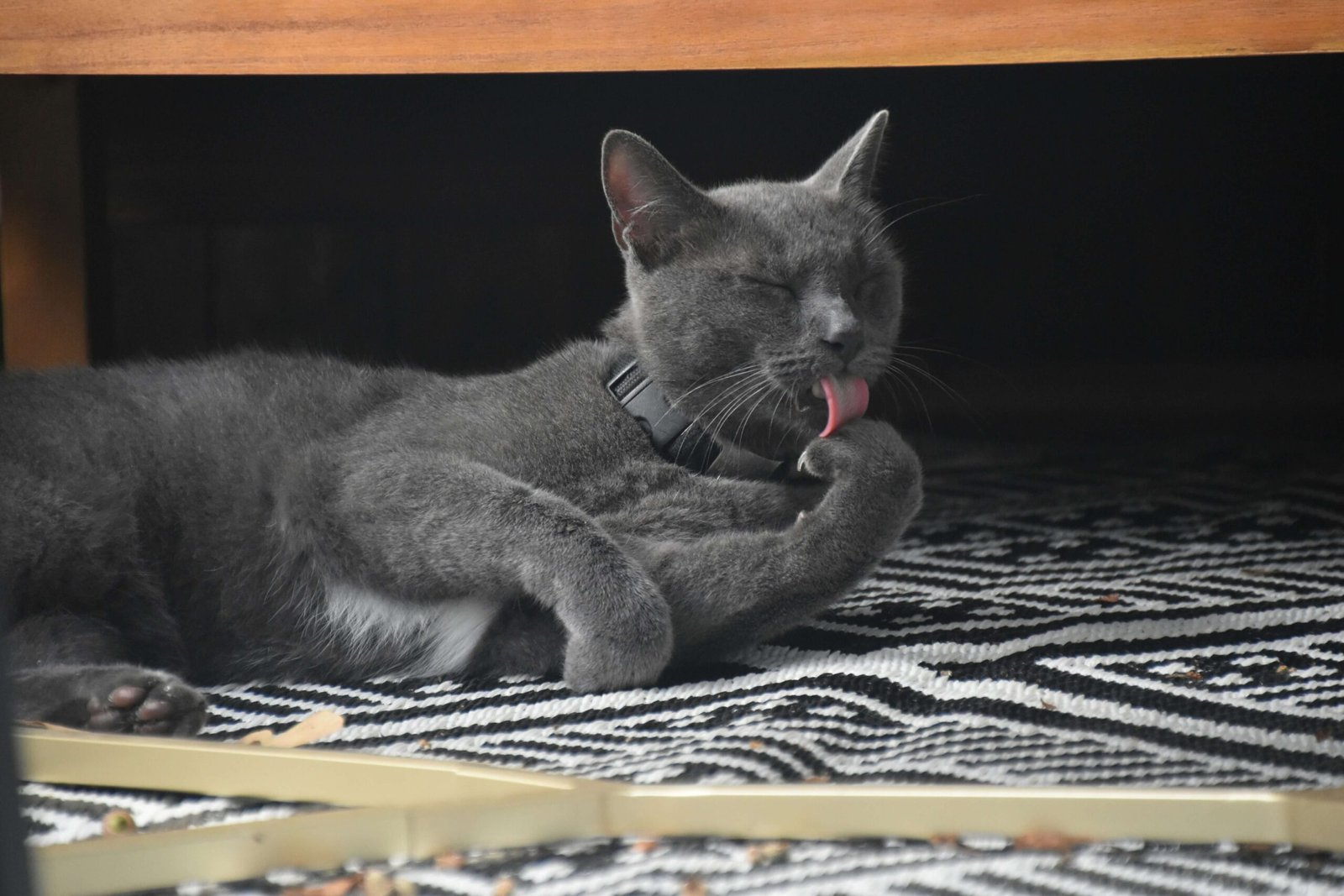

How to Stop a Cat from Licking Its Fur Off: Understanding the Behavior
Cats are meticulous groomers by nature, but excessive licking can sometimes escalate into a concerning habit that leads to bald patches or skin irritation. If you’ve noticed your feline friend obsessively licking its fur off, it’s natural to feel worried. This behavior, known as overgrooming, is often a sign of an underlying issue—whether physical, emotional, or environmental. In this blog post, we’ll explore the reasons behind this behavior, provide practical tips to address it, and help you restore your cat’s health and happiness. With patience and the right approach, you can stop your cat from licking its fur off and prevent further complications.
Common Reasons Why Cats Lick Their Fur Off
Understanding why your cat is overgrooming is the first step toward addressing the problem. While occasional grooming is normal, excessive licking can indicate a deeper issue that requires attention. Here are some common causes to consider:
Allergies :
Cats can develop allergies to food, pollen, dust mites, or household chemicals, leading to itchy skin and compulsive licking.Parasites :
Fleas, ticks, or mites can cause intense itching, prompting your cat to lick excessively in an attempt to relieve discomfort.Stress or Anxiety :
Changes in routine, new pets, or environmental disturbances can trigger stress-related overgrooming in sensitive cats.Skin Infections :
Bacterial or fungal infections, such as ringworm, can irritate the skin and encourage persistent licking.Pain or Discomfort :
Underlying pain, such as arthritis or urinary tract issues, may cause a cat to focus on specific areas of its body through licking.
Identifying the root cause is essential for effective intervention. Once you understand why your cat is engaging in this behavior, you can take targeted steps to address it and provide relief.
Practical Tips to Stop Your Cat from Licking Its Fur Off
If your cat is overgrooming, there are several strategies you can implement to curb the behavior and promote healthier habits. These tips focus on both immediate relief and long-term solutions.
Consult a Veterinarian :
Schedule a check-up to rule out medical conditions like allergies, infections, or parasites that might be causing the behavior.Provide Distractions :
Introduce interactive toys, scratching posts, or puzzle feeders to redirect your cat’s energy away from licking.Create a Calming Environment :
Use pheromone diffusers or soft music to reduce stress and create a peaceful atmosphere for your cat.Use Protective Gear :
Consider using an Elizabethan collar (cone) or protective clothing temporarily to prevent further damage while addressing the root cause.Improve Grooming Habits :
Regularly brush your cat’s fur to remove loose hair and reduce the urge to groom excessively.
By combining these approaches, you can help your cat break the cycle of overgrooming and encourage healthier behaviors over time.
Check this guide 👉Why Is My Cat Licking Everything? Best 7 Expert Tips!
Check this guide 👉Why Is My Cat Licking My Blanket? Best 7 Behavior Tips!
Check this guide 👉Why Is My Cat Flicking the End of Their Tail? Best 7 Tips!
Signs Your Cat Is Overgrooming | Steps to Address the Issue |
|---|---|
Bald patches or thinning fur | Consult a vet for diagnosis |
Red, irritated, or scabby skin | Treat underlying skin issues |
Obsessive licking in one area | Identify potential pain sources |
Increased hiding or anxiety | Reduce stress triggers |
Excessive hairballs | Improve diet and grooming habits |
How to Prevent Future Overgrooming Episodes
Prevention is key to ensuring your cat doesn’t fall back into the habit of licking its fur off. By addressing potential triggers proactively, you can minimize the risk of recurrence.
Maintain a Consistent Routine :
Cats thrive on predictability, so sticking to a regular feeding, play, and sleep schedule can reduce stress-induced behaviors.Monitor Diet and Nutrition :
Provide high-quality food and ensure your cat isn’t exposed to allergens or irritants that could trigger itching.Regular Vet Check-Ups :
Schedule routine visits to catch any health issues early before they lead to overgrooming.Keep Parasites at Bay :
Use flea and tick prevention treatments as recommended by your vet to avoid infestations.Enrich Their Environment :
Offer climbing spaces, cozy hiding spots, and mental stimulation to keep your cat engaged and content.
Taking these preventive measures can significantly reduce the likelihood of your cat developing overgrooming tendencies again in the future.
Signs That Your Cat Needs Immediate Attention
While some cases of overgrooming can be managed at home, others require urgent veterinary care. Knowing when to seek professional help is crucial for your cat’s well-being.
Severe Hair Loss :
If large portions of your cat’s fur are missing, it may indicate a serious underlying condition requiring prompt treatment.Open Sores or Bleeding :
Wounds caused by excessive licking can become infected and need medical attention.Lethargy or Depression :
A sudden change in energy levels or mood can signal pain or illness that needs to be addressed.Loss of Appetite :
Refusal to eat or drink alongside overgrooming could point to a systemic health issue.Behavioral Changes :
Aggression, withdrawal, or other unusual behaviors may accompany overgrooming and warrant investigation.
If you notice any of these signs, don’t delay—contact your veterinarian immediately to ensure your cat receives the care they need.
How to Identify Stress-Related Overgrooming
If your cat’s excessive licking seems to stem from stress or anxiety, it’s important to identify the specific triggers in their environment. Cats are highly sensitive creatures, and even minor changes can lead to overgrooming. Here are some common stressors and how to recognize them:
Changes in Routine :
Moving furniture, altering feeding times, or introducing new family members can disrupt your cat’s sense of security.Loud Noises :
Constant noise from construction, vacuum cleaners, or loud music can make your cat feel unsafe.New Pets or People :
The arrival of a new pet or houseguest can cause territorial stress and trigger compulsive behaviors.Lack of Hiding Spaces :
Cats need safe spaces to retreat when they feel overwhelmed; without them, they may resort to overgrooming.Boredom or Lack of Stimulation :
A lack of mental or physical stimulation can lead to anxiety, which manifests as excessive grooming.
By pinpointing these stressors, you can take steps to minimize their impact and create a calmer environment for your cat. Addressing the root cause of stress is often the first step toward stopping overgrooming.
Natural Remedies to Soothe Your Cat’s Skin
In addition to addressing behavioral or medical causes, soothing your cat’s skin can help reduce the urge to lick excessively. Natural remedies can provide relief while being gentle on your cat’s sensitive system. Here are some options to consider:
Aloe Vera Gel (Pet-Safe) :
Apply a small amount of pet-safe aloe vera gel to irritated areas to promote healing and reduce inflammation.Oatmeal Baths :
Use a specially formulated oatmeal shampoo for cats to alleviate itchiness and moisturize dry skin.Coconut Oil :
Dab a tiny amount of organic, unrefined coconut oil on affected areas to hydrate the skin naturally.Herbal Supplements :
Chamomile or valerian root supplements can help calm your cat and reduce stress-related licking.Witch Hazel :
This natural astringent can be applied sparingly to soothe irritated skin and reduce redness.
While these remedies can provide temporary relief, always consult your veterinarian before introducing new treatments to ensure they’re safe for your cat.
When to Use Behavioral Training Techniques
Behavioral training can be an effective way to redirect your cat’s focus away from excessive licking and toward healthier activities. These techniques work best when combined with other interventions, such as addressing underlying medical issues or environmental stressors. Here’s how you can use training to stop overgrooming:
Positive Reinforcement :
Reward your cat with treats or praise when they engage in non-grooming behaviors, like playing or resting calmly.Clicker Training :
Use a clicker to mark desirable behaviors and reinforce them with rewards, helping your cat associate good habits with positive outcomes.Scheduled Playtime :
Dedicate specific times each day to interactive play sessions, which can tire your cat out and reduce stress-related licking.Introduce New Toys :
Rotate toys regularly to keep your cat entertained and distracted from obsessive grooming habits.Teach Relaxation Cues :
Train your cat to respond to calming commands or cues, such as settling on a mat or lying down quietly.
Behavioral training takes time and consistency, but it can yield long-term results by encouraging healthier coping mechanisms. Combine these techniques with patience and love to help your cat overcome this challenging behavior.
Frequently Asked Questions About Stopping Cats from Licking Their Fur Off
Is it normal for cats to lick themselves a lot?
Some licking is normal, but excessive grooming that leads to hair loss or skin damage is not and should be investigated.
Can stress cause my cat to lick its fur off?
Yes, stress or anxiety can lead to overgrooming as a coping mechanism. Identifying and reducing stressors can help.
How do I know if my cat has fleas?
Look for tiny black specks (flea dirt), scratching, or visible fleas on your cat’s skin. A vet can confirm and recommend treatment.
Will an Elizabethan collar stop my cat from licking?
It can temporarily prevent further damage while addressing the root cause, but it’s not a long-term solution.
Can diet affect my cat’s grooming habits?
Absolutely. Poor nutrition or food allergies can contribute to itchy skin and overgrooming. Switching to a high-quality diet may help.
Final Thoughts: Helping Your Cat Break the Overgrooming Cycle
Stopping a cat from licking its fur off requires patience, observation, and a proactive approach to identify and address the underlying cause. Whether the issue stems from physical discomfort, stress, or environmental factors, understanding your cat’s unique needs is the key to success. By working closely with your veterinarian and implementing the strategies outlined in this guide, you can restore your cat’s confidence, comfort, and well-being. Remember, every cat is different, so tailor your approach to suit their personality and preferences. With love and care, you can help your furry companion overcome this challenging behavior and enjoy a happier, healthier life.
Can I Give My Cat Midol? Best 7 Expert Tips! – Learn the risks, symptoms, and safe alternatives to keep your cat healthy and avoid toxic reactions.
Can I Give My Dog Midol? Best 7 Expert Tips! – Discover the risks, safe alternatives, and expert advice to keep your dog safe from accidental poisoning.
Maximum Weight for Cats on Planes: Best 7 Expert Tips! – Learn airline policies, tips to stay compliant, and ensure safe travels for your feline friend.
Max Weight for Dogs on Planes: Best 7 Expert Tips! – Discover airline weight limits, safe travel tips, and solutions for flying with your dog stress-free.


