
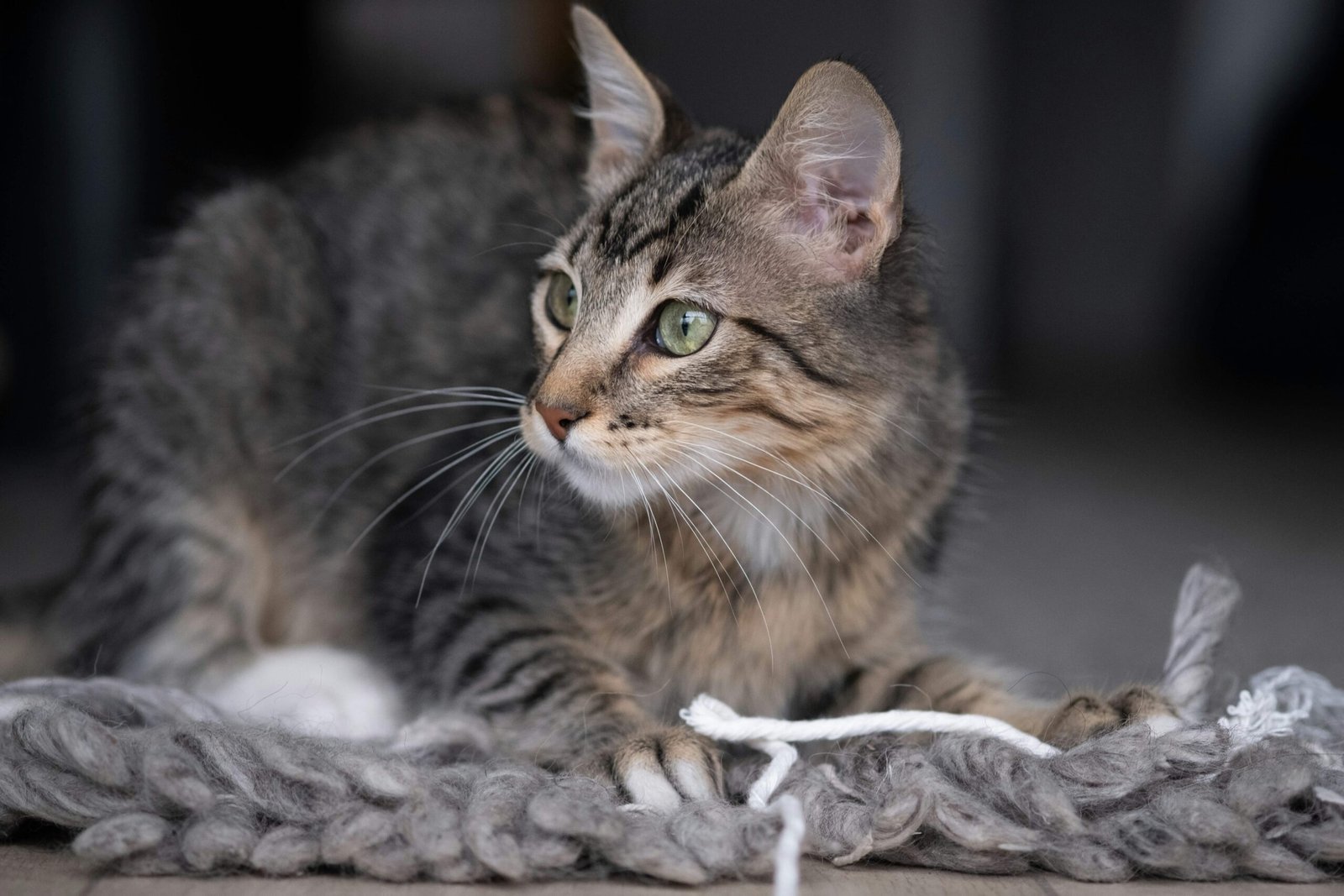

What to Do If Your Cat Ate Yarn: Understanding the Risks
Cats are naturally curious creatures, and their playful antics often lead them to explore objects they shouldn’t—like yarn. While a ball of yarn might seem like the perfect toy for your feline friend, it can pose serious health risks if ingested. If you’ve discovered that your cat has eaten yarn, it’s important to act quickly and responsibly. In this blog post, we’ll explore why cats are drawn to yarn, the potential dangers of ingestion, and how to handle this situation effectively. By understanding these risks and taking the right steps, you can ensure your cat stays safe and healthy.
Why Cats Are Attracted to Yarn
Cats are instinctively drawn to string-like objects due to their natural hunting instincts. Yarn mimics the movement of prey, triggering their predatory behavior. However, this fascination can lead to dangerous situations if they decide to chew or swallow it. Here are some reasons why cats love yarn—and why it’s problematic.
Hunting Instincts :
Yarn resembles the movement of snakes or small animals, which cats are wired to chase and capture.Playful Nature :
Cats enjoy batting and pouncing on objects, and yarn provides endless entertainment due to its unpredictable movements.Curiosity About Texture :
The soft, flexible texture of yarn appeals to a cat’s tactile senses, encouraging them to bite or chew it.Lack of Awareness of Danger :
Unlike humans, cats don’t understand the risks associated with swallowing non-food items.Boredom or Stress :
Cats may turn to yarn as a way to alleviate boredom or anxiety if they lack other forms of stimulation.
While yarn might seem harmless at first glance, its appeal to cats can lead to serious complications if ingested. Understanding these behaviors can help you take preventive measures to keep your cat safe.
Potential Dangers of Yarn Ingestion
If your cat has swallowed yarn, it’s crucial to recognize the potential risks involved. Yarn can cause a range of gastrointestinal issues, some of which may require immediate veterinary attention. Below are the most common dangers associated with yarn ingestion.
Intestinal Blockage :
Yarn can bunch up in the intestines, leading to a blockage that prevents food from passing through.Linear Foreign Body Obstruction :
When yarn is partially swallowed, one end may remain stuck in the stomach while the rest stretches through the intestines, causing severe damage.Perforation of the Intestines :
Sharp edges of yarn can tear delicate intestinal tissues, leading to life-threatening infections.Vomiting and Diarrhea :
Ingested yarn can irritate the digestive tract, resulting in persistent vomiting or diarrhea.Loss of Appetite :
Cats experiencing discomfort from yarn ingestion may refuse to eat, leading to dehydration and weight loss.
These risks highlight the importance of addressing yarn ingestion promptly. Early intervention can prevent complications and ensure your cat’s well-being.
Check this guide 👉Can Cats Eat Avocado? Best 7 Expert Tips!
Check this guide 👉Can Cats Eat Popcorn? Best 7 Expert Tips!
Check this guide 👉Can Cats Eat Shrimp? Best 7 Expert Tips!
Signs Your Cat May Have Eaten Yarn | Steps to Take Immediately |
|---|---|
Persistent vomiting | Monitor your cat closely and call your vet. |
Lethargy or weakness | Keep your cat calm and avoid feeding them. |
Visible string hanging from the mouth | Do not pull the string; seek veterinary help immediately. |
Loss of appetite | Offer water but withhold food until professional advice is given. |
Abdominal swelling or pain | Transport your cat to the vet as soon as possible. |
Immediate Actions to Take If Your Cat Ate Yarn
Discovering that your cat has swallowed yarn can be alarming, but staying calm and acting swiftly is essential. Here’s what you should do to address the situation effectively and minimize risks.
Assess the Situation :
Check if any yarn is visible in your cat’s mouth or hanging out. Avoid pulling it, as this could cause further damage.Call Your Veterinarian :
Contact your vet immediately to explain the situation and follow their advice on next steps.Observe Symptoms :
Watch for signs of distress such as vomiting, lethargy, or abdominal pain, and report these to your vet.Do Not Induce Vomiting :
Attempting to make your cat vomit without professional guidance can worsen the condition.Keep Your Cat Calm :
Minimize stress by keeping your cat in a quiet, comfortable space until you can see the vet.
Taking these steps promptly can make a significant difference in your cat’s recovery process and reduce the likelihood of complications.
Preventive Measures to Keep Your Cat Safe
Prevention is key when it comes to protecting your cat from the dangers of yarn ingestion. By implementing simple strategies, you can minimize the risk of accidents and keep your feline friend safe.
Store Yarn Securely :
Keep all yarn, string, and similar materials out of your cat’s reach, preferably in closed containers.Provide Safe Toys :
Opt for cat-safe toys specifically designed to withstand chewing and play without posing a choking hazard.Supervise Playtime :
Always monitor your cat during playtime with objects like yarn to ensure they don’t attempt to swallow them.Redirect Curiosity :
Use interactive toys or puzzles to redirect your cat’s attention away from potentially dangerous items.Cat-Proof Your Home :
Regularly inspect your home for small, hazardous objects that your cat might ingest during exploration.
By adopting these preventive measures, you can create a safer environment for your cat and reduce the chances of future incidents.
Common Mistakes to Avoid When Dealing with Yarn Around Cats
When it comes to keeping your cat safe from yarn, even well-meaning pet owners can make mistakes. Being aware of these common errors can help you prevent accidents and ensure your cat’s safety. Here are some pitfalls to avoid.
Leaving Yarn Unattended :
Leaving yarn out in the open makes it easily accessible to curious cats, increasing the risk of ingestion.Using Yarn as a Toy Without Supervision :
Allowing your cat to play with yarn unsupervised can lead to accidental swallowing or choking.Assuming Small Amounts Are Safe :
Even small pieces of yarn can cause intestinal blockages or other complications if ingested.Not Cat-Proofing Your Space :
Failing to secure potentially hazardous items like yarn can result in preventable accidents.Ignoring Warning Signs :
Delaying veterinary care when your cat shows symptoms of yarn ingestion can worsen their condition.
By avoiding these mistakes, you can significantly reduce the risks associated with yarn and keep your cat out of harm’s way.
How to Identify Safe Alternatives to Yarn for Play
If you’re looking for safer alternatives to yarn for your cat’s playtime, there are plenty of options that provide similar stimulation without the dangers. Here are some ideas to consider.
Interactive Wands :
Feather wands or wand toys with bells mimic the movement of prey and engage your cat’s hunting instincts.Catnip Toys :
Soft stuffed toys infused with catnip can provide hours of entertainment while being safe to chew.Laser Pointers :
Laser pointers encourage exercise and mental stimulation without any physical objects for your cat to ingest.Durable Chew Toys :
Rubber or silicone toys designed for cats are tough enough to withstand chewing and are non-toxic.Puzzle Feeders :
These toys challenge your cat mentally and physically by dispensing treats or food as they play.
Switching to these safer alternatives ensures your cat stays entertained while minimizing the risk of accidents.
Steps to Take If You Suspect Intestinal Blockage
If you suspect your cat has an intestinal blockage due to yarn ingestion, acting quickly is crucial. Here are the steps you should take to address this potentially life-threatening situation.
Do Not Wait for Symptoms to Improve :
Delaying action can allow the blockage to worsen, leading to more severe complications.Contact Your Veterinarian Immediately :
Explain the situation clearly and follow their instructions on whether to bring your cat in for an examination.Avoid Home Remedies :
Attempting treatments like laxatives or enemas without professional guidance can be dangerous.Prepare for Diagnostic Tests :
Be ready for procedures like X-rays or ultrasounds, which may be necessary to confirm a blockage.Follow Post-Treatment Care Instructions :
After treatment, adhere to your vet’s recommendations for diet and activity to aid your cat’s recovery.
Taking these steps promptly can help resolve the issue effectively and give your cat the best chance at a full recovery.
Frequently Asked Questions About Cats Eating Yarn
What should I do if my cat has swallowed yarn?
Stay calm, assess the situation, and contact your veterinarian immediately for guidance.
Can my cat pass yarn naturally?
In some cases, small amounts of yarn may pass through the digestive system, but it’s best to consult your vet to be safe.
How can I tell if my cat has an intestinal blockage?
Symptoms include vomiting, lethargy, loss of appetite, and abdominal pain. Seek veterinary care if you notice these signs.
Are there alternatives to yarn for playing with my cat?
Yes, consider using feather wands, laser pointers, or durable rubber toys designed for cats.
Is it safe to let my cat play with yarn under supervision?
Even supervised play carries risks, as cats may still attempt to swallow yarn. It’s safer to use cat-specific toys instead.
Final Thoughts: Keeping Your Cat Safe from Yarn Hazards
In conclusion, while yarn may seem like an innocent plaything for your cat, it can pose significant risks if ingested. Understanding the dangers, recognizing symptoms, and taking prompt action are essential to ensuring your cat’s safety. Additionally, implementing preventive measures can help you avoid similar incidents in the future. By prioritizing your cat’s well-being and seeking professional advice when needed, you can provide a safe and enriching environment where they can thrive. Remember, a little vigilance goes a long way in keeping your furry companion happy and healthy!
Is Rawhide Bad for Cats? Best 7 Expert Tips! – Discover the risks, safe alternatives, and expert advice to keep your feline friend healthy and happy.

Is Rawhide Bad for Dogs? Best 7 Expert Tips! – Discover the risks, benefits, and safer alternatives to rawhides for your dog’s chewing needs.

Understanding Anorexia in Cats: Best 7 Expert Tips! – Learn why cats stop eating, spot warning signs, and discover how to help your feline regain appetite safely.

Understanding Anorexia in Dogs: Best 7 Expert Tips! – Learn causes, symptoms, and solutions to help your dog regain appetite and stay healthy.