


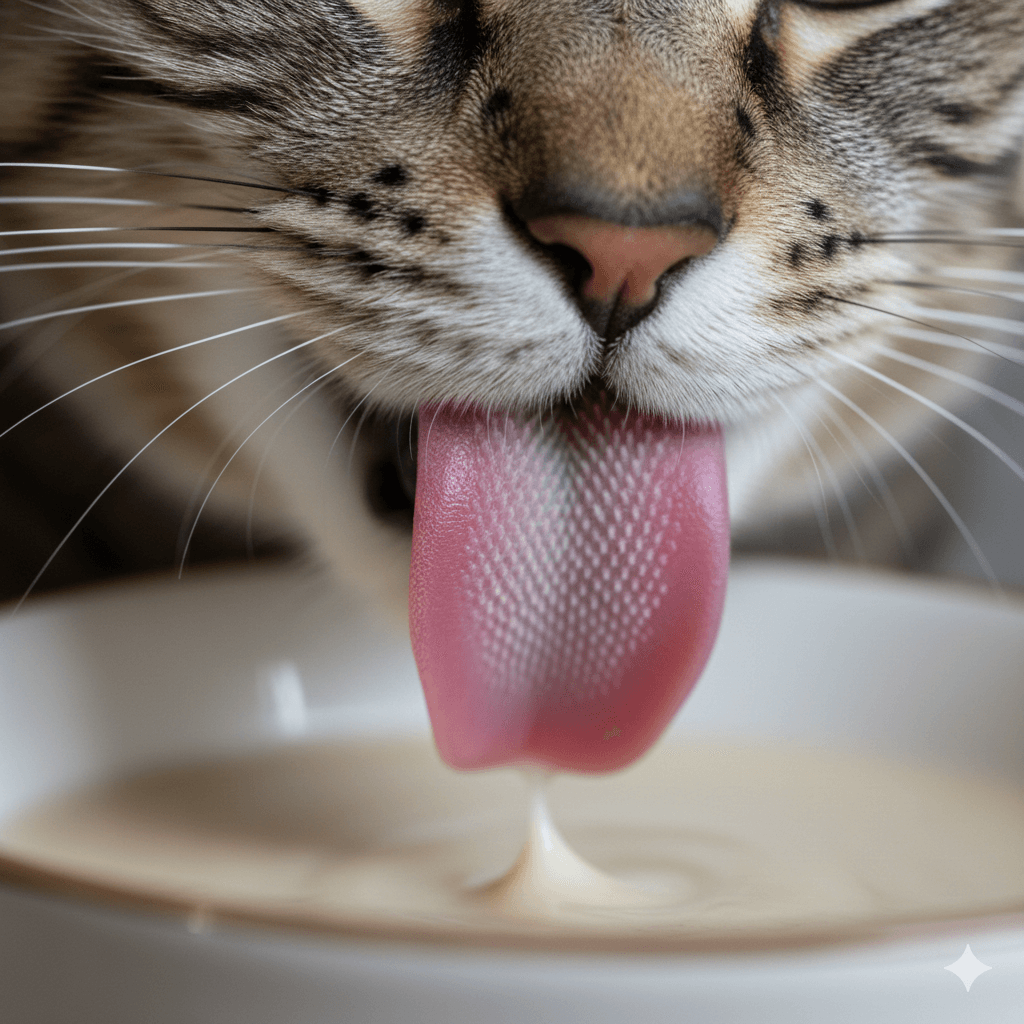
Understanding Cat Bronchitis: A Guide to Your Feline’s Respiratory Health
When it comes to our furry companions, their health is always a top priority. Just like humans, cats can suffer from respiratory issues, and one such condition is cat bronchitis. This inflammatory condition affects the airways, making it difficult for your feline friend to breathe comfortably. If left untreated, bronchitis can lead to more severe complications. In this guide, we’ll explore everything you need to know about cat bronchitis, including its causes, symptoms, treatment options, and preventive measures. Let’s dive in to ensure your beloved pet stays happy and healthy!
What Causes Cat Bronchitis?
Cat bronchitis can stem from various factors, each contributing to inflammation in the airways. Below are some common causes of this condition:
Environmental Irritants
Dust, smoke, and strong odors can irritate your cat’s respiratory system.Allergies
Cats can develop allergies to pollen, mold, or even certain foods, triggering bronchial inflammation.Infections
Viral or bacterial infections can compromise the respiratory tract.Parasites
Lungworms or other parasites may invade the airways, causing irritation.Underlying Conditions
Chronic diseases like asthma or heart problems can predispose cats to bronchitis.
Understanding these triggers is essential for managing and preventing cat bronchitis. By minimizing exposure to potential irritants, you can help safeguard your cat’s respiratory health.
Recognizing the Symptoms of Cat Bronchitis
Identifying the signs of cat bronchitis early can make a significant difference in your pet’s recovery. Here are some common symptoms to watch out for:
Persistent Coughing
A dry, hacking cough is one of the hallmark signs of bronchitis.Wheezing
You might notice wheezing sounds when your cat breathes.Labored Breathing
Rapid or shallow breathing indicates respiratory distress.Lethargy
Cats with bronchitis often appear tired or less active than usual.Loss of Appetite
Difficulty breathing can make eating uncomfortable, leading to reduced food intake.
If you observe any of these symptoms, it’s crucial to consult your veterinarian promptly. Early intervention can prevent the condition from worsening and ensure your cat receives the care they need.
Check this guide 👉Understanding Solar Dermatitis in Cats: Best 7 Health Tips!
Check this guide 👉Understanding Cat Chronic Diarrhea: Best 7 Health Tips!
Check this guide 👉Understanding Cat Intestinal Blockage Symptoms: Best 7 Tips!
Symptoms to Watch For | Preventive Measures |
|---|---|
Persistent coughing | Keep your home free of dust and smoke |
Wheezing | Use an air purifier to reduce allergens |
Labored breathing | Schedule regular vet check-ups |
Lethargy | Avoid using strong perfumes or cleaners |
Loss of appetite | Provide a balanced, nutritious diet |
Treatment Options for Cat Bronchitis
Treating cat bronchitis involves addressing the underlying cause while alleviating symptoms. Below are some common approaches veterinarians recommend:
Medications
Anti-inflammatory drugs or bronchodilators may be prescribed to reduce swelling and open airways.Antibiotics
If a bacterial infection is present, antibiotics can help clear it up.Steroids
In severe cases, corticosteroids may be used to control inflammation.Oxygen Therapy
For cats experiencing severe breathing difficulties, supplemental oxygen may be necessary.Lifestyle Changes
Reducing exposure to irritants and maintaining a stress-free environment can aid recovery.
Each treatment plan is tailored to the individual cat’s needs. Always follow your vet’s advice for the best outcomes.
Preventing Cat Bronchitis: Tips for Pet Owners
Prevention is always better than cure, especially when it comes to your cat’s health. Here are some practical tips to minimize the risk of bronchitis:
Maintain a Clean Environment
Regularly clean your home to remove dust and allergens.Avoid Smoking Indoors
Secondhand smoke is a major irritant for cats’ sensitive lungs.Use Natural Cleaning Products
Harsh chemicals can trigger respiratory issues; opt for pet-safe alternatives.Monitor for Allergies
Keep an eye out for signs of allergic reactions and address them promptly.Schedule Routine Vet Visits
Early detection of respiratory issues can prevent them from escalating.
By taking these proactive steps, you can significantly reduce the likelihood of your cat developing bronchitis.
Understanding the Role of Diet in Managing Cat Bronchitis
A cat’s diet plays a crucial role in managing bronchitis and supporting overall respiratory health. Providing the right nutrition can help reduce inflammation and boost immunity. Consider the following dietary tips:
Omega-3 Fatty Acids
Found in fish oil, these healthy fats have anti-inflammatory properties that may benefit cats with bronchitis.Hydration is Key
Ensure your cat has access to fresh water at all times to keep their airways hydrated.Avoid Processed Foods
Highly processed pet foods may contain additives that exacerbate respiratory issues.Include Antioxidant-Rich Foods
Foods like blueberries or green veggies (if your cat tolerates them) can support lung health.Consult Your Vet About Supplements
Some supplements, like probiotics or vitamins, may aid in respiratory recovery.
By tailoring your cat’s diet to their specific needs, you can support their respiratory system and improve their quality of life. Always consult your veterinarian before making significant dietary changes.
How Stress Impacts Cat Bronchitis
Stress can worsen bronchitis symptoms in cats, as it weakens their immune system and increases inflammation. Reducing stress is essential for managing this condition effectively. Here’s how you can create a calming environment for your feline friend:
Provide a Safe Space
Designate a quiet area where your cat can retreat when feeling overwhelmed.Stick to a Routine
Cats thrive on predictability; maintain consistent feeding and playtimes.Minimize Loud Noises
Sudden or loud sounds can startle your cat and trigger stress responses.Use Calming Products
Pheromone diffusers or calming sprays can help soothe anxious cats.Engage in Gentle Play
Interactive toys can distract your cat from stressors and keep them entertained.
Reducing stress not only helps manage bronchitis but also enhances your cat’s overall well-being. A peaceful environment is key to their recovery.
When to Seek Emergency Care for Your Cat
While mild cases of bronchitis can often be managed at home, certain symptoms require immediate veterinary attention. Knowing when to seek emergency care can save your cat’s life. Watch out for the following red flags:
Blue Gums or Tongue
This indicates a lack of oxygen and requires urgent medical intervention.Open-Mouth Breathing
Cats typically breathe through their noses; open-mouth breathing is a serious sign.Collapse or Weakness
If your cat seems unable to stand or move, it’s a critical situation.Rapid Breathing That Doesn’t Improve
Persistent labored breathing despite rest is a cause for concern.Sudden Worsening of Symptoms
Any drastic change in your cat’s condition should not be ignored.
Recognizing these signs early can make all the difference in your cat’s prognosis. Always err on the side of caution and contact your vet if you’re unsure.
Frequently Asked Questions About Cat Bronchitis
What is cat bronchitis?
Cat bronchitis is an inflammatory condition affecting the airways, leading to difficulty breathing.
Can cat bronchitis be cured?
While there’s no definitive cure, proper management and treatment can alleviate symptoms and improve quality of life.
Is cat bronchitis contagious?
No, bronchitis itself is not contagious, but underlying infections that cause it may be.
How long does treatment take?
Treatment duration varies depending on the severity of the condition and the cat’s response to therapy.
What should I do if my cat has trouble breathing?
Seek immediate veterinary care, as breathing difficulties can indicate a serious issue.
Prioritizing Your Cat’s Respiratory Health
Cat bronchitis may seem daunting, but with the right knowledge and care, you can help your feline companion lead a comfortable and fulfilling life. From understanding the causes and recognizing symptoms to exploring treatment options and preventive measures, every step you take contributes to your pet’s well-being. Remember, your veterinarian is your greatest ally in managing this condition. By staying vigilant and proactive, you can ensure your cat enjoys many happy, healthy years by your side. After all, their purrs are worth every effort!
Do Cats Have Taste Buds? Best 7 Expert Tips! – Discover how cats experience flavors and why their taste is so unique.

Do Dogs Have Taste Buds? Best 7 Expert Tips! – Discover how dogs experience taste, their preferences, and what it means for their diet and health.

Can Cats Taste Sweet? Best 7 Expert Tips! – Discover why cats can’t taste sweetness, how it affects their diet, and tips to keep them healthy and happy.

Can Dogs Taste Sweet? Best 7 Expert Tips! – Discover how dogs perceive sweetness, which foods are safe, and tips to manage their sweet cravings responsibly.