
Understanding Solar Dermatitis in Cats: Best 7 Health Tips!

Understanding Solar Dermatitis in Cats: Best 7 Health Tips!

Understanding Solar Dermatitis in Cats: A Guide for Pet Owners


As the sun graces our skies, it brings warmth and vitality to our lives. However, for some cats, prolonged exposure to sunlight can lead to a condition known as solar dermatitis. This skin ailment is not only uncomfortable but can also progress into more serious health issues if left untreated. In this blog post, we will explore what solar dermatitis is, how it affects our feline companions, and what you can do to protect your cat from its harmful effects. Whether you’re a seasoned cat owner or new to the world of pet care, this guide will equip you with the knowledge you need to keep your furry friend safe and healthy.

What Causes Solar Dermatitis in Cats?


Solar dermatitis occurs when a cat’s skin becomes overly sensitive to ultraviolet (UV) rays from the sun. While all cats are susceptible to this condition, certain factors increase the risk. Below, we outline the primary causes of solar dermatitis:

 
  • Lack of Pigmentation: Cats with white or light-colored fur are more prone to solar dermatitis because their skin lacks melanin, which provides natural protection against UV rays.

     
  • Thin or Sparse Fur: Areas of the body with thin or sparse fur, such as the ears, nose, and eyelids, are particularly vulnerable to sun damage.

     
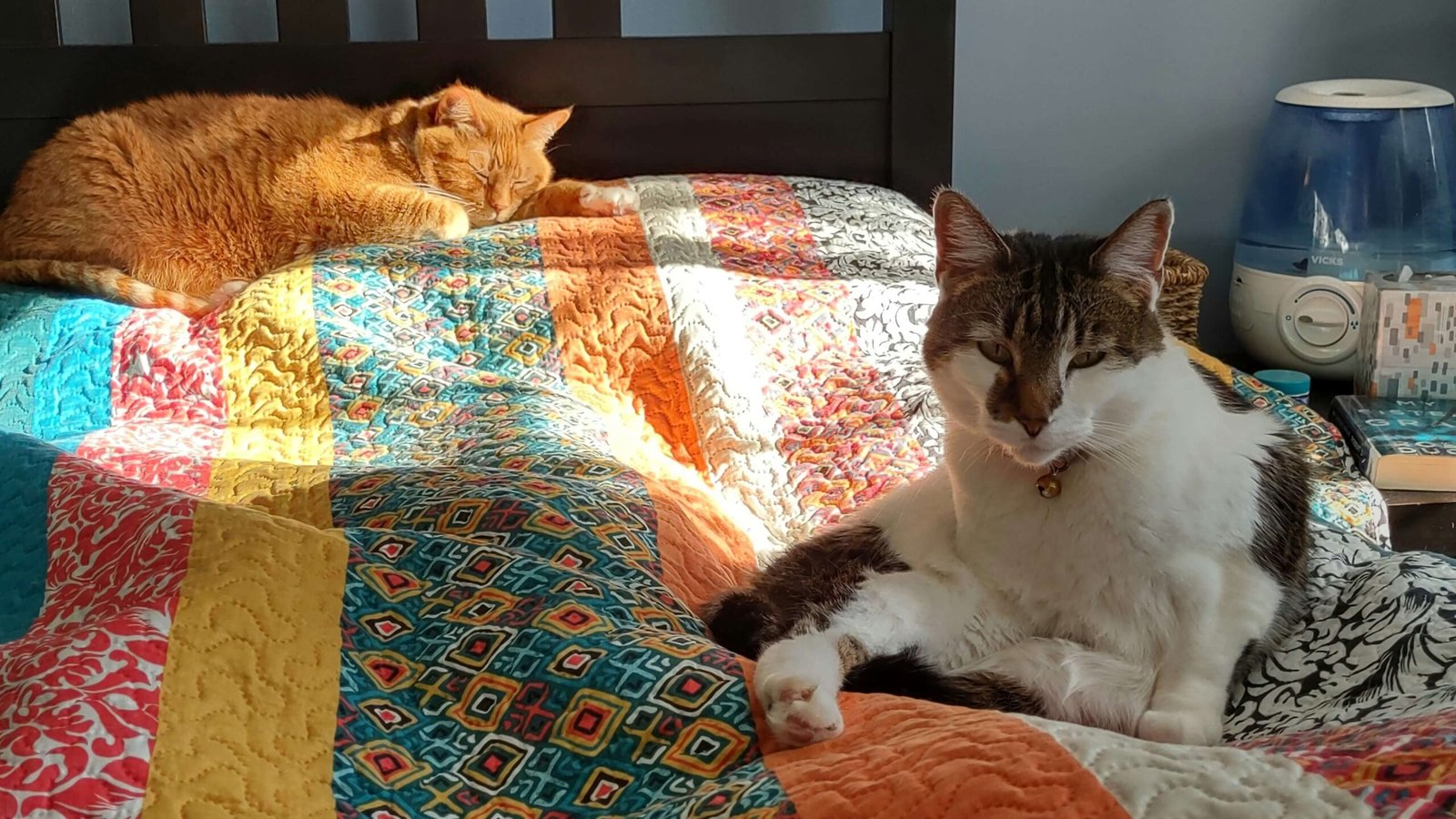
  • Prolonged Sun Exposure: Cats that spend extended periods outdoors or bask in sunny windowsills are at higher risk of developing solar dermatitis.

     
  • Geographical Location: Cats living in regions with intense sunlight or high altitudes face greater exposure to harmful UV rays.

     
  • Pre-existing Skin Conditions: Cats with existing skin sensitivities or allergies may experience exacerbated symptoms when exposed to sunlight.


Understanding these risk factors is crucial for identifying whether your cat is vulnerable to solar dermatitis. By recognizing the signs early, you can take proactive steps to prevent further complications.

Recognizing the Symptoms of Solar Dermatitis


Early detection of solar dermatitis is essential for effective treatment. Keep an eye out for these common symptoms, especially if your cat spends time in the sun:

 
  • Redness and Inflammation: The affected areas may appear red, swollen, or irritated. These are often the first signs of sun damage.

     
  • Hair Loss: Patches of hair loss may occur in areas exposed to sunlight, such as the ears or nose.

     
  • Crusting or Scabbing: As the condition progresses, the skin may develop crusty patches or scabs, indicating deeper tissue damage.

     
  • Itching and Discomfort: Cats may scratch, lick, or rub the affected areas due to irritation, leading to further skin damage.

     
  • Ulcerations: In severe cases, solar dermatitis can cause open sores or ulcers, which require immediate veterinary attention.


If you notice any of these symptoms, it’s important to consult your veterinarian promptly. Early intervention can prevent the condition from worsening and ensure your cat’s comfort.

Understanding Solar Dermatitis in Cats: Best 7 Health Tips!
Preventive Measures
Treatment Options
Limit sun exposure during peak hours
Topical corticosteroids for inflammation
Use pet-safe sunscreen
Antibiotics for secondary infections
Provide shaded outdoor spaces
Pain relief medications
Install UV-blocking window films
Surgical removal of advanced lesions
Regular vet check-ups
Dietary supplements for skin health

Preventing Solar Dermatitis in Cats


Prevention is always better than cure, especially when it comes to solar dermatitis. Here are some actionable tips to safeguard your cat from harmful UV rays:

 
  • Limit Outdoor Time: Restrict your cat’s outdoor activities during peak sunlight hours (10 a.m. to 4 p.m.).

     
  • Create Shaded Areas: If your cat enjoys being outside, ensure there are shaded spots where they can relax away from direct sunlight.

     
  • Use Pet-Safe Sunscreen: Apply a veterinarian-approved sunscreen to vulnerable areas like the ears and nose before sun exposure.

     
  • Block UV Rays Indoors: Install UV-blocking films on windows where your cat likes to lounge.

     
  • Monitor Skin Health: Regularly inspect your cat’s skin for any changes or signs of irritation, especially in sun-exposed areas.


By implementing these preventive measures, you can significantly reduce the risk of solar dermatitis and keep your cat’s skin healthy and protected.

When to Seek Veterinary Care


While mild cases of solar dermatitis can be managed at home, certain situations warrant professional intervention. Here’s when you should contact your veterinarian:

 
  • Persistent Symptoms: If redness, swelling, or crusting does not improve within a few days, seek medical advice.

     
  • Open Sores or Ulcers: Any sign of open wounds or bleeding requires immediate attention to prevent infection.

     
  • Behavioral Changes: Lethargy, loss of appetite, or excessive grooming may indicate underlying pain or discomfort.

     
  • Recurrent Episodes: Frequent flare-ups of solar dermatitis could signal an underlying issue that needs diagnosis.

     
  • Advanced Lesions: Thickened or discolored skin may indicate precancerous changes, necessitating urgent care.


Timely veterinary care can make all the difference in managing solar dermatitis effectively and ensuring your cat’s long-term well-being.

Home Remedies for Mild Solar Dermatitis

While veterinary care is essential for severe cases, mild solar dermatitis can sometimes be managed at home. However, it’s important to proceed with caution and consult your vet before trying any remedies. Here are some safe and effective options:

 
  • Aloe Vera Gel: Apply a small amount of pure, pet-safe aloe vera gel to soothe inflamed skin. Ensure the product contains no added fragrances or alcohol.

     
  • Cool Compresses: Use a clean cloth soaked in cool water to gently reduce swelling and irritation in affected areas.

     
  • Oatmeal Baths: A diluted oatmeal solution can provide relief from itching and discomfort. Make sure the water is lukewarm to avoid further irritation.

     
  • Coconut Oil: A small dab of virgin coconut oil may help moisturize dry, damaged skin. Always use sparingly to prevent greasiness.

     
  • Hydration Support: Ensure your cat has access to plenty of fresh water to support overall skin health and recovery.


While these remedies can offer temporary relief, they are not substitutes for professional treatment. If symptoms persist or worsen, seek veterinary advice promptly.

Dietary Adjustments to Support Skin Health

A balanced diet plays a crucial role in maintaining your cat’s skin health and boosting their natural defenses against conditions like solar dermatitis. Here are some dietary adjustments that can make a difference:

 
  • Omega-3 Fatty Acids: Incorporate foods rich in omega-3s, such as fish oil supplements, to reduce inflammation and promote healthy skin.

     
  • Antioxidant-Rich Foods: Include ingredients like blueberries or spinach, which can help combat oxidative stress and support skin repair.

     
  • High-Quality Protein: Ensure your cat’s diet includes high-quality protein sources to aid tissue regeneration and maintain skin elasticity.

     
  • Vitamin E Supplements: This vitamin is known for its skin-healing properties and can be added to your cat’s meals in moderation.

     
  • Hydration-Focused Diets: Wet food or hydration-enhancing diets can improve skin moisture levels and prevent dryness.


By making these dietary changes, you can strengthen your cat’s skin barrier and reduce the likelihood of solar dermatitis flare-ups. Always consult your veterinarian before introducing new supplements or foods.

Creating a Sun-Safe Environment for Your Cat

Protecting your cat from harmful UV rays starts with creating a sun-safe environment both indoors and outdoors. These steps can help minimize exposure while still allowing your cat to enjoy their surroundings:

 
  • UV-Blocking Window Films: Install transparent films on windows to filter out harmful UV rays without blocking natural light.

     
  • Shaded Outdoor Spaces: Set up pergolas, umbrellas, or fabric shades in your yard to provide your cat with safe outdoor lounging areas.

     
  • Indoor Play Areas: Designate sun-free zones in your home where your cat can play and relax without risking overexposure.

     
  • Timed Access to Windows: Use automated blinds or curtains to limit your cat’s access to sunny windows during peak hours.

     
  • Sunscreen Application Routines: Establish a consistent routine for applying pet-safe sunscreen, especially during warmer months.


By implementing these strategies, you can create a safer environment that minimizes the risk of solar dermatitis while keeping your cat happy and comfortable. Remember, small changes can have a big impact on your cat’s well-being.

FAQ

Can indoor cats develop solar dermatitis?

Yes, indoor cats can develop solar dermatitis if they spend significant time near sunny windows without UV protection.

Yes, the condition can cause itching, irritation, and discomfort, especially if it progresses to ulcerations.

Look for redness, hair loss, crusting, or scabbing in sun-exposed areas like the ears and nose.


Cats with white or light-colored fur, such as Siamese or Devon Rex, are more susceptible due to reduced pigmentation.

Yes, chronic solar dermatitis can increase the risk of squamous cell carcinoma, a type of skin cancer.

Protecting Your Cat from Solar Dermatitis


Solar dermatitis is a manageable condition, but prevention and early intervention are key to ensuring your cat’s health and happiness. By understanding the causes, recognizing the symptoms, and taking preventive measures, you can shield your feline companion from the harmful effects of UV rays. Remember, your cat relies on you to provide a safe and nurturing environment. With the right care and attention, you can help them enjoy the sunshine safely while minimizing the risks associated with solar dermatitis. Stay vigilant, and always prioritize your pet’s well-being—it’s the ultimate gift you can give them.

Do Cats Have Taste Buds? Best 7 Expert Tips!

Do Cats Have Taste Buds? Best 7 Expert Tips! – Discover how cats experience flavors and why their taste is so unique.
Do Dogs Have Taste Buds? Best 7 Expert Tips!

Do Dogs Have Taste Buds? Best 7 Expert Tips! – Discover how dogs experience taste, their preferences, and what it means for their diet and health.
Can Cats Taste Sweet? Best 7 Expert Tips!

Can Cats Taste Sweet? Best 7 Expert Tips! – Discover why cats can’t taste sweetness, how it affects their diet, and tips to keep them healthy and happy.

Can Dogs Taste Sweet? Best 7 Expert Tips!

Can Dogs Taste Sweet? Best 7 Expert Tips! – Discover how dogs perceive sweetness, which foods are safe, and tips to manage their sweet cravings responsibly.

Leave a Reply

Your email address will not be published. Required fields are marked *

Recent Post

Post Category