



Understanding Cat in Pain Posture
Cats are masters of hiding their pain, a survival instinct that dates back to their wild ancestors. However, when a cat is truly in discomfort, it often manifests in subtle changes in posture or behavior. Recognizing these signs is crucial for identifying when your feline friend might be suffering and needs help. One of the most telling indicators of pain in cats is their posture—how they position their body, move, or even lie down can reveal a lot about their well-being. In this blog post, we’ll explore what a “cat in pain posture” looks like, how to identify it, and what steps you should take to ensure your furry companion receives the care they need.
Common Signs of Pain Through Posture
When a cat is in pain, their posture often changes in noticeable ways. These changes can vary depending on the type and severity of the discomfort. Here’s what to look for:
Hunched Back : A cat with a hunched posture may be trying to protect their abdomen or internal organs.
Tucked Tail : A tail tucked tightly against the body can indicate fear, anxiety, or pain.
Lying Abnormally Flat : Cats in pain may lie flat on their side or stretch out unnaturally instead of curling up comfortably.
Avoiding Movement : A cat that remains in one position for long periods or avoids getting up might be in pain.
Head Lowered : Keeping their head low to the ground can signal weakness or discomfort.
These postural changes are subtle but significant clues that something might be wrong with your cat. Always investigate further if you notice any of these signs.
Behavioral Changes That Accompany Painful Postures
In addition to changes in posture, cats in pain often exhibit behavioral shifts that can help you confirm your suspicions. Here’s what to watch for:
Decreased Activity : A once-active cat becoming lethargic or reluctant to play could be a sign of pain.
Aggression or Irritability : Pain can make cats more defensive, leading to growling, hissing, or swatting.
Loss of Appetite : Refusal to eat or drink is a common indicator of discomfort or illness.
Excessive Grooming : Over-grooming a specific area may suggest localized pain or irritation.
Hiding Behavior : Cats in pain often retreat to quiet, secluded areas to avoid interaction.
Behavioral changes combined with unusual postures provide strong evidence that your cat may need veterinary attention.
Check this guide 👉When Your Cat is Limping but Still Jumping: Best 7 Tips!
Check this guide 👉Can Cats Get Colds? Best 7 Health Tips!
Signs of Pain in Cats | What You Should Do |
|---|---|
Hunched back or tucked tail | Monitor closely and consult your vet |
Lying abnormally flat or rigid | Check for other symptoms like limping |
Decreased activity or lethargy | Encourage gentle movement; seek advice |
Aggression or irritability | Approach carefully and avoid handling |
Loss of appetite or excessive grooming | Offer favorite foods; schedule a checkup |
Causes of Painful Postures in Cats
Understanding the potential causes of painful postures can help you address the root issue. Here are some common reasons why your cat might adopt a painful posture:
Injury : Sprains, fractures, or wounds can cause localized pain and affect posture.
Arthritis : Joint inflammation leads to stiffness and difficulty moving comfortably.
Dental Issues : Toothaches or gum infections can cause facial pain and altered posture.
Abdominal Pain : Conditions like constipation, urinary blockages, or gastrointestinal issues can lead to a hunched stance.
Infections or Illnesses : Systemic illnesses like kidney disease or infections can cause widespread discomfort.
Identifying the underlying cause is essential for providing effective treatment and relief for your cat.
How to Help Your Cat When They’re in Pain
If you suspect your cat is in pain, there are several steps you can take to support them while seeking professional help. Here’s what to do:
Provide a Quiet Space : Create a calm, comfortable environment where your cat can rest undisturbed.
Limit Handling : Avoid picking up or touching areas that seem sensitive to prevent further discomfort.
Offer Soft Bedding : Ensure your cat has access to soft, supportive surfaces for lying down.
Monitor Eating and Drinking : Encourage hydration and nutrition by offering their favorite foods.
Consult a Veterinarian : Schedule an appointment as soon as possible for a thorough examination and diagnosis.
Taking these steps ensures your cat feels safe and supported while you work with your vet to address their pain.
Preventive Measures to Reduce Pain in Cats
Preventing pain in cats is always better than treating it after it occurs. Here are some proactive steps you can take to minimize the risk of your cat experiencing discomfort:
Regular Vet Checkups : Schedule annual or biannual visits to catch potential issues early.
Maintain a Healthy Weight : Obesity can lead to joint pain and other health problems, so ensure your cat stays at a healthy weight.
Provide Enrichment : Mental and physical stimulation helps reduce stress and prevent behavioral issues that may lead to pain.
Safe Environment : Remove hazards like sharp objects, toxic plants, or high ledges to prevent injuries.
Dental Care : Brush your cat’s teeth regularly or provide dental treats to prevent painful oral conditions.
By taking these preventive measures, you can help your cat live a longer, healthier, and pain-free life.
How to Comfort a Cat Showing Signs of Pain
When your cat is in pain, providing comfort is essential to help them feel secure and supported. Here’s how you can make them more comfortable:
Create a Cozy Space : Provide a quiet, warm area with soft bedding where your cat can rest undisturbed.
Limit Stressors : Avoid loud noises, unfamiliar guests, or sudden changes in their environment.
Use Calming Aids : Consider pheromone diffusers or calming sprays to soothe your cat’s nerves.
Offer Gentle Interaction : Speak softly and stroke areas that aren’t sensitive to show affection without causing discomfort.
Monitor Closely : Keep an eye on their condition and note any changes to report to your vet.
By focusing on comfort and reassurance, you can help your cat feel safer while they recover from pain or await veterinary care.
When to Seek Emergency Veterinary Care
While some signs of pain can wait for a routine vet visit, others require immediate attention. Here’s when you should seek emergency care for your cat:
Difficulty Breathing : Labored or rapid breathing can indicate a serious underlying issue.
Inability to Move : If your cat is paralyzed or unable to stand, this could be a sign of spinal injury or poisoning.
Severe Limping : A sudden inability to use a limb may suggest a fracture or dislocation.
Excessive Vocalization : Continuous crying or yowling often signals acute pain or distress.
Swelling or Bleeding : Visible swelling, open wounds, or uncontrolled bleeding require urgent treatment.
Knowing when to act quickly can make all the difference in ensuring your cat receives the care they need to recover fully.
Frequently Asked Questions About Cat in Pain Posture
How can I tell if my cat is in pain?
Look for changes in posture, behavior, or activity levels, such as a hunched back, lethargy, or aggression.
Can cats hide pain effectively?
Yes, cats are experts at masking pain, so subtle signs like posture changes are important to notice.
What should I do if my cat is lying flat and not moving?
This could indicate severe pain or illness; contact your veterinarian immediately.
Are certain breeds more prone to pain-related issues?
Some breeds, like Persians or Maine Coons, may be more susceptible to conditions like arthritis or dental problems.
Is it normal for an older cat to change posture?
While aging can cause changes, sudden or extreme posture shifts warrant a vet visit to rule out pain or illness.
Supporting Your Cat Through Pain
Recognizing a “cat in pain posture” is the first step toward ensuring your feline friend receives the care they need. By paying close attention to their body language, behavior, and overall well-being, you can identify signs of discomfort early and take action. Remember, cats rely on us to advocate for their health, so trust your instincts and seek veterinary advice whenever you suspect something is wrong. With love, patience, and proper care, you can help your cat feel better and return to their happy, playful self.
How to Taper Off Prednisone for Cats: Best 7 Expert Tips! – Safely reduce prednisone with vet guidance. Learn now!
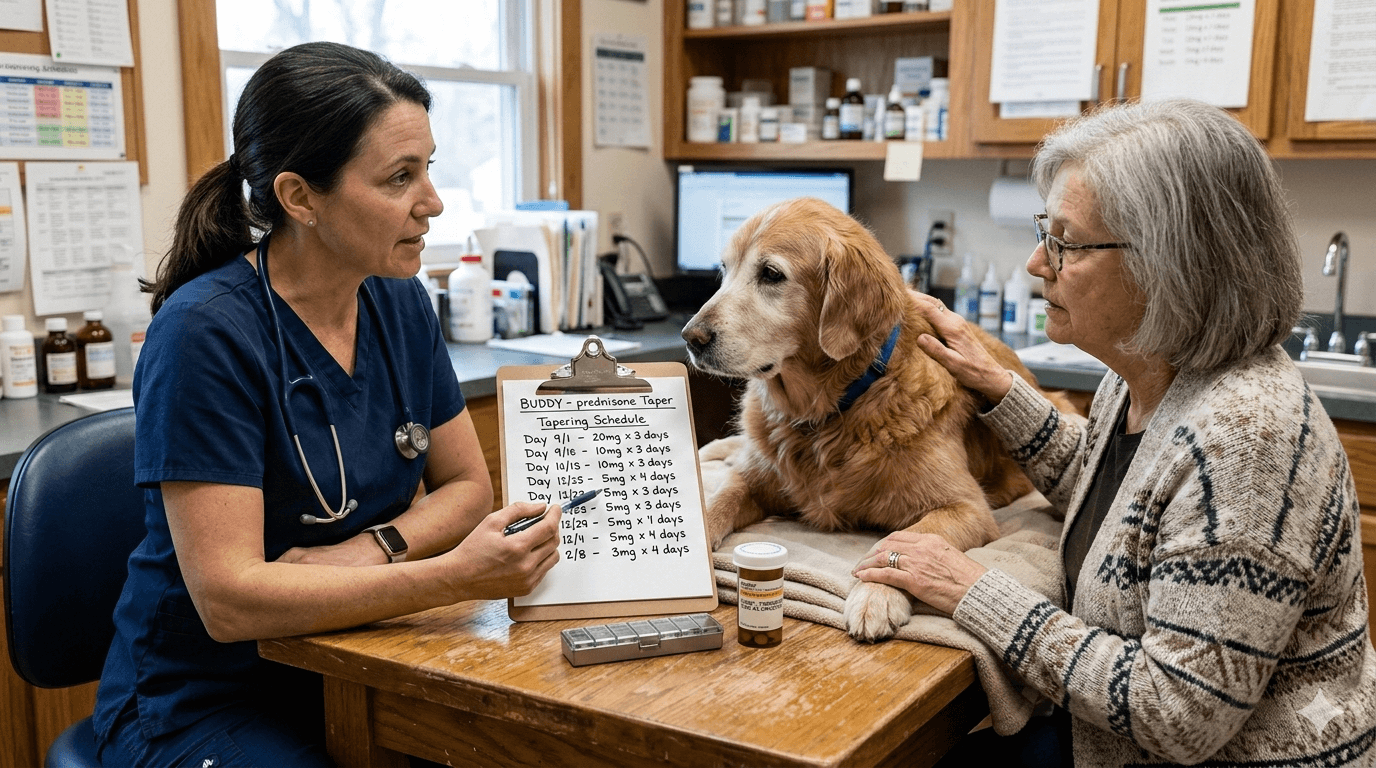
How to Taper Off Prednisone Schedule for Dogs: Best 7 Tips! – Learn the safe way to reduce prednisone, recognize withdrawal signs, and keep your dog healthy during the process.

Can a Cat Scratch Give You Rabies? Best 7 Expert Tips! – Learn how rabies spreads, assess risks from cat scratches, and know when to seek medical help. Stay safe!

Can a Dog Scratch Give You Rabies? Best 7 Expert Tips! – Learn the risks, symptoms, and steps to take if scratched by a dog. Stay informed and protect yourself from rabies exposure.