
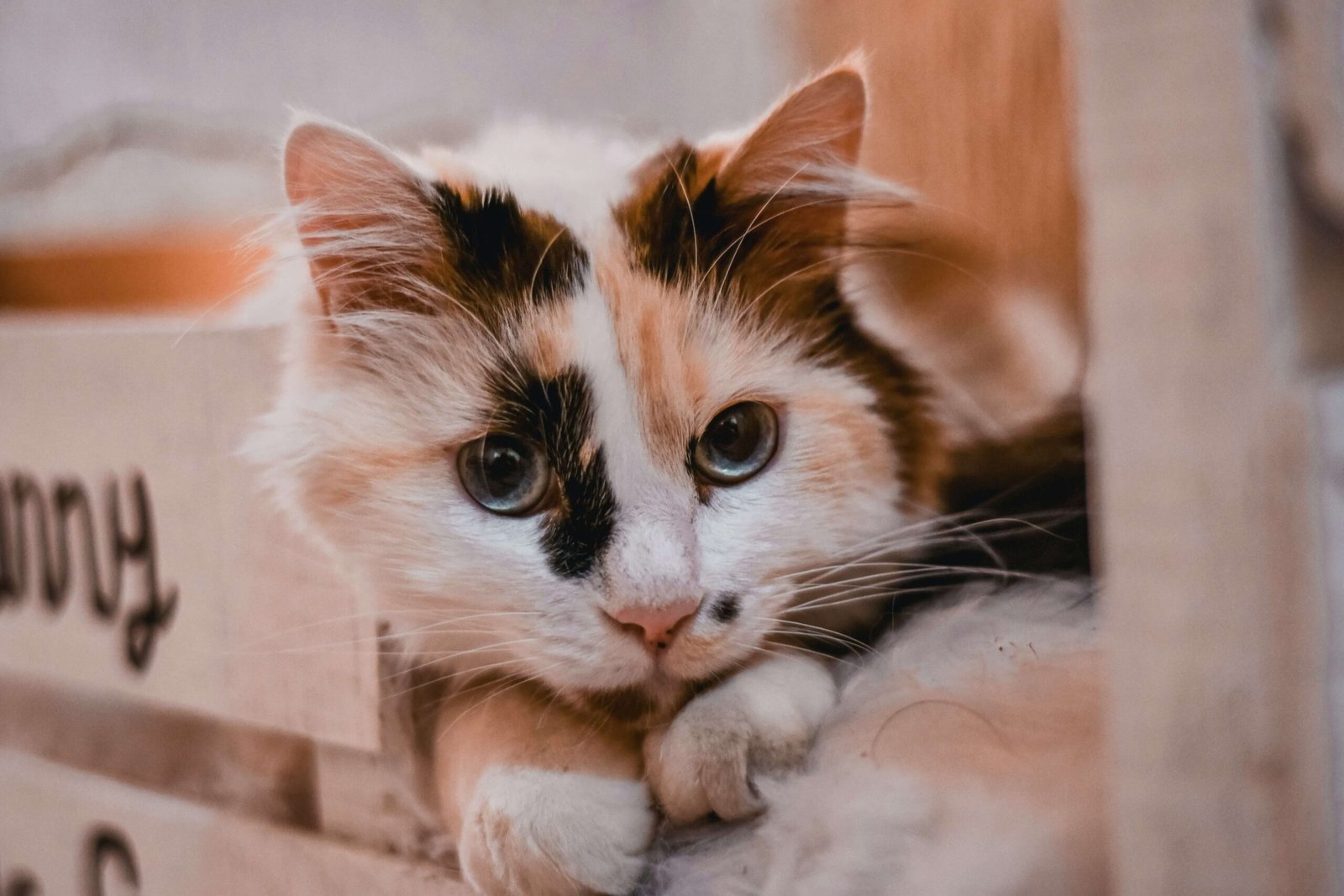


Why Is My Cat So Jumpy? Best 7 Expert Tips!

Why Is My Cat So Jumpy? Best 7 Expert Tips!

Why Is My Cat So Jumpy?

Cats are known for their graceful and calm demeanor, but sometimes they can seem unusually jumpy or skittish. If your feline friend is startling at every sound or movement, it’s natural to wonder what’s causing this behavior. While some jumpiness is normal due to their innate instincts, excessive nervousness could indicate underlying issues—whether physical, environmental, or emotional. Understanding the reasons behind your cat’s jumpiness is the first step toward helping them feel more secure and relaxed. In this blog post, we’ll explore why cats get jumpy, how to identify triggers, and practical tips to soothe your furry companion.

Common Reasons Why Cats Get Jumpy

There are several reasons why your cat might be more jumpy than usual. Here are some of the most common causes:

 
  • Heightened Instincts : Cats are naturally alert predators, and even small sounds can trigger their fight-or-flight response.

  • Past Trauma : A history of abuse, neglect, or frightening experiences can make a cat more sensitive to stimuli.

  • Loud Noises : Sudden or unfamiliar sounds like thunder, fireworks, or vacuum cleaners can startle your cat.

  • Health Issues : Pain, discomfort, or illnesses such as hyperthyroidism can make cats more reactive to their surroundings.

  • Environmental Changes : Moving homes, new family members, or rearranged furniture can disrupt your cat’s sense of security.


By identifying the root cause of your cat’s jumpiness, you can take steps to address the issue and create a calmer environment for them.

Signs Your Cat May Be Stressed or Anxious

Jumpiness often stems from stress or anxiety, which can manifest in various ways. Here are some signs that your cat may be feeling overwhelmed:

 
  • Excessive Hiding : Spending long periods hiding under furniture or in secluded spots.

  • Overgrooming : Licking or chewing their fur excessively, leading to bald patches or skin irritation.

  • Aggression : Growling, hissing, or swatting when approached, even by familiar people or pets.

  • Changes in Appetite : Eating significantly less or refusing food altogether.

  • Restlessness : Pacing, meowing loudly, or appearing unable to settle down.


Recognizing these signs early can help you intervene and provide your cat with the support they need to feel safe again.

Why Is My Cat So Jumpy? Best 7 Expert Tips!
Ways to Calm a Jumpy Cat
Things to Avoid When Dealing with Jumpiness
Provide safe spaces like cozy hideaways
Making loud noises or sudden movements
Use calming pheromone diffusers
Forcing interaction when your cat is scared
Stick to a consistent daily routine
Ignoring signs of stress or fear
Offer interactive toys for mental stimulation
Introducing too many changes at once
Reward calm behavior with treats or praise
Punishing your cat for being jumpy

Practical Tips to Help Your Cat Feel More Secure

If your cat is jumpy, there are several strategies you can use to help them feel safer and more relaxed. Here are some practical tips:

 
  • Create Safe Spaces : Set up quiet areas where your cat can retreat when they feel overwhelmed.

  • Use Calming Products : Consider using pheromone sprays or diffusers designed to reduce feline anxiety.

  • Minimize Loud Noises : Avoid activities that produce sudden or loud sounds, especially in confined spaces.

  • Desensitize Gradually : Slowly expose your cat to triggers in a controlled way to reduce their fear over time.

  • Consult a Vet : If your cat’s jumpiness persists, seek professional advice to rule out underlying health issues.


By implementing these strategies, you can help your cat regain their confidence and reduce their tendency to startle easily.

Natural Remedies to Calm a Jumpy Cat

If you prefer natural solutions, there are several remedies that can help soothe your cat’s nerves. Here are some options to consider:

 
  • Herbal Supplements : Ingredients like chamomile or valerian root can promote relaxation in cats.

  • CBD Oil : Non-psychoactive CBD oil has shown promise in reducing anxiety in pets.

  • Music Therapy : Playing soft, classical music can help drown out startling noises and create a calming atmosphere.

  • Aromatherapy : Certain scents, like lavender (used safely), may have a soothing effect on cats.

  • Interactive Play : Engaging your cat in play sessions with toys can help burn off excess energy and reduce stress.


While these remedies can be effective, always consult your vet before introducing new treatments to ensure they’re safe for your cat.

How to Identify Triggers for Your Cat’s Jumpiness

Understanding what triggers your cat’s jumpiness is essential for addressing the root cause of their behavior. Here are some ways to identify potential triggers:

 
  • Observe Patterns : Take note of when and where your cat gets jumpy—this can reveal consistent triggers.

  • Monitor Reactions to Sounds : Pay attention to how your cat reacts to loud noises like doorbells, appliances, or outdoor sounds.

  • Track Changes in Environment : Note if jumpiness occurs after moving furniture, introducing new pets, or other household changes.

  • Watch for Social Cues : Observe how your cat interacts with strangers, other animals, or unfamiliar objects.

  • Keep a Behavior Journal : Document your cat’s reactions daily to spot trends or recurring stressors over time.


By identifying these triggers, you’ll be better equipped to address the underlying causes of your cat’s jumpiness and prevent future incidents.

Building Confidence in a Jumpy Cat

Helping your cat build confidence can significantly reduce their tendency to be jumpy. Here are some strategies to boost your cat’s self-assurance:

 
  • Start with Positive Reinforcement : Reward calm behavior with treats, praise, or affection to encourage relaxation.

  • Encourage Exploration : Allow your cat to explore new environments at their own pace to build resilience.

  • Introduce New Experiences Gradually : Slowly expose your cat to new people, pets, or objects in a controlled manner.

  • Create Predictable Routines : Stick to consistent feeding, play, and grooming schedules to provide stability.

  • Celebrate Small Wins : Acknowledge and reward incremental progress to encourage continued improvement.


Building confidence takes time, but with patience and consistency, your cat will become more comfortable and less reactive to stressors.

Long-Term Strategies for Managing a Jumpy Cat

While immediate solutions are helpful, long-term strategies are essential for sustained progress in managing your cat’s jumpiness. Here’s how to create a lasting impact:

 
  • Provide Enrichment Activities : Puzzle toys, scratching posts, and climbing structures keep your cat mentally and physically engaged.

  • Prioritize Regular Playtime : Daily interactive play sessions help burn off excess energy and reduce anxiety.

  • Use Calming Tools Regularly : Incorporate calming aids like pheromone diffusers or soothing music into your cat’s daily life.

  • Maintain a Stress-Free Environment : Minimize sudden changes, loud noises, and chaotic situations in your home.

  • Schedule Regular Vet Checkups : Ensure your cat’s jumpiness isn’t linked to underlying health issues that need treatment.


By implementing these long-term strategies, you’ll create an environment that supports your cat’s emotional well-being and minimizes jumpy behavior.

Frequently Asked Questions About Jumpy Cats

Why does my cat jump at every little noise?

Cats have heightened senses and instinctive reactions, making them more sensitive to sudden sounds or movements.

Yes, pain, discomfort, or illnesses like hyperthyroidism can contribute to increased jumpiness.

Look for signs like hiding, overgrooming, aggression, or changes in appetite and behavior.

No, punishment can increase fear and anxiety. Focus on creating a calm environment instead.


The timeline varies depending on the cause and the individual cat, but consistency and patience are key.

Helping Your Cat Overcome Jumpiness

Understanding why your cat is so jumpy is the first step toward helping them feel more secure and relaxed. By identifying triggers, creating a calm environment, and using proven techniques, you can reduce their anxiety and improve their overall well-being. Remember, every cat is unique, so tailor your approach to suit their individual needs. With love, patience, and support, your feline friend can overcome their jumpiness and enjoy a happier, stress-free life.

Is Rawhide Bad for Cats? Best 7 Expert Tips!

Is Rawhide Bad for Cats? Best 7 Expert Tips! – Discover the risks, safe alternatives, and expert advice to keep your feline friend healthy and happy.

Is Rawhide Bad for Dogs? Best 7 Expert Tips!

Is Rawhide Bad for Dogs? Best 7 Expert Tips! – Discover the risks, benefits, and safer alternatives to rawhides for your dog’s chewing needs.

Understanding Anorexia in Cats: Best 7 Expert Tips!

Understanding Anorexia in Cats: Best 7 Expert Tips! – Learn why cats stop eating, spot warning signs, and discover how to help your feline regain appetite safely.

Understanding Anorexia in Dogs: Best 7 Expert Tips!

Understanding Anorexia in Dogs: Best 7 Expert Tips! – Learn causes, symptoms, and solutions to help your dog regain appetite and stay healthy.

Leave a Reply

Your email address will not be published. Required fields are marked *