
Dog Sick 4 Days After Vaccination: What You Need to Know
Vaccinations are a crucial part of keeping your dog healthy and protected from serious diseases. However, it’s not uncommon for dogs to experience mild side effects after receiving their shots. If your dog becomes sick 4 days after vaccination, it can be concerning for any pet owner. While most reactions are mild and temporary, understanding the potential causes, symptoms, and when to seek veterinary help is essential. In this blog post, we’ll explore why your dog might feel unwell after vaccination, what signs to watch for, and how to support their recovery. By the end, you’ll have a clearer understanding of how to care for your furry friend during this time.
Common Side Effects of Vaccinations in Dogs
While vaccines are generally safe, some dogs may experience side effects, especially within the first few days after vaccination. Here are the most common reactions:
Lethargy : Your dog may seem unusually tired or less active than normal.
Mild Fever : A slight increase in body temperature is a typical immune response to the vaccine.
Soreness at Injection Site : Swelling or tenderness around the area where the shot was administered is common.
Loss of Appetite : Some dogs may eat less or skip a meal due to feeling unwell.
Mild Vomiting or Diarrhea : Gastrointestinal upset can occur as the body adjusts to the vaccine.
These side effects are usually short-lived and resolve on their own within a few days. However, if symptoms persist or worsen, it’s important to consult your veterinarian.
Signs Your Dog May Be Experiencing a Severe Reaction
While most vaccine reactions are mild, some dogs may experience more serious side effects that require immediate attention. Here’s what to look out for:
Persistent Vomiting or Diarrhea : Frequent episodes that last more than 24 hours can indicate a severe reaction.
Facial Swelling : Swelling around the face, eyes, or muzzle may suggest an allergic reaction.
Difficulty Breathing : Labored breathing or wheezing can be a sign of a life-threatening reaction.
Collapse or Weakness : Sudden lethargy or inability to stand requires urgent veterinary care.
Hives or Rash : Raised bumps on the skin can signal an allergic response to the vaccine.
If you notice any of these symptoms, contact your veterinarian immediately, as they may indicate a severe adverse reaction that needs prompt treatment.
Check this guide 👉Understanding the DAPP Dog Vaccine: Best 7 Expert Tips!
Check this guide 👉Why Did My Vaccinated Dog Get Parvo? Best 7 Expert Tips!
Check this guide 👉Understanding a Lump on Dog After Vaccine: Best 7 Tips!
Mild Vaccine Reactions | Severe Vaccine Reactions |
|---|---|
Lethargy | Persistent vomiting or diarrhea |
Mild fever | Facial swelling |
Soreness at injection site | Difficulty breathing |
Temporary loss of appetite | Collapse or weakness |
Mild gastrointestinal upset | Hives or rash |
How to Support Your Dog After Vaccination
Caring for your dog after vaccination can help ease discomfort and speed up recovery. Here are some tips to support your pup:
Provide a Quiet Space : Allow your dog to rest in a calm, comfortable environment to recover.
Offer Hydration : Ensure your dog has access to fresh water to stay hydrated, especially if they’re experiencing mild vomiting or diarrhea.
Monitor Symptoms : Keep a close eye on your dog’s behavior and health for the first few days after vaccination.
Avoid Overexertion : Limit physical activity to give your dog’s body time to adjust to the vaccine.
Comfort Them : Gentle petting or soothing words can help reassure your dog if they’re feeling unwell.
By taking these steps, you can help your dog recover more comfortably and reduce stress during this time.
When to Contact Your Veterinarian
Knowing when to seek professional help is crucial for ensuring your dog’s safety after vaccination. Here are situations where you should contact your vet:
Symptoms Last More Than 48 Hours : If your dog remains lethargic or unwell beyond this timeframe, it’s time to consult your veterinarian.
Severe Swelling or Pain : Significant swelling at the injection site or elsewhere on the body warrants immediate attention.
Behavioral Changes : Unusual aggression, confusion, or disorientation may indicate a more serious issue.
Refusal to Eat or Drink : Prolonged loss of appetite or dehydration can lead to further complications.
Signs of Allergic Reaction : Any indication of an allergic response, such as hives or difficulty breathing, requires emergency care.
Your veterinarian is your best resource for addressing concerns and ensuring your dog’s well-being after vaccination.
Preventive Measures to Minimize Vaccine Reactions
Taking steps to minimize the risk of adverse reactions can help ensure your dog has a smoother experience after vaccination. Here are some preventive measures you can take:
Provide a Calm Environment : Keep your dog relaxed before and after vaccination to reduce stress, which can exacerbate side effects.
Stay Hydrated : Ensure your dog drinks plenty of water in the days leading up to and following the vaccine.
Discuss Pre-Treatment Options : Ask your vet about pre-treatment with antihistamines or pain relievers if your dog has a history of reactions.
Avoid Overexertion : Limit strenuous activities like running or playing for at least 24-48 hours post-vaccination.
Monitor Allergies : If your dog has known allergies, inform your vet so they can tailor the vaccination protocol accordingly.
By implementing these measures, you can reduce the likelihood of adverse reactions and make the vaccination process safer for your dog.
Natural Ways to Support Your Dog’s Recovery
If your dog is feeling unwell after vaccination, natural remedies can provide gentle support during their recovery. Here are some safe options to consider:
Plain Pumpkin : Helps soothe an upset stomach and regulate digestion if your dog experiences diarrhea.
Bone Broth : A warm, hydrating treat that provides essential nutrients while being easy on the stomach.
Probiotics : Support gut health and restore beneficial bacteria disrupted by mild gastrointestinal upset.
Coconut Oil : Contains medium-chain triglycerides that can boost immunity and reduce inflammation.
Herbal Calming Aids : Ingredients like chamomile or valerian root can help ease anxiety and promote relaxation.
While these remedies can be helpful, always consult your veterinarian before introducing new treatments, especially for severe reactions.
How to Prepare for Your Dog’s Next Vaccination
Preparing for your dog’s next vaccination appointment can help reduce stress and minimize the risk of adverse reactions. Here’s how to get ready:
Review Vaccination History : Share your dog’s vaccination records with your vet to avoid unnecessary or duplicate shots.
Plan for Rest Time : Schedule the appointment on a day when you can monitor your dog closely afterward.
Pack Essentials : Bring water, a blanket, and your dog’s favorite toy to keep them comfortable during and after the visit.
Ask Questions : Discuss any concerns with your vet, including potential side effects and how to manage them.
Observe Behavior : Pay attention to how your dog reacts to vaccines in the past to identify patterns or recurring issues.
By preparing ahead of time, you can ensure a smoother experience for both you and your dog during their next vaccination.
Frequently Asked Questions About Dogs Getting Sick After Vaccination
Is it normal for my dog to be sick 4 days after vaccination?
Mild symptoms like lethargy or soreness are normal, but persistent or severe symptoms should be evaluated by a vet.
Can vaccines cause long-term illness in dogs?
Serious long-term effects are rare, but if you suspect a connection, consult your veterinarian for advice.
How long do vaccine side effects last in dogs?
Most side effects resolve within 24-48 hours, though some dogs may take slightly longer to recover.
Should I avoid vaccinating my dog if they’ve had reactions before?
Discuss your dog’s history with your vet; they may recommend pre-treatment or alternative protocols.
Can I give my dog medication for vaccine side effects?
Never give medication without consulting your vet, as some drugs may interfere with the vaccine’s effectiveness.
Keeping Your Dog Safe After Vaccination
While it’s unsettling to see your dog feeling unwell 4 days after vaccination, most reactions are mild and temporary. By understanding the potential side effects, monitoring your dog closely, and seeking veterinary care when needed, you can ensure their safety and comfort. Remember, vaccinations are an essential part of protecting your dog from serious diseases, and the benefits far outweigh the risks. With proper care and attention, your furry friend will bounce back quickly and continue to thrive. Always trust your instincts—if something feels off, don’t hesitate to reach out to your veterinarian for guidance.
Can I Give My Cat Midol? Best 7 Expert Tips! – Learn the risks, symptoms, and safe alternatives to keep your cat healthy and avoid toxic reactions.
Can I Give My Dog Midol? Best 7 Expert Tips! – Discover the risks, safe alternatives, and expert advice to keep your dog safe from accidental poisoning.
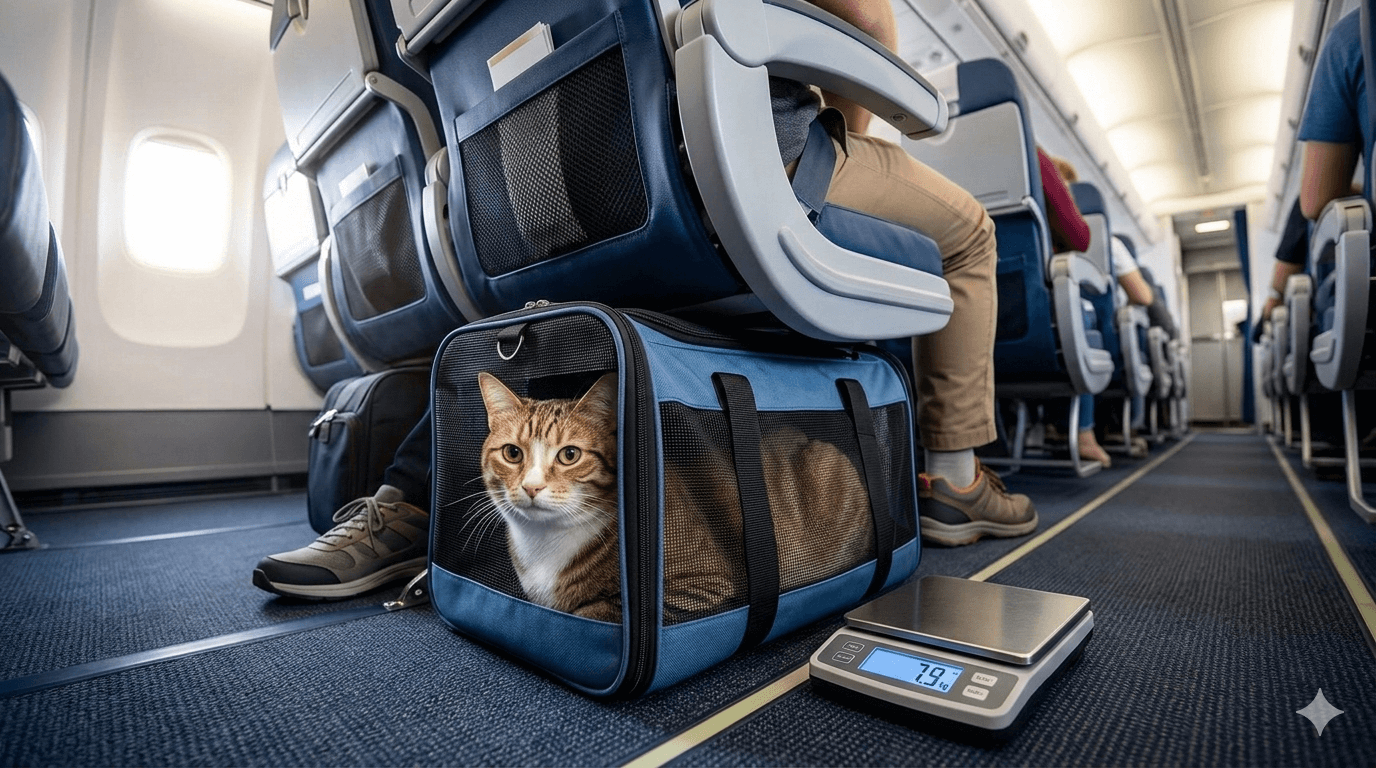
Maximum Weight for Cats on Planes: Best 7 Expert Tips! – Learn airline policies, tips to stay compliant, and ensure safe travels for your feline friend.
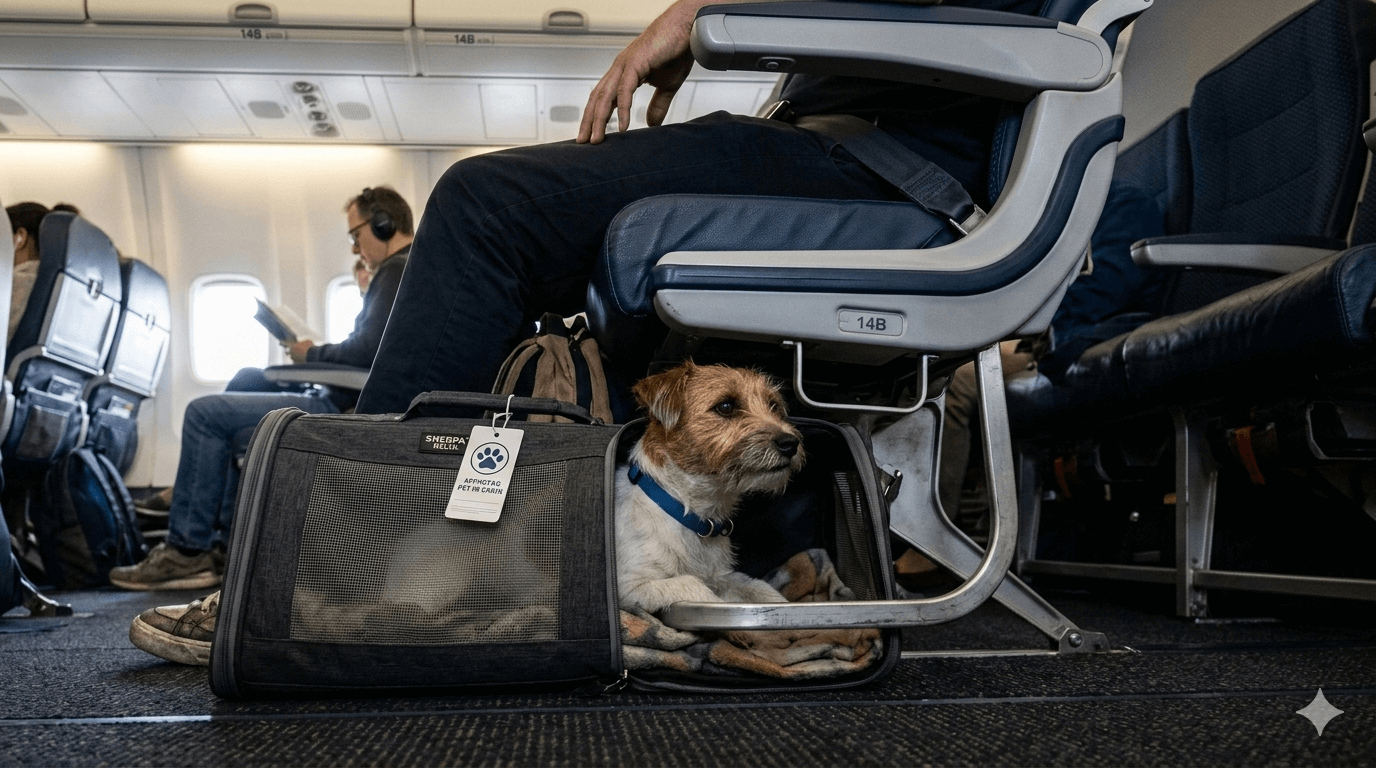
Max Weight for Dogs on Planes: Best 7 Expert Tips! – Discover airline weight limits, safe travel tips, and solutions for flying with your dog stress-free.