
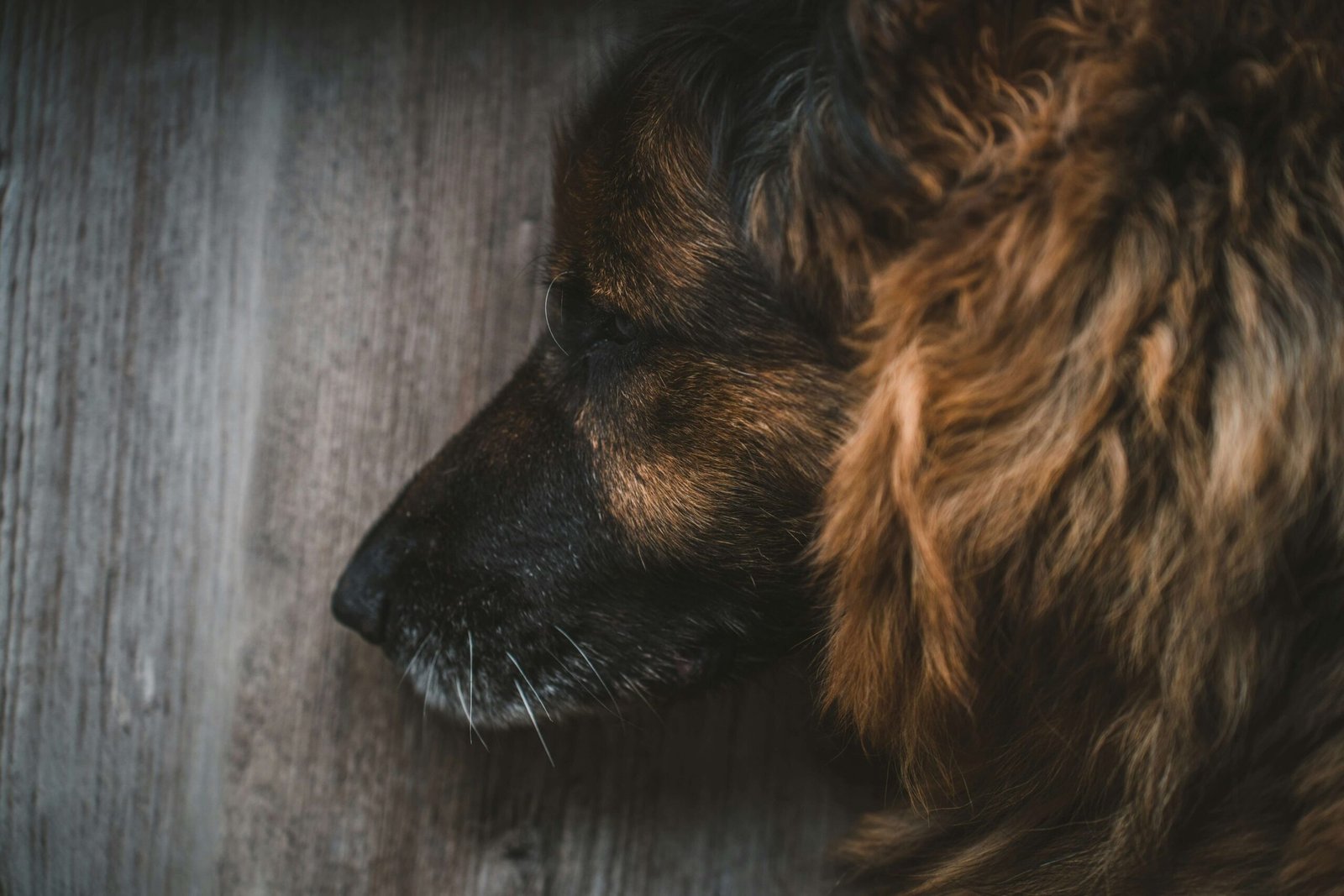
Food for Sick Dogs: Best 7 Expert Tips!

Food for Sick Dogs: Best 7 Expert Tips!

Food for Sick Dogs: Nourishing Your Furry Friend Back to Health


When your dog is sick, their nutritional needs become even more critical. Proper food can play a vital role in speeding up recovery, supporting their immune system, and keeping them comfortable during challenging times. Whether your dog is dealing with an upset stomach, recovering from surgery, or battling a chronic illness, choosing the right food can make all the difference. In this blog post, we’ll explore how to select and prepare food for sick dogs, ensuring they receive the nutrients they need while catering to their unique health conditions. Let’s dive into the world of canine nutrition and discover how you can help your four-legged companion feel better one bite at a time.

Key Considerations When Feeding a Sick Dog


Feeding a sick dog requires careful thought and planning. Their condition may affect their appetite, digestion, or ability to process certain foods. Here are some essential factors to keep in mind when selecting food for your sick dog:

 
  • Consult Your Veterinarian : Always seek professional advice before making dietary changes, especially if your dog has a serious illness.

  • Monitor Appetite : A sick dog may lose interest in food; try tempting them with highly palatable options like boiled chicken or plain rice.

  • Hydration is Crucial : Ensure your dog stays hydrated, as dehydration can worsen many health conditions.

  • Avoid Harmful Ingredients : Steer clear of foods that are toxic to dogs, such as chocolate, onions, garlic, and artificial sweeteners.

  • Adjust Portion Sizes : Smaller, more frequent meals may be easier for a sick dog to digest than large portions.


By considering these factors, you can provide your dog with the nourishment they need to recover while avoiding potential pitfalls that could hinder their progress.

7 Best Foods for Sick Dogs


Certain foods are particularly beneficial for sick dogs due to their gentle nature and nutrient-rich profiles. These options can help soothe digestive issues, boost energy levels, and support overall recovery. Here are seven of the best foods to consider:

 
  • Boiled Chicken : Lean protein that’s easy to digest and packed with essential nutrients.

  • Plain White Rice : A bland carbohydrate source that helps firm up stools and settle upset stomachs.

  • Pumpkin Puree : Rich in fiber, it aids digestion and can help regulate bowel movements.

  • Bone Broth : Hydrating and nutrient-dense, it’s an excellent option for encouraging appetite.

  • Cooked Sweet Potatoes : High in vitamins and fiber, they provide energy and support gut health.

  • Plain Yogurt : Contains probiotics that promote healthy gut bacteria and improve digestion.

  • Mashed Bananas : A soft, potassium-rich snack that’s gentle on the stomach.


These foods are not only nutritious but also easy to prepare, making them ideal for sick dogs who need extra care and attention.

Food for Sick Dogs: Best 7 Expert Tips!
Type of Food
Benefits for Sick Dogs
Boiled Chicken
Easy to digest, high-quality protein
Plain White Rice
Helps with diarrhea, bland and soothing
Pumpkin Puree
Regulates digestion, rich in fiber
Bone Broth
Hydrating, encourages appetite
Cooked Sweet Potatoes
Provides energy, supports gut health

Foods to Avoid When Your Dog is Sick


While certain foods can aid recovery, others can exacerbate your dog’s condition or cause additional health problems. Knowing what to avoid is just as important as knowing what to feed. Here’s a list of foods to steer clear of:

 
  • Spicy or Seasoned Foods : Can irritate the stomach and worsen nausea or vomiting.

  • Fatty Meats : High-fat foods are difficult to digest and may lead to pancreatitis.

  • Dairy Products (for Lactose-Intolerant Dogs) : May cause gas, bloating, or diarrhea in sensitive dogs.

  • Raw Meat or Eggs : Risk of bacterial contamination, which can further compromise their immune system.

  • Processed Snacks : Often contain artificial additives that can harm a dog’s digestive system.


By avoiding these foods, you can prevent unnecessary complications and focus on providing safe, healing nutrition for your sick dog.

Tips for Encouraging a Sick Dog to Eat


A sick dog may lose their appetite, making it challenging to ensure they’re getting enough nutrients. Here are some strategies to encourage eating and make mealtime more appealing:

 
  • Warm the Food : Heating food slightly enhances its aroma, which can entice a reluctant eater.

  • Use Tasty Toppers : Add a small amount of low-sodium broth or plain yogurt to enhance flavor.

  • Hand-Feed if Necessary : Offering food by hand can create a comforting experience and stimulate interest.

  • Create a Quiet Environment : Minimize distractions during mealtime to help your dog focus on eating.

  • Stick to a Routine : Serve meals at the same time each day to establish predictability.


With patience and creativity, you can help your sick dog regain their appetite and enjoy their meals again.

Hydration Tips for Sick Dogs: Keeping Them Well-Watered


Proper hydration is essential for a sick dog’s recovery, as dehydration can worsen their condition and delay healing. Ensuring your dog drinks enough water requires creativity and consistency. Here are some tips to keep them hydrated:

 
  • Offer Fresh Water Frequently : Change the water bowl multiple times a day to keep it clean and appealing.

  • Use Ice Cubes or Frozen Broth : Some dogs enjoy licking ice cubes or frozen bone broth, which provides hydration in a fun way.

  • Add Water to Food : Mix warm water into their meals to increase moisture intake while they eat.

  • Monitor Urination : Keep an eye on how often your dog urinates; reduced frequency may indicate dehydration.

  • Encourage Licking : Use a spoon or your finger to drip water onto their tongue if they’re reluctant to drink.


By prioritizing hydration, you can help your sick dog feel more comfortable and support their body’s natural healing processes.

Signs Your Dog Isn’t Eating Enough: Recognizing the Warning Signs


A lack of appetite can be concerning when your dog is sick, as proper nutrition is crucial for recovery. Recognizing the signs of inadequate food intake allows you to address the issue promptly. Here’s what to watch for:

 
  • Weight Loss : Noticeable thinning or a bony appearance indicates insufficient calorie intake.

  • Lethargy : A lack of energy or enthusiasm may stem from malnutrition or low blood sugar.

  • Behavioral Changes : Increased irritability or withdrawal can signal discomfort or hunger.

  • Dry Nose or Gums : These are potential indicators of dehydration or poor overall health.

  • Vomiting or Diarrhea : Persistent digestive issues may prevent your dog from keeping food down.


If you notice any of these signs, consult your veterinarian to determine the underlying cause and find solutions to encourage eating.

How to Transition Back to Regular Food After Recovery


Once your dog starts feeling better, transitioning them back to their regular diet is an important step. A gradual approach ensures their digestive system adjusts smoothly without setbacks. Follow these steps for a successful transition:

 
  • Start with Small Portions : Begin by mixing a small amount of regular food with their recovery diet.

  • Increase Gradually : Over 5–7 days, slowly increase the proportion of regular food while reducing bland options.

  • Monitor for Reactions : Watch for signs of digestive upset, such as vomiting or diarrhea, and slow down the transition if needed.

  • Maintain Consistency : Stick to the same feeding schedule to avoid confusing your dog’s routine.

  • Celebrate Their Progress : Reward your dog with praise or gentle playtime to reinforce positive associations with mealtime.


By taking a gradual and mindful approach, you can ensure a smooth transition back to their normal diet while maintaining their health and happiness.

Frequently Asked Questions About Food for Sick Dogs

 
What should I feed my dog if they have an upset stomach?

Offer bland foods like boiled chicken and rice, or pumpkin puree to soothe their digestive system.

Some human foods are safe, but always consult your vet before introducing new items.

Ensure constant access to fresh water, and monitor for signs of dehydration like dry gums or lethargy.

Short-term fasting (12–24 hours) may help settle an upset stomach, but prolonged fasting requires veterinary approval.

Gradually reintroduce their normal diet over several days once they show signs of improvement.

Nourishing Your Dog Back to Health


Feeding a sick dog doesn’t have to be overwhelming. By understanding their unique needs and offering nutrient-rich, easily digestible foods, you can support their recovery and improve their quality of life. Remember, every dog is different, so tailor your approach based on their condition and preferences. With love, patience, and the right food choices, you’ll be helping your furry friend heal and return to their happy, tail-wagging self in no time. After all, there’s nothing more rewarding than seeing your loyal companion bounce back stronger than ever!

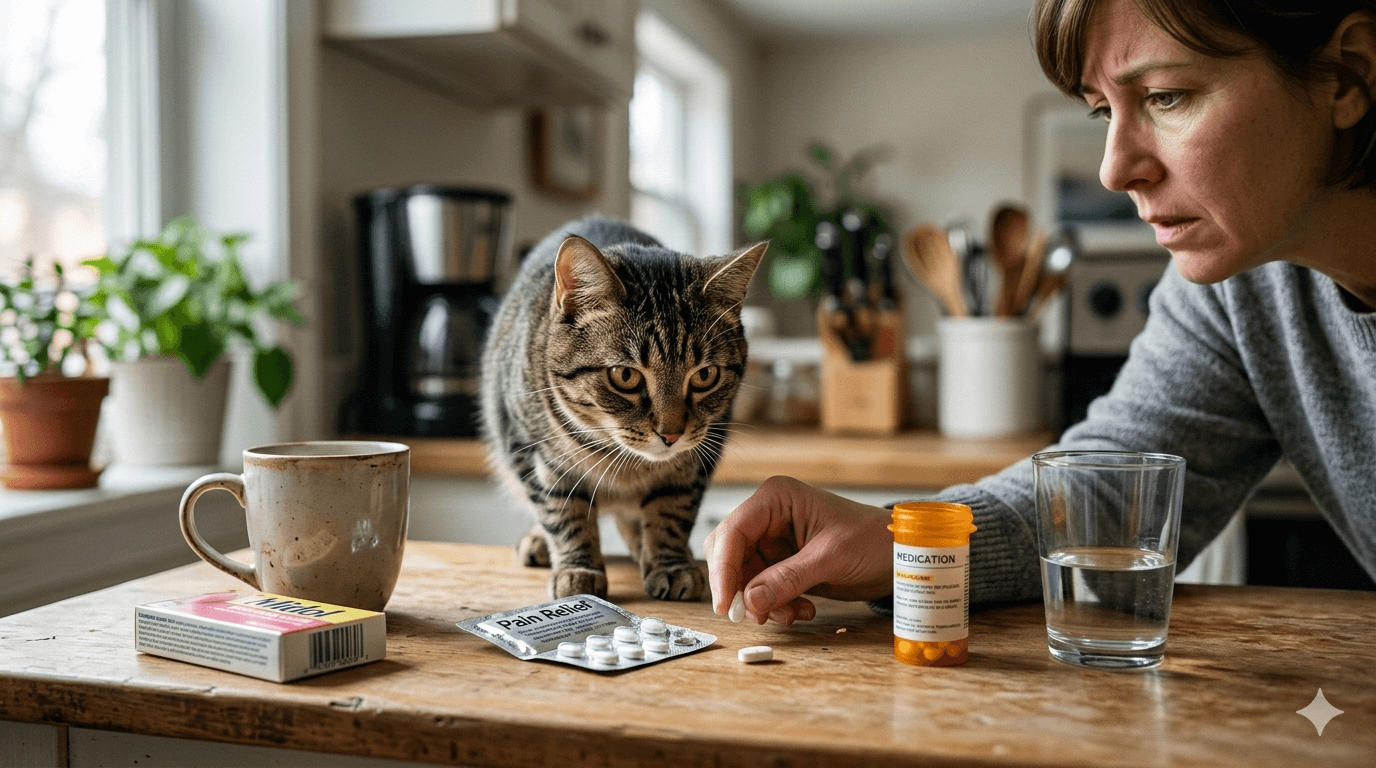
Can I Give My Cat Midol? Best 7 Expert Tips!

Can I Give My Cat Midol? Best 7 Expert Tips! – Learn the risks, symptoms, and safe alternatives to keep your cat healthy and avoid toxic reactions.

Can I Give My Dog Midol? Best 7 Expert Tips!

Can I Give My Dog Midol? Best 7 Expert Tips! – Discover the risks, safe alternatives, and expert advice to keep your dog safe from accidental poisoning.
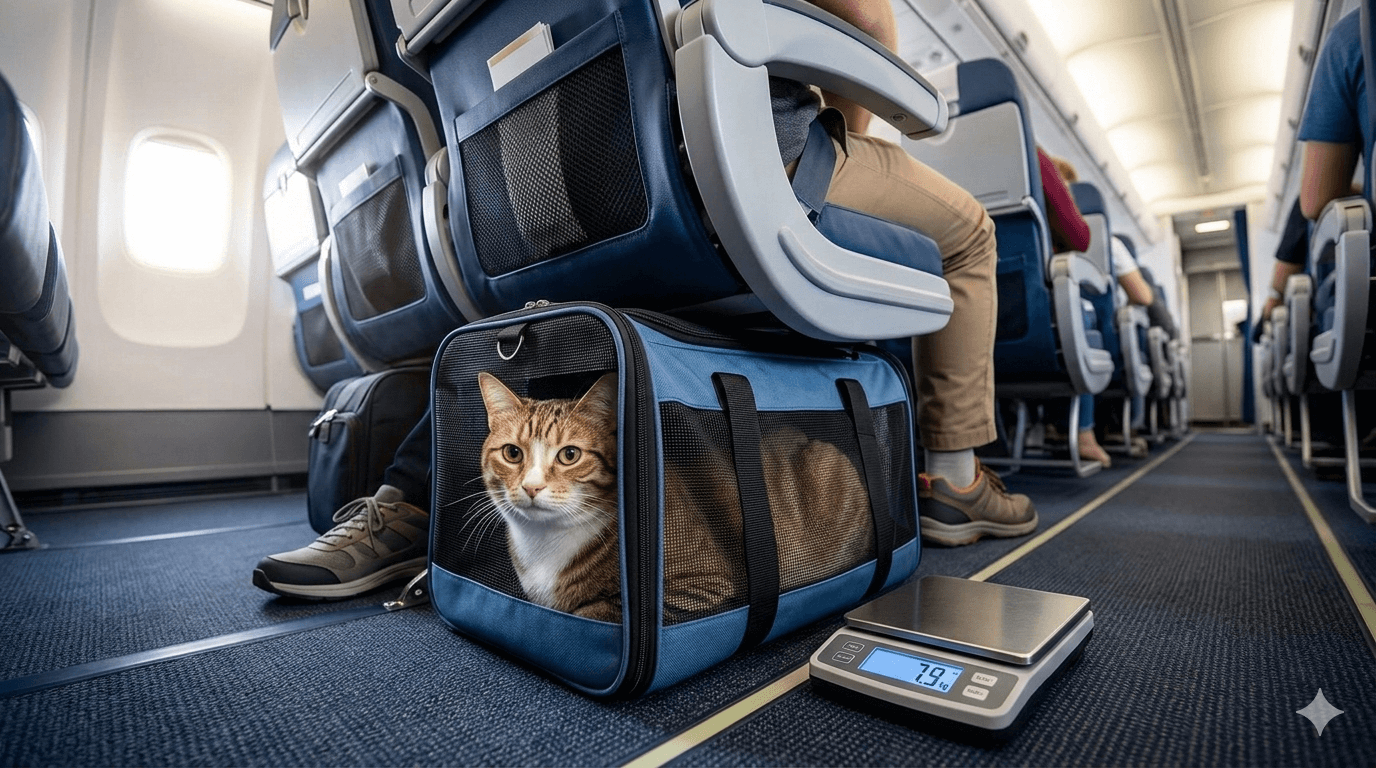
Maximum Weight for Cats on Planes: Best 7 Expert Tips!

Maximum Weight for Cats on Planes: Best 7 Expert Tips! – Learn airline policies, tips to stay compliant, and ensure safe travels for your feline friend.
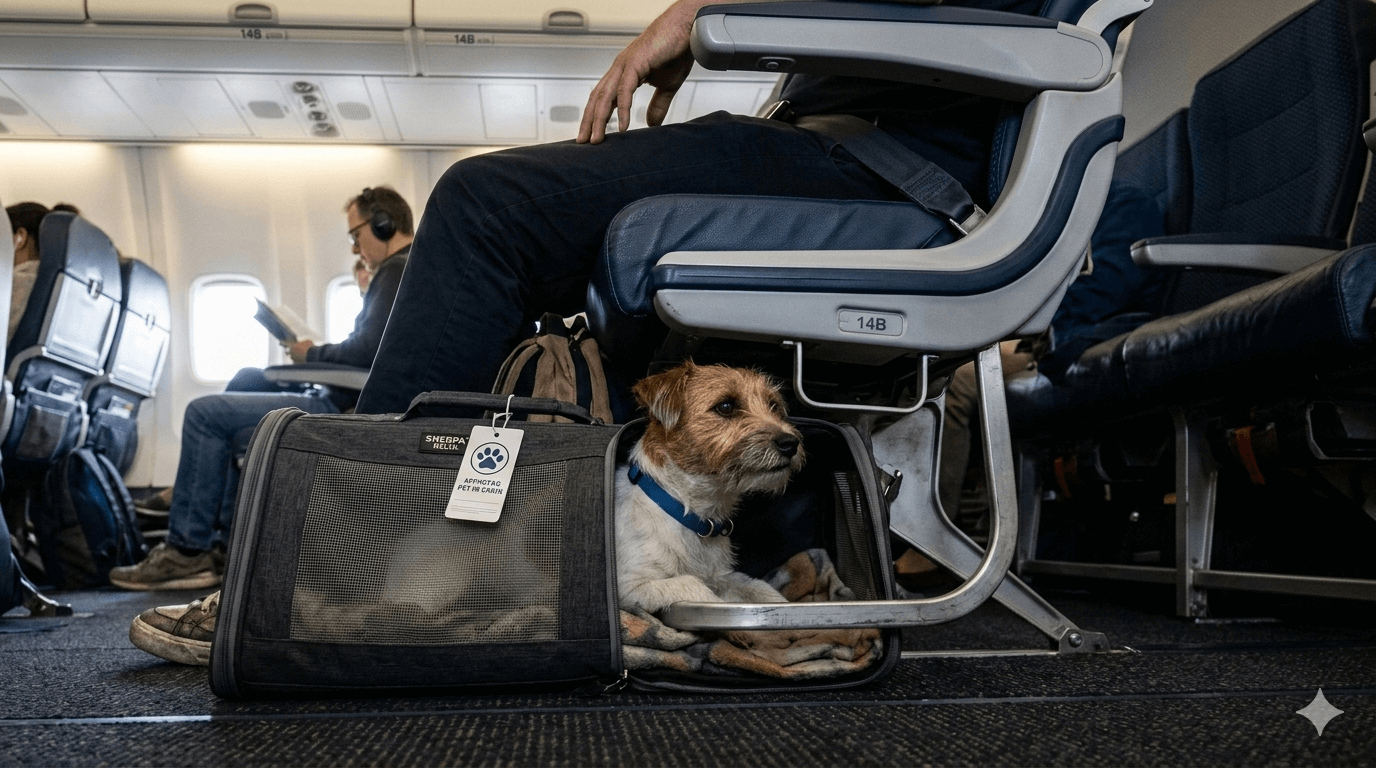
Max Weight for Dogs on Planes: Best 7 Expert Tips!

Max Weight for Dogs on Planes: Best 7 Expert Tips! – Discover airline weight limits, safe travel tips, and solutions for flying with your dog stress-free.

Leave a Reply

Your email address will not be published. Required fields are marked *