
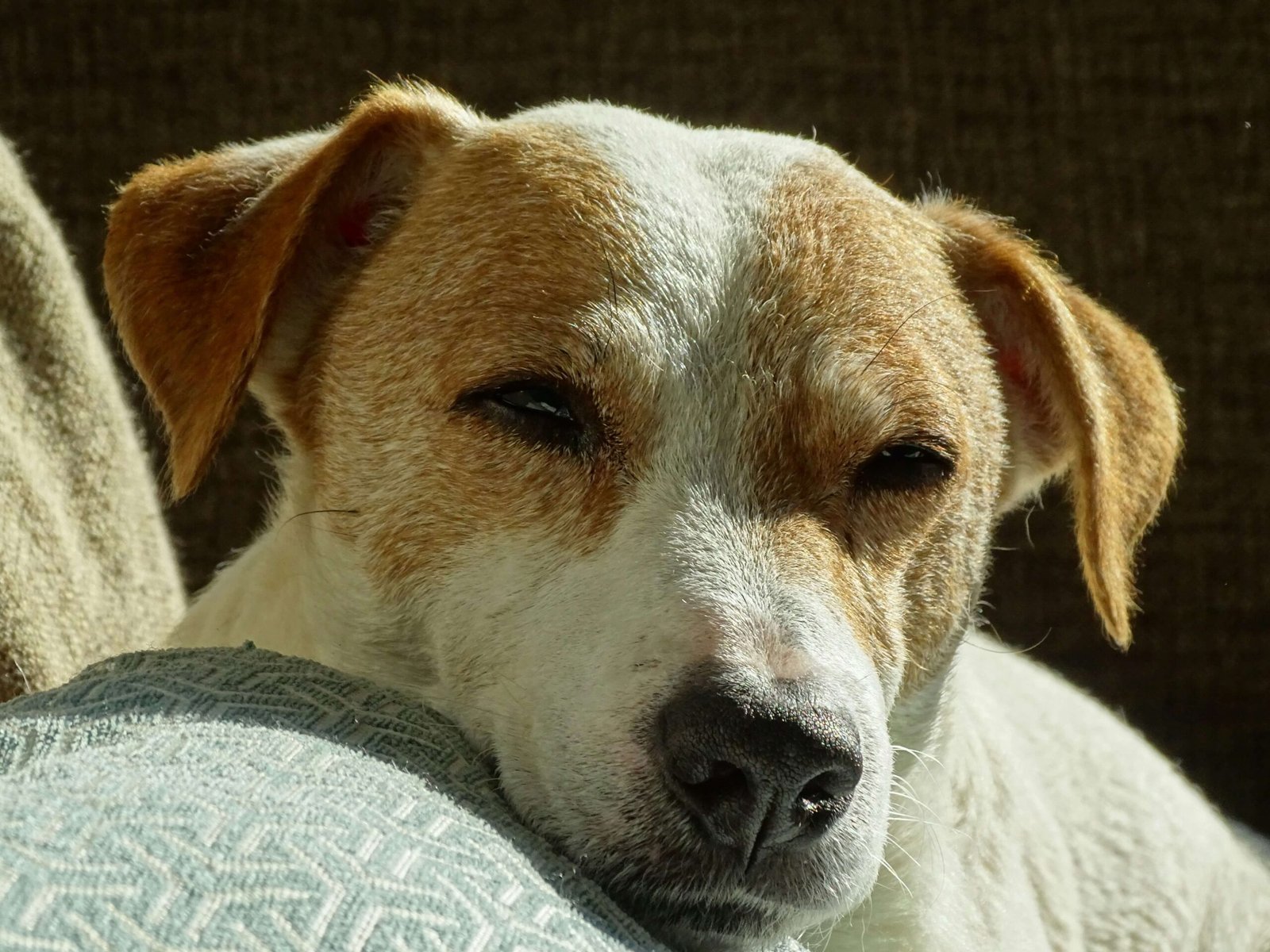


At What Age Does a Dog Stop Growing? Best 7 Expert Tips!

At What Age Does a Dog Stop Growing? Best 7 Expert Tips!

At What Age Does a Dog Stop Growing? Understanding Your Pup’s Development


Dogs are more than just pets—they’re family. Watching them grow from tiny puppies into full-fledged companions is one of the most rewarding experiences for any pet owner. But have you ever wondered when your furry friend will stop growing? The answer isn’t as straightforward as you might think, as it depends on several factors, including breed, size, and genetics. In this blog post, we’ll explore the fascinating journey of canine growth, breaking down what influences their development and how you can support them along the way.

Factors That Influence When a Dog Stops Growing


A dog’s growth timeline is shaped by various elements, each playing a unique role in determining when they reach their full size. Here’s a closer look at the key factors:

 
  • Breed Size :
    Larger breeds tend to take longer to reach full maturity compared to smaller ones. For instance, small breeds may stop growing around 6 to 8 months, while giant breeds can continue developing until they’re 18 to 24 months old.

  • Genetics :
    Just like humans, a dog’s genetic makeup heavily influences their growth rate. If both parents were slow growers, their offspring are likely to follow suit.

  • Nutrition :
    Proper nutrition is crucial during a dog’s developmental stages. A balanced diet ensures they receive the necessary nutrients to grow strong and healthy.

  • Health Conditions :
    Certain health issues, such as hormonal imbalances or bone disorders, can impact a dog’s growth trajectory.

  • Exercise Levels :
    Regular exercise helps build muscle and supports healthy bone development, but excessive strain can hinder growth in young pups.


Understanding these factors can help you better anticipate your dog’s growth patterns and ensure they thrive throughout their developmental years.

Growth Milestones Across Different Life Stages


Every dog goes through distinct phases of growth, each marked by specific milestones. Knowing what to expect at each stage can help you prepare for their evolving needs.

 
  • Puppyhood (0–6 Months) :
    This is the fastest phase of growth, where puppies gain weight rapidly and develop essential motor skills.

  • Adolescence (6–12 Months) :
    During this period, dogs experience slower but steady growth. They also start testing boundaries and exploring their independence.

  • Young Adulthood (12–24 Months) :
    Most dogs reach physical maturity during this time, though larger breeds may still be filling out.

  • Full Maturity (2+ Years) :
    By this age, most dogs have stopped growing entirely and are considered fully mature adults.

  • Senior Stage (7+ Years) :
    While growth has ceased, senior dogs require special care to maintain their health and mobility.


Recognizing these stages allows you to provide tailored care that aligns with your dog’s changing needs over time.

At What Age Does a Dog Stop Growing? Best 7 Expert Tips!
Size Category
Typical Growth Timeline
Small Breeds
Reaches full size by 6–8 months
Medium Breeds
Fully grown by 10–12 months
Large Breeds
Stops growing at 12–18 months
Giant Breeds
Continues growing up to 24 months
Mixed Breeds
Varies; often falls between ranges

Signs That Your Dog Has Stopped Growing


How can you tell if your dog has reached their full size? Look for these subtle yet telling signs:

 
  • Stable Weight :
    Once your dog’s weight remains consistent over several months, it’s a good indicator they’ve stopped growing.

  • Closed Growth Plates :
    An X-ray can reveal whether your dog’s growth plates—the areas where bones grow—have closed.

  • Behavioral Changes :
    Mature dogs often exhibit calmer behavior compared to their energetic adolescent selves.

  • Physical Proportions :
    Adult dogs typically have well-proportioned bodies, with no noticeable changes in height or length.

  • Veterinary Confirmation :
    Regular check-ups with your vet can confirm whether your dog has reached their full size.


These signs serve as valuable clues, helping you gauge when your pup has entered adulthood.

Tips to Support Healthy Growth in Dogs


Promoting healthy growth involves more than just waiting for nature to take its course. Here are some actionable tips:

 
  • Provide Balanced Nutrition :
    Feed your dog high-quality food formulated for their life stage to ensure optimal nutrient intake.

  • Monitor Portion Sizes :
    Overfeeding can lead to obesity, which negatively impacts joint health and overall growth.

  • Encourage Moderate Exercise :
    Activities like walks and playtime strengthen muscles without putting undue stress on developing bones.

  • Schedule Regular Vet Visits :
    Routine examinations allow your vet to monitor your dog’s progress and address potential issues early.

  • Avoid Early Intensive Training :
    High-impact activities like jumping or agility training should wait until your dog is fully grown.


By following these guidelines, you can set your dog up for a lifetime of good health and happiness.

Common Misconceptions About Dog Growth

Many pet owners harbor misconceptions about their dog’s growth process, which can lead to unnecessary worry or mistakes in care. Let’s debunk some of the most common myths:

 
  • Myth: All dogs stop growing at one year old.
    While many small and medium breeds reach full size by this age, larger and giant breeds often continue growing well beyond their first birthday.

  • Myth: Feeding more food speeds up growth.
    Overfeeding can actually harm your dog’s development, leading to obesity or joint problems instead of promoting healthy growth.

  • Myth: Growth plates close at a fixed age for all dogs.
    The timing of growth plate closure varies significantly based on breed, size, and individual health factors.

  • Myth: Neutering/spaying has no impact on growth.
    Early neutering or spaying may delay the closure of growth plates, potentially affecting a dog’s final height.

  • Myth: A dog’s adult size is entirely predictable.
    While genetics play a role, environmental factors like nutrition and exercise also influence how big a dog will grow.


Understanding these misconceptions can help you make informed decisions and provide better care for your growing pup.

How Nutrition Impacts Growth

Proper nutrition is the cornerstone of healthy growth in dogs. Without the right balance of nutrients, even the best genes won’t guarantee optimal development. Here are some key considerations:

 
  • High-Quality Protein :
    Protein supports muscle development and repair, making it essential for growing puppies.

  • Calcium and Phosphorus Balance :
    These minerals are critical for strong bones, but too much or too little can cause developmental issues.

  • Healthy Fats :
    Omega-3 and omega-6 fatty acids promote brain development and keep your dog’s coat shiny and healthy.

  • Vitamins and Minerals :
    Nutrients like vitamin D and zinc support immune function and overall growth.

  • Avoiding Fillers and By-Products :
    Low-quality ingredients can hinder nutrient absorption and negatively impact your dog’s health.


A well-rounded diet tailored to your dog’s life stage ensures they grow into a strong, healthy adult.

Signs of Abnormal Growth Patterns

While most dogs grow at a steady pace, some may exhibit signs of abnormal development. Recognizing these red flags early can prevent long-term health issues:

 
  • Excessive Lethargy :
    If your puppy seems unusually tired or uninterested in play, it could indicate an underlying health issue affecting growth.

  • Visible Limb Deformities :
    Crooked legs or uneven growth may suggest nutritional deficiencies or genetic disorders.

  • Sudden Weight Gain or Loss :
    Rapid changes in weight can signal overfeeding, malnutrition, or metabolic problems.

  • Difficulty Walking or Running :
    Joint pain or stiffness may point to conditions like hip dysplasia, often linked to improper growth.

  • Delayed Closure of Growth Plates :
    If your dog continues growing far beyond the expected timeline, it might warrant a vet visit to rule out hormonal imbalances.


By staying vigilant and addressing concerns promptly, you can ensure your dog grows up happy and healthy.

Frequently Asked Questions About Dog Growth

 
Do all dogs stop growing at the same age?

No, growth timelines vary based on breed size, genetics, and other factors.

Yes, using formulas based on their current weight and breed averages can give a rough estimate.

Slight weight gain due to muscle development is normal, but excessive weight could indicate overfeeding.

Early spaying/neutering may slightly delay closure of growth plates, potentially affecting final height.

Rapid growth could signal underlying health issues, so consult your vet for peace of mind.

Embracing Every Stage of Your Dog’s Journey


Understanding when a dog stops growing provides valuable insight into their overall development and well-being. Whether you have a playful puppy or a majestic giant breed, every stage of their life brings new joys and challenges. By staying informed about their growth patterns and providing proper care, you can ensure your furry companion thrives at every age. Remember, the bond you share with your dog is timeless—and watching them grow is just one chapter in a lifelong story of love and companionship.

Is Rawhide Bad for Cats? Best 7 Expert Tips!

Is Rawhide Bad for Cats? Best 7 Expert Tips! – Discover the risks, safe alternatives, and expert advice to keep your feline friend healthy and happy.

Is Rawhide Bad for Dogs? Best 7 Expert Tips!

Is Rawhide Bad for Dogs? Best 7 Expert Tips! – Discover the risks, benefits, and safer alternatives to rawhides for your dog’s chewing needs.

Understanding Anorexia in Cats: Best 7 Expert Tips!

Understanding Anorexia in Cats: Best 7 Expert Tips! – Learn why cats stop eating, spot warning signs, and discover how to help your feline regain appetite safely.

Understanding Anorexia in Dogs: Best 7 Expert Tips!

Understanding Anorexia in Dogs: Best 7 Expert Tips! – Learn causes, symptoms, and solutions to help your dog regain appetite and stay healthy.

Leave a Reply

Your email address will not be published. Required fields are marked *