

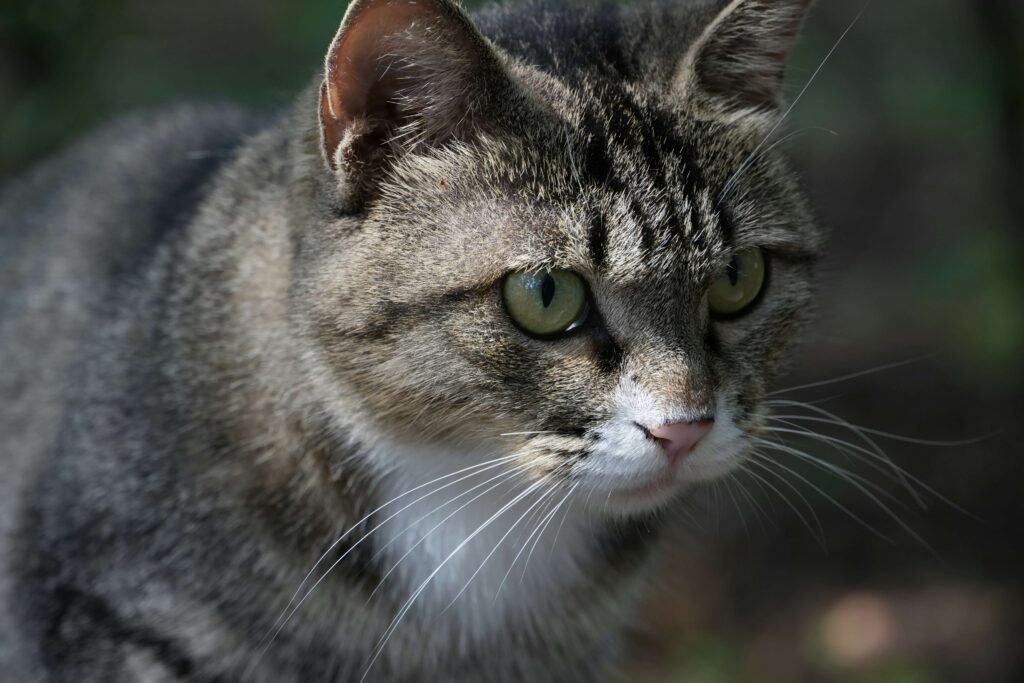

Hard Lump in a Cats Lower Abdomen: Best 7 Expert Tips!

Hard Lump in a Cats Lower Abdomen: Best 7 Expert Tips!

Hard Lump in a Cats Lower Abdomen: What You Need to Know

Discovering a hard lump in your cat’s lower abdomen can be alarming, but it’s important to stay calm and gather information before jumping to conclusions. While some lumps may be harmless, others could indicate underlying health issues that require prompt veterinary attention. As a responsible cat owner, understanding the potential causes and symptoms associated with abdominal lumps is crucial for ensuring your feline friend’s well-being. In this blog post, we’ll explore what might cause a hard lump in your cat’s lower abdomen, how to identify it, and the steps you should take if you notice one. Let’s dive into the details to help you make informed decisions about your pet’s health.

Potential Causes of a Hard Lump in a Cat’s Lower Abdomen

A hard lump in your cat’s lower abdomen can stem from various causes, ranging from benign growths to more serious conditions. Here are some possibilities:

 
  • Abscesses
    A localized collection of pus caused by an infection can feel firm and tender to the touch.

  • Hernias
    Hernias occur when internal tissues or organs protrude through weak areas in the abdominal wall, forming a lump.

  • Tumors
    Both benign and malignant growths can develop in the abdominal area, leading to the formation of hard lumps.

  • Constipation or Fecal Impaction
    A buildup of stool in the intestines can create a palpable mass in the lower abdomen.

  • Foreign Bodies
    Swallowed objects that become lodged in the digestive tract may cause a noticeable lump.


Understanding these potential causes can help you determine whether the lump requires immediate veterinary attention or further observation.

Signs That Accompany a Hard Lump

In addition to the lump itself, certain symptoms may accompany the condition, providing clues about its severity. Here’s what to look for:

 
  • Pain or Discomfort
    Your cat may vocalize, avoid being touched, or show signs of pain when the lump is pressed.

  • Changes in Appetite
    A sudden loss of appetite could indicate that the lump is affecting your cat’s digestive system.

  • Lethargy or Weakness
    Cats with abdominal issues often appear less active or uninterested in their surroundings.

  • Vomiting or Diarrhea
    Gastrointestinal symptoms like vomiting or diarrhea may suggest an obstruction or infection.

  • Swelling or Redness
    Inflammation around the lump could signal an abscess or other inflammatory condition.


Recognizing these accompanying symptoms can help you assess the urgency of the situation and seek appropriate care for your cat.

Hard Lump in a Cats Lower Abdomen: Best 7 Expert Tips!
Symptom
Possible Cause
Pain When Touched
Abscess or hernia
Loss of Appetite
Digestive blockage or tumor
Lethargy
Systemic illness or discomfort
Vomiting or Diarrhea
Foreign body or gastrointestinal issue
Swelling or Redness
Infection or inflammation

Diagnostic Steps for Identifying the Lump

If you discover a hard lump in your cat’s lower abdomen, your veterinarian will likely perform several tests to determine its cause. Here’s what to expect:

 
  • Physical Examination
    The vet will palpate the lump to assess its size, shape, and consistency, as well as check for pain or tenderness.

  • Blood Tests
    Blood work can reveal signs of infection, inflammation, or systemic disease that may be contributing to the lump.

  • Imaging Techniques
    X-rays or ultrasounds provide detailed images of the lump and surrounding tissues, helping identify its origin.

  • Fine Needle Aspiration
    A small sample of cells may be extracted from the lump for microscopic analysis to determine whether it’s benign or cancerous.

  • Biopsy
    In some cases, a surgical biopsy may be necessary to obtain a definitive diagnosis of the lump’s nature.


These diagnostic steps ensure an accurate understanding of the lump’s cause, guiding the most effective treatment plan.

Treatment Options for Abdominal Lumps

The treatment for a hard lump in your cat’s lower abdomen depends on its underlying cause. Here are some common approaches:

 
  • Antibiotics
    If the lump is caused by an infection or abscess, antibiotics may be prescribed to clear it up.

  • Surgical Removal
    Tumors, hernias, or foreign bodies often require surgical intervention to remove the lump safely.

  • Dietary Adjustments
    For constipation-related lumps, dietary changes such as increased fiber or hydration may help resolve the issue.

  • Pain Management
    Pain relief medications can alleviate discomfort while addressing the root cause of the lump.

  • Monitoring and Follow-Up
    Benign lumps may only require regular monitoring to ensure they don’t grow or change over time.


With proper treatment tailored to the specific cause, most cats can recover fully and return to their playful selves.

Understanding the Role of Age in Abdominal Lumps

A cat’s age can influence the likelihood and nature of abdominal lumps. Older cats are more prone to certain conditions, while younger cats may experience different issues. Here’s how age plays a role:

 
  • Increased Risk of Tumors in Senior Cats
    Older cats are more likely to develop tumors, both benign and malignant, due to the natural aging process.

  • Hernias in Kittens
    Younger cats may develop hernias as a result of congenital weaknesses or trauma during play.

  • Abscesses from Fights in Adult Cats
    Adult cats that roam outdoors are more likely to sustain injuries from fights, leading to abscesses.

  • Fecal Impaction in Elderly Cats
    Senior cats with reduced mobility or digestive issues may experience constipation-related lumps.

  • Foreign Bodies in Curious Kittens
    Kittens are naturally curious and may swallow small objects, causing blockages that feel like lumps.


Understanding how age influences the development of abdominal lumps can help you take preventive measures and recognize potential risks earlier.

Preventive Measures to Reduce the Risk of Abdominal Lumps

While not all abdominal lumps can be prevented, certain steps can reduce the likelihood of their occurrence. Here’s what you can do to protect your cat:

 
  • Regular Veterinary Check-Ups
    Routine exams allow your vet to detect abnormalities early before they become serious issues.

  • Maintain a Healthy Diet
    A balanced diet rich in fiber and hydration can prevent constipation and related lumps.

  • Supervise Outdoor Activities
    Limit exposure to outdoor hazards like fights with other animals or access to foreign objects.

  • Monitor for Behavioral Changes
    Pay attention to changes in eating habits, activity levels, or grooming routines, which may signal underlying problems.

  • Provide a Safe Environment
    Keep small objects, toxic plants, and other hazards out of reach to minimize risks.


By taking these preventive measures, you can significantly reduce the chances of your cat developing a hard lump in their abdomen.

When to Consider Emergency Care for Abdominal Lumps

Some abdominal lumps require immediate veterinary attention to prevent complications. Here’s when you should seek emergency care:

 
  • Rapid Growth of the Lump
    If the lump grows noticeably larger within a short period, it could indicate a serious issue like a tumor or infection.

  • Signs of Severe Pain
    Excessive crying, aggression, or avoidance of touch near the lump suggests your cat is in significant distress.

  • Difficulty Breathing
    If the lump presses on internal organs and affects breathing, this is a medical emergency.

  • Vomiting or Refusal to Eat
    Persistent vomiting or refusal to eat may indicate an obstruction or systemic illness requiring urgent treatment.

  • Open Wounds or Bleeding
    Any lump accompanied by open wounds, bleeding, or discharge needs immediate veterinary evaluation.


Recognizing these warning signs ensures your cat receives timely care, potentially saving their life and preventing further complications.

Frequently Asked Questions About Abdominal Lumps in Cats

Is a hard lump in my cat’s abdomen always serious?

Not necessarily, but it’s important to have any lump evaluated by a vet to rule out serious conditions.

Home remedies are not recommended; professional diagnosis and treatment are essential for safety.

Schedule an appointment as soon as possible, especially if the lump is painful, growing, or accompanied by other symptoms.

No, many tumors are benign, but a vet must confirm this through testing.

While diet alone can’t prevent all lumps, maintaining a healthy weight and preventing constipation may reduce risks.


Prioritizing Your Cat’s Health

Finding a hard lump in your cat’s lower abdomen can be unsettling, but staying informed and proactive is key to ensuring their well-being. By recognizing the potential causes, understanding the symptoms, and seeking timely veterinary care, you can address the issue effectively and minimize stress for both you and your furry companion. Remember, early detection and treatment often lead to better outcomes, so trust your instincts and consult a professional whenever something seems off. After all, your cat relies on you to keep them healthy and happy—and with your care, they’ll continue to bring joy to your life for years to come.

Understanding Cryptosporidium in Cats: Best 7 Expert Tips!

Understanding Cryptosporidium in Cats: Best 7 Expert Tips! – Spot symptoms, treat safely, and stop parasite spread in your home.

Understanding Cryptosporidium in Dogs: Best 7 Expert Tips!

Understanding Cryptosporidium in Dogs: Best 7 Expert Tips! – Learn symptoms, treatment & prevention for this stubborn gut parasite.

Understanding Syringomyelia in Cats: Best 7 Expert Tips!

Understanding Syringomyelia in Cats: Best 7 Expert Tips! – Recognize signs, manage pain, and support your cat’s neurological health with vet-backed guidance.

Understanding Syringomyelia in Dogs: Best 7 Expert Tips!

Understanding Syringomyelia in Dogs: Best 7 Expert Tips! – Expert insights on symptoms, MRI diagnosis, pain management & quality of life.

Leave a Reply

Your email address will not be published. Required fields are marked *


