
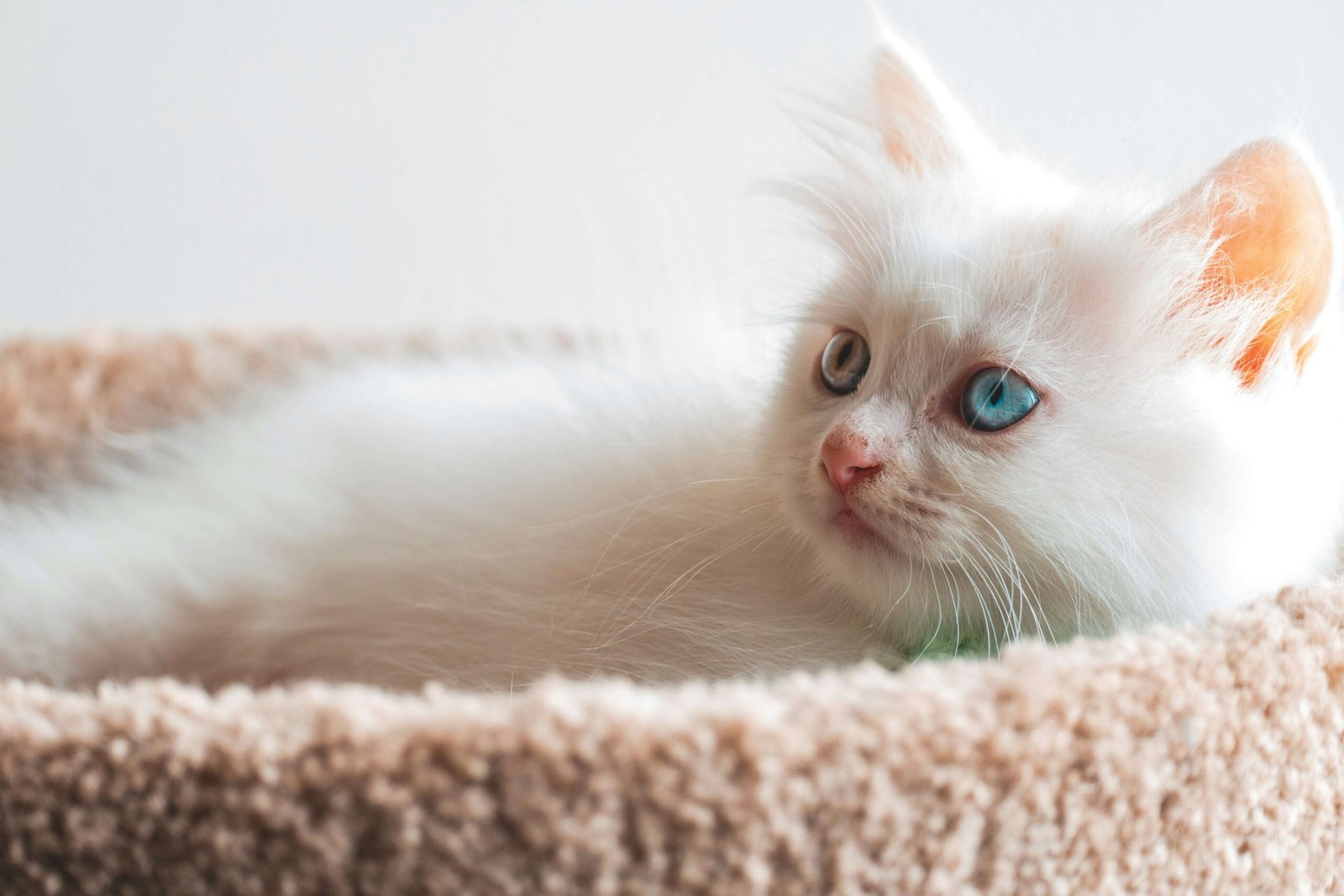

Cat Blepharitis: Understanding, Identifying, and Managing This Eye Condition
Blepharitis in cats is a common yet often misunderstood condition that affects the delicate skin and tissues around their eyes. Characterized by inflammation of the eyelids, this issue can cause discomfort, irritation, and even secondary health problems if left untreated. As a loving cat owner, it’s essential to recognize the signs of blepharitis early and take steps to manage it effectively. In this blog post, we’ll explore what cat blepharitis is, its potential causes, symptoms, and treatment options. By understanding this condition, you can ensure your feline friend enjoys clear, healthy eyes and a happy, pain-free life.
Common Causes of Cat Blepharitis
Blepharitis in cats can arise from a variety of factors, ranging from infections to environmental irritants. Here are some of the most common causes:
Bacterial Infections
Harmful bacteria can invade the eyelid area, leading to inflammation and discomfort.Allergic Reactions
Cats may develop blepharitis as a result of allergies to pollen, dust, or certain foods.Parasitic Infestations
Mites, fleas, or other parasites can irritate the eyelids and trigger an inflammatory response.Fungal Infections
Fungal overgrowth in the skin around the eyes can contribute to chronic blepharitis.Underlying Health Conditions
Systemic issues like autoimmune diseases or feline herpesvirus may predispose cats to blepharitis.
Understanding these causes can help you identify potential triggers and work with your veterinarian to address the root of the problem.
Signs and Symptoms of Cat Blepharitis
Recognizing the symptoms of blepharitis is crucial for early intervention. Here are some key signs to watch for:
Redness and Swelling
The eyelids may appear inflamed, with noticeable redness and puffiness around the affected area.Excessive Blinking or Squinting
Cats with blepharitis often blink more frequently or squint due to eye irritation.Crusting or Discharge
You may notice crusty buildup or sticky discharge around the edges of the eyelids.Hair Loss Around the Eyes
Chronic inflammation can lead to patchy hair loss near the eyelids.Rubbing or Pawing at the Eyes
Cats may rub their eyes against surfaces or paw at them in an attempt to relieve discomfort.
If you observe any of these symptoms, it’s important to consult a veterinarian promptly to prevent further complications.
Check this guide 👉Cat Face Swollen: Best 7 Expert Tips!
Check this guide 👉Why Is My Cats Tail Swollen at the Base? Best 7 Tips!
Check this guide 👉Understanding a Swollen Lip in Cats: Best 7 Health Tips!
Symptom | Possible Cause |
|---|---|
Redness and Swelling | Bacterial or fungal infection |
Excessive Blinking | Irritation from allergens or foreign objects |
Crusting or Discharge | Parasitic infestation or poor hygiene |
Hair Loss Around the Eyes | Chronic inflammation or skin condition |
Rubbing or Pawing | Pain or discomfort due to underlying issues |
Treatment Options for Cat Blepharitis
Treating blepharitis in cats depends on the underlying cause and severity of the condition. Here are some common approaches:
Antibiotics
If a bacterial infection is present, topical or oral antibiotics may be prescribed to clear it up.Anti-Inflammatory Medications
Steroids or non-steroidal anti-inflammatory drugs (NSAIDs) can reduce swelling and discomfort.Parasite Control
Treating mites or fleas with medicated shampoos or spot-on treatments can alleviate parasite-related blepharitis.Warm Compresses
Applying warm compresses to the affected area can help loosen crusts and soothe irritated skin.Dietary Adjustments
For allergy-induced blepharitis, switching to a hypoallergenic diet may reduce flare-ups.
With proper treatment and care, most cases of cat blepharitis can be managed effectively, ensuring your cat’s comfort and well-being.
Preventive Measures to Avoid Cat Blepharitis
Prevention is always better than cure when it comes to your cat’s health. Here are some steps you can take to minimize the risk of blepharitis:
Regular Grooming
Keep your cat’s face clean and free of dirt, debris, and excess fur to prevent irritation.Parasite Prevention
Use flea and tick prevention products year-round to protect your cat from parasitic infestations.Monitor for Allergies
Watch for signs of allergic reactions and eliminate potential allergens from your cat’s environment.Maintain Good Hygiene
Clean your cat’s bedding and living space regularly to reduce exposure to bacteria or fungi.Routine Vet Check-Ups
Schedule regular veterinary visits to catch any early signs of eye problems or systemic issues.
By taking proactive measures, you can significantly reduce the likelihood of your cat developing blepharitis.
Understanding the Role of Diet in Eye Health
A cat’s diet plays a crucial role in maintaining overall health, including their eye condition. Proper nutrition can help prevent or manage issues like blepharitis. Here’s how dietary choices impact your cat’s eyes:
Omega-3 Fatty Acids
These essential fats reduce inflammation and support skin and coat health, which can benefit cats with blepharitis.Antioxidant-Rich Foods
Ingredients like blueberries, spinach, and carrots contain antioxidants that protect eye tissues from oxidative stress.Hydration Through Wet Food
Feeding wet food ensures your cat stays hydrated, preventing dryness around the eyes and eyelids.Limited Fillers and Additives
Avoid foods with artificial additives, as these can trigger allergic reactions that worsen blepharitis.Specialized Veterinary Diets
Some brands offer diets specifically formulated to support skin and eye health, which may be beneficial for cats prone to blepharitis.
By focusing on a balanced, nutrient-rich diet, you can support your cat’s eye health and potentially reduce the risk of blepharitis flare-ups.
How Environmental Factors Contribute to Blepharitis
Environmental factors can significantly influence the development or exacerbation of blepharitis in cats. Here’s how your home environment might play a role:
Dust and Pollen
High levels of dust or pollen in the air can irritate sensitive eyelids and trigger allergic responses.Humidity Levels
Low humidity can dry out the skin around the eyes, making it more susceptible to irritation and infection.Cleaning Products
Harsh chemicals in household cleaners may irritate your cat’s eyes if they come into contact with them.Litter Box Hygiene
Poorly maintained litter boxes can harbor bacteria or allergens that affect your cat’s eyes and respiratory system.Exposure to Smoke
Secondhand smoke from cigarettes or candles can irritate your cat’s eyes and contribute to chronic inflammation.
By addressing these environmental factors, you can create a safer and healthier living space for your cat, reducing the likelihood of blepharitis.
When to Seek Immediate Veterinary Attention
While many cases of blepharitis can be managed at home, certain symptoms warrant immediate veterinary care. Here’s when you should act quickly:
Severe Swelling or Pus
If your cat’s eyelids are extremely swollen or oozing pus, it could indicate a serious infection requiring antibiotics.Corneal Ulcers
Signs like cloudy eyes or excessive tearing may suggest corneal damage caused by untreated blepharitis.Vision Impairment
If your cat seems disoriented or bumps into objects, it may indicate vision problems stemming from eye inflammation.Persistent Scratching
Excessive pawing or rubbing at the eyes can lead to further injury or secondary infections if not addressed promptly.Behavioral Changes
Lethargy, loss of appetite, or unusual aggression may signal systemic illness linked to untreated blepharitis.
Recognizing these warning signs early can prevent complications and ensure your cat receives timely treatment, safeguarding their long-term health.
Frequently Asked Questions About Cat Blepharitis
Is blepharitis painful for my cat?
Yes, it can cause significant discomfort, especially if there’s swelling or crusting around the eyes.
Can I treat my cat’s blepharitis at home?
While mild cases may improve with home care, it’s best to consult a vet for proper diagnosis and treatment.
How long does it take for blepharitis to heal?
Healing time varies depending on the cause and severity but typically ranges from a few days to several weeks.
Can blepharitis lead to vision problems?
If left untreated, severe cases may affect the cornea or cause secondary infections, potentially impacting vision.
Are certain breeds more prone to blepharitis?
Cats with flat faces (e.g., Persians) are more susceptible due to their unique facial structure.
Caring for Your Cat’s Eyes: A Lifelong Commitment
Cat blepharitis may seem daunting at first, but with the right knowledge and care, it’s entirely manageable. By staying vigilant about changes in your cat’s eye health, addressing symptoms promptly, and working closely with your veterinarian, you can ensure your feline companion remains comfortable and happy. Remember, your cat’s eyes are not only a window to their soul but also a vital part of their overall well-being. With proper attention and preventive measures, you can help them enjoy a lifetime of clear, healthy vision. After all, nothing compares to the joy of seeing those bright, loving eyes gazing back at you.
Dog Tapeworm Life Cycle: Best 7 Expert Tips! – Learn how tapeworms infect dogs, spot symptoms, and break the cycle with expert prevention strategies.
Anxious Cat Body Language: Best 7 Expert Tips! – Learn to spot signs of stress, understand triggers, and help your cat feel safe and relaxed.

Anxious Dog Body Language: Best 7 Expert Tips! – Learn to spot signs of anxiety, respond effectively, and help your dog feel safe and secure.

Is Breeding Dogs Bad? Best 7 Expert Tips! – Explore the ethics, benefits, and risks of dog breeding to make informed decisions for a better future.