
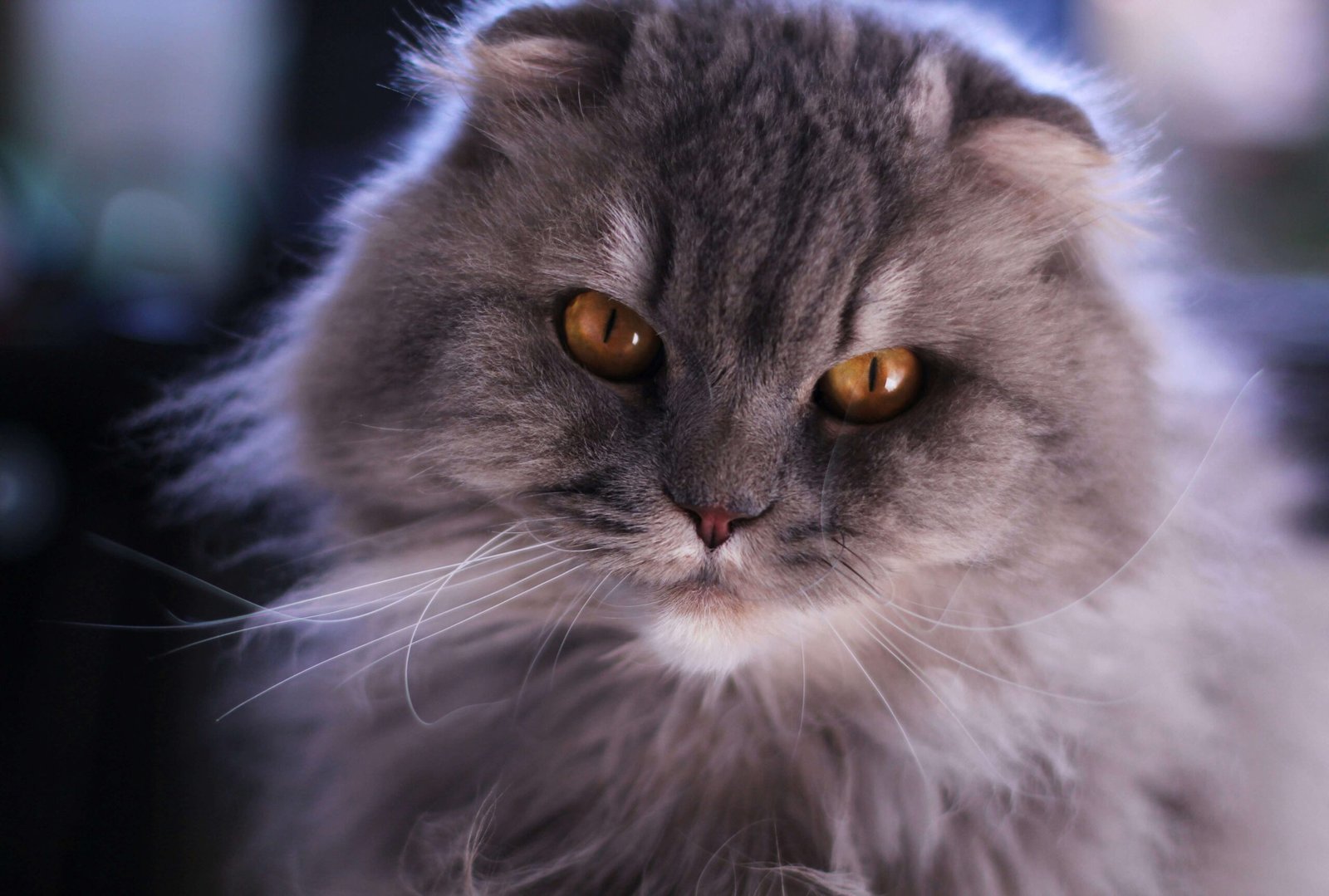

Understanding a Hyperactive Cat: Best 7 Tips!

Understanding a Hyperactive Cat: Best 7 Tips!

Understanding and Managing a Hyperactive Cat: Tips for a Happier Feline

Cats are known for their playful nature, but some cats take it to the next level—constantly zooming around the house, knocking over objects, or demanding attention at all hours. If you’re dealing with a hyperactive cat, you’re not alone. While this behavior is often a sign of a healthy, energetic feline, it can sometimes leave pet owners feeling overwhelmed. The good news is that understanding the causes behind this energy surge and implementing strategies to manage it can make life easier for both you and your furry companion. In this blog post, we’ll explore everything you need to know about living with and loving a hyperactive cat.

Signs Your Cat May Be Hyperactive

Is your cat truly hyperactive, or are they just being their usual playful self? Here are some common signs that may indicate your cat has boundless energy:

 
  • Constant Movement
    Your cat seems unable to sit still, running from room to room or leaping onto furniture for no apparent reason.

  • Excessive Vocalization
    They meow loudly and frequently, especially when seeking attention or during playtime.

  • Destructive Behavior
    Hyperactive cats may knock over objects, scratch furniture, or chew on inappropriate items out of boredom or excess energy.

  • Nighttime Activity Spikes
    Many hyperactive cats become especially active late at night, disrupting your sleep with their antics.

  • Attention-Seeking Actions
    They may pounce on you, nibble your fingers, or bat at your feet to get your attention.


If your cat exhibits several of these behaviors, they may indeed be hyperactive. However, remember that high energy levels are often normal for cats, especially younger ones.

Causes of Hyperactivity in Cats

Understanding why your cat is so energetic can help you address the root cause of their behavior. Here are some potential reasons for hyperactivity:

 
  • Age and Development
    Kittens and young cats naturally have more energy as they grow and explore their environment.

  • Breed Characteristics
    Certain breeds, such as Bengals or Siamese, are known for their high energy levels and playful personalities.

  • Lack of Mental Stimulation
    Cats that don’t receive enough mental challenges may channel their energy into hyperactive behaviors.

  • Excess Energy from Diet
    A diet too high in calories or carbohydrates can contribute to bursts of energy in some cats.

  • Medical Conditions
    In rare cases, hyperactivity may be linked to underlying health issues like hyperthyroidism or anxiety disorders.


Identifying the cause of your cat’s hyperactivity is the first step toward finding effective solutions to manage their energy levels.

Understanding a Hyperactive Cat: Best 7 Tips!
Cause of Hyperactivity
Solution
Age and Development
Provide plenty of playtime and enrichment
Breed Characteristics
Choose activities suited to their energy level
Lack of Mental Stimulation
Introduce puzzle toys and interactive games
Excess Energy from Diet
Consult a vet for dietary adjustments
Medical Conditions
Schedule a vet check-up to rule out illness

Tips for Managing a Hyperactive Cat

Living with a hyperactive cat doesn’t have to be stressful. With the right strategies, you can redirect their energy in positive ways. Here are some expert-recommended tips:

 
  • Establish a Routine
    Set regular times for feeding, play, and rest to help your cat feel more secure and less chaotic.

  • Provide Plenty of Exercise
    Engage your cat in daily play sessions using interactive toys or DIY activities to burn off excess energy.

  • Create Vertical Spaces
    Install shelves, cat trees, or perches to give your cat opportunities to climb and explore safely.

  • Offer Mental Stimulation
    Use puzzle feeders or hide treats around the house to keep your cat mentally engaged.

  • Encourage Calm Behavior
    Reward quiet and calm moments with treats or affection to reinforce positive habits.


By implementing these strategies, you can create a balanced environment that meets your cat’s needs while reducing disruptive behaviors.


How to Bond with Your Hyperactive Cat

Building a strong bond with your hyperactive cat can make managing their energy easier and more enjoyable. Here are some bonding activities to try:

 
  • Interactive Play Sessions
    Use a wand toy or laser pointer to engage your cat in focused play, strengthening your connection.

  • Grooming Time
    Spend time brushing your cat’s fur. This not only helps with bonding but also calms them down.

  • Training Exercises
    Teach your cat simple tricks like “sit” or “high-five” using positive reinforcement techniques.

  • Quiet Together Time
    Sit near your cat and read a book or watch TV. Their presence alone can foster a sense of companionship.

  • Respect Their Space
    Allow your cat to retreat to a quiet area when they need downtime, showing respect for their boundaries.


Bonding with your hyperactive cat strengthens your relationship and helps them feel more secure in their environment.

Creating a Stimulating Environment for Your Hyperactive Cat

A stimulating environment can help channel your hyperactive cat’s energy into productive activities. Here are some ideas to keep them engaged:

 
  • Rotating Toys
    Regularly switch out toys to keep your cat’s interest fresh and prevent boredom.

  • Interactive Feeders
    Use food puzzles or slow-feed bowls to make mealtime more challenging and mentally stimulating.

  • Window Perches
    Install a cozy perch near a window so your cat can watch birds, squirrels, or other outdoor activity.

  • Catnip Alternatives
    Offer safe herbs like silver vine or valerian root to spark playful behavior without overstimulation.

  • DIY Obstacle Courses
    Arrange furniture, boxes, or tunnels to create an indoor playground for climbing and exploring.


By creating a dynamic and engaging environment, you can help your hyperactive cat expend energy in healthy and constructive ways.

Managing Stress in Hyperactive Cats

Hyperactivity in cats can sometimes stem from stress or anxiety. Addressing these underlying issues is key to promoting calmness. Here’s how to reduce stress:

 
  • Quiet Retreats
    Designate a quiet, low-traffic area where your cat can retreat when feeling overwhelmed.

  • Consistent Schedule
    Maintain a predictable routine for feeding, play, and sleep to provide a sense of security.

  • Calming Scents
    Use pheromone diffusers or sprays like Feliway to create a soothing atmosphere in your home.

  • Minimize Loud Noises
    Reduce sudden loud sounds, such as vacuum cleaners or music, that may startle or agitate your cat.

  • Gentle Handling
    Approach your cat calmly and avoid forcing interactions, allowing them to feel in control.


By addressing potential stressors, you can help your hyperactive cat feel more relaxed and content in their surroundings.

Encouraging Positive Behavior Through Training

Training isn’t just for dogs—cats can learn too! Teaching your hyperactive cat basic commands or tricks can redirect their energy positively. Here’s how to get started:

 
  • Clicker Training
    Use a clicker to mark desired behaviors, followed by a small treat as a reward.

  • Target Stick Exercises
    Train your cat to follow a target stick, encouraging focus and controlled movement.

  • Reward Calm Moments
    Praise or treat your cat when they’re lying quietly or behaving calmly to reinforce good habits.

  • Short Training Sessions
    Keep sessions brief (5-10 minutes) to match your cat’s attention span and avoid frustration.

  • Patience and Consistency
    Be patient and consistent with training, as cats may take time to learn new behaviors.


With positive reinforcement and patience, training can become a fun and effective way to manage your hyperactive cat’s behavior while strengthening your bond.

Frequently Asked Questions About Hyperactive Cats

Is my cat’s hyperactivity normal?

Yes, many cats, especially kittens or certain breeds, exhibit high energy levels. However, consult a vet if you suspect an underlying issue.


Cats are naturally crepuscular, meaning they are most active during dawn and dusk. Nighttime activity spikes are common.


Absolutely. A balanced diet tailored to your cat’s age and breed can help regulate their energy.


Aim for at least 20-30 minutes of active play twice a day to satisfy their energy needs.


If your cat’s behavior is causing distress or harm, consult a veterinarian or animal behaviorist for guidance.

Embracing Life with a Hyperactive Cat

Living with a hyperactive cat can be challenging, but it’s also incredibly rewarding. By understanding their unique needs and providing outlets for their boundless energy, you can transform chaos into harmony. Whether through interactive play, mental stimulation, or simply spending quality time together, you’ll find that your hyperactive cat brings endless joy and entertainment to your home. Remember, every cat is different, so patience and consistency are key. With the right approach, you’ll not only manage their energy but also deepen the bond you share—because even the most hyperactive cats deserve love, care, and understanding.

Most Affordable Fresh Dog Food: Best 7 Expert Tips!

Most Affordable Fresh Dog Food: Best 7 Expert Tips! – Smart ways to feed fresh, healthy meals without overspending.

Deer Tick vs Dog Tick Size: Best 7 Expert Tips!

Deer Tick vs Dog Tick Size: Best 7 Expert Tips! – Compare sizes, spot key differences, and protect your dog from tick-borne diseases.

Deer Tick vs Cat Tick Size: Best 7 Expert Tips!

Deer Tick vs Cat Tick Size: Best 7 Expert Tips! – Compare sizes, spot key differences, and protect your pet from tick-borne risks.

Understanding Dog Pink Eye Treatment: Best 7 Expert Tips!

Understanding Dog Pink Eye Treatment: Best 7 Expert Tips! – Safe, vet-backed remedies to soothe redness, discharge, and discomfort fast.

Leave a Reply

Your email address will not be published. Required fields are marked *


