



Why Does My Cat Put His Paw on My Face? Best 7 Tips!

Why Does My Cat Put His Paw on My Face? Best 7 Tips!

Why Does My Cat Put His Paw on My Face? Decoding Feline Affection


Cats are fascinating creatures, full of quirks and behaviors that often leave us scratching our heads. One such behavior is when your feline friend decides to place a gentle paw on your face while you’re sleeping or relaxing. At first glance, it might seem like an odd or even slightly annoying gesture, but there’s actually a lot more going on beneath the surface. Cats communicate in ways that go beyond meows and purrs, and their body language—especially their paws—can tell us volumes about how they feel. In this blog post, we’ll explore why your cat might be doing this, what it means for your bond, and how you can respond to make the most of these tender moments.

Possible Reasons Behind This Behavior


If you’ve ever wondered why your cat places its paw on your face, here’s a breakdown of some common explanations behind this adorable yet puzzling habit:

 
  • Seeking Attention:
    Cats are naturally curious animals, and they often use physical touch to get your attention. A paw on your face could simply mean they want you to wake up or engage with them.

     
  • Expressing Affection:
    For many cats, placing their paw on your face is a sign of trust and love. It’s their way of saying, “You’re important to me.”

     
  • Marking Territory:
    Cats have scent glands in their paws, and by touching you, they’re marking you as part of their territory—a gesture of ownership tinged with affection.

     
  • Checking Your Presence:
    Sometimes, cats place their paws on your face just to ensure you’re still there. This behavior may stem from their instinctual need to stay connected to their human companions.

     
  • Comfort and Routine:
    If your cat feels safe and secure around you, they may develop habits like pawing your face as part of their comforting routine.


Understanding these motivations can help deepen your connection with your furry friend. While the reasons vary, one thing is certain: your cat’s paw on your face is almost always a positive sign of their bond with you.

How Cats Use Their Paws to Communicate


A cat’s paws are incredibly versatile tools that play a vital role in their communication style. Here’s how they use them to interact with the world—and with you:

 
  • Tactile Exploration:
    Cats rely heavily on touch to explore their surroundings. Placing their paw on objects—or faces—is one way they gather information through texture and temperature.

     
  • Playful Gestures:
    Kittens often bat at things during playtime, and this playful energy can carry over into adulthood. Your face might become a target if your cat sees it as part of a fun game.

     
  • Softening Aggression:
    When a cat uses its paw instead of claws, it’s typically a sign of gentleness. Even if the action surprises you, it’s rarely meant to harm.

     
  • Testing Boundaries:
    Cats are naturally curious and will sometimes test boundaries by touching unfamiliar areas. Your face might simply be another intriguing spot to investigate.

     
  • Bonding Through Touch:
    Physical contact strengthens social bonds among animals, including between humans and cats. A paw on your face could indicate your cat views you as family.


By paying attention to these subtle cues, you can better interpret your cat’s intentions and foster a stronger relationship built on mutual understanding.

 
Why Does My Cat Put His Paw on My Face? Best 7 Tips!
Behavioral Cues
What They Might Mean
Pawing gently on your face
Seeking attention or expressing affection
Kneading with their paws
Feeling relaxed and content
Batting without claws
Playfulness or curiosity
Scent-marking with paws
Claiming you as part of their territory
Resting paws on your body
Showing comfort and trust

Why Understanding Cat Behavior Matters


Taking the time to understand why your cat exhibits certain behaviors can greatly enhance your relationship. Here’s why decoding their actions is so important:

 
  • Strengthening Bonds:
    When you recognize and respond appropriately to your cat’s gestures, you build trust and deepen your emotional connection.

     
  • Preventing Misunderstandings:
    Misinterpreting your cat’s signals can lead to frustration for both parties. Knowing their intent helps avoid unnecessary conflicts.

     
  • Promoting Harmony at Home:
    Understanding your cat’s needs ensures a peaceful coexistence, reducing stress for everyone involved.

     
  • Enhancing Communication:
    Learning to read your cat’s body language allows you to communicate more effectively, creating a harmonious living environment.

     
  • Improving Overall Well-being:
    Happy cats thrive in environments where they feel understood and cared for. By tuning into their behaviors, you contribute to their happiness and health.


Investing effort into understanding your cat pays off in countless ways, leading to a happier household for both pets and people alike.

Tips for Responding to Your Cat’s Pawing


If your cat frequently places their paw on your face, consider these tips to handle the situation gracefully:

 
  • Stay Calm and Patient:
    Reacting negatively can confuse or upset your cat. Instead, remain calm and acknowledge their gesture warmly.

     
  • Redirect Their Energy:
    If the behavior becomes too frequent or disruptive, redirect their focus to toys or interactive play sessions.

     
  • Reward Positive Interactions:
    Offer treats or praise when your cat interacts gently, reinforcing good behavior.

     
  • Set Boundaries Gently:
    While it’s okay to discourage unwanted pawing, do so kindly to avoid damaging your bond.

     
  • Observe Patterns:
    Pay attention to when and where the behavior occurs. Identifying triggers can help you address underlying causes.


With patience and consistency, you can guide your cat toward healthier forms of interaction while preserving the warmth of your relationship.

Common Misconceptions About Cats and Their Paws


There are several myths surrounding why cats use their paws in certain ways. Let’s debunk some of the most common misconceptions to help you better understand your feline friend:

 
  • Myth: Cats Only Use Their Paws for Scratching.
    While scratching is a natural behavior, cats also use their paws for communication, exploration, and play.

     
  • Myth: Pawing on Your Face Is a Sign of Dominance.
    This behavior is more about affection or curiosity than asserting dominance over you.

     
  • Myth: Cats Don’t Show Emotions Through Their Paws.
    On the contrary, paw gestures often reveal emotions like trust, comfort, or even excitement.

     
  • Myth: A Cat’s Pawing Means They’re Bored.
    While boredom can be a factor, pawing is often a sign of connection rather than restlessness.

     
  • Myth: You Should Ignore Unusual Paw Gestures.
    Ignoring persistent or unusual behaviors could mean missing important signals about your cat’s health or emotional state.


By clearing up these misconceptions, you’ll gain a clearer picture of what your cat is trying to communicate through their paws. Understanding their language helps foster a stronger bond and ensures their needs are met.

How to Encourage Positive Paw Interactions


If you’d like to encourage healthy and positive interactions involving your cat’s paws, here are some practical tips to consider:

 
  • Provide Plenty of Toys:
    Interactive toys can redirect your cat’s pawing energy toward play rather than your face or furniture.

     
  • Engage in Regular Playtime:
    Dedicating time each day to play with your cat reduces unwanted behaviors and strengthens your relationship.

     
  • Reward Gentle Behavior:
    Positive reinforcement, such as treats or praise, encourages your cat to use their paws gently.

     
  • Create a Comfortable Environment:
    A happy and stress-free home minimizes negative behaviors and promotes calm interactions.

     
  • Teach Boundaries Gradually:
    Gently discourage inappropriate pawing while rewarding desirable actions to establish clear boundaries.


With consistent effort, you can guide your cat toward healthier habits without stifling their natural instincts. This balanced approach ensures both you and your cat enjoy your time together.

Fun Facts About Cats and Their Paws


Cats’ paws are fascinating tools that serve multiple purposes beyond just walking or jumping. Here are some intriguing facts about them:

 
  • Paws Are Sensitive Sensors:
    Cats have highly sensitive pads on their paws that help them detect vibrations and changes in texture.

     
  • They Sweat Through Their Paws:
    Unlike humans, cats primarily sweat through the pads of their paws to regulate body temperature.

     
  • Each Paw Has Unique Patterns:
    Just like human fingerprints, every cat’s paw pads have distinct ridges and patterns.

     
  • Paws Help With Grooming:
    Cats use their front paws to assist in cleaning hard-to-reach areas during grooming sessions.

     
  • Kneading Is a Throwback to Kittenhood:
    The kneading motion many adult cats exhibit stems from their early days of nursing, signaling comfort and contentment.


These fun facts highlight just how remarkable your cat’s paws truly are. Not only do they serve practical functions, but they also play a key role in expressing emotions and connecting with you.

FAQ

Is it normal for my cat to put their paw on my face?

Yes, it’s completely normal. Cats often use their paws to communicate affection, seek attention, or check on their humans.

Not necessarily. However, if the behavior seems obsessive or paired with other unusual actions, consult a vet to rule out any issues.

You can gently discourage the behavior by redirecting their attention to toys or rewarding alternative interactions.

Most likely, yes! Placing a paw on your face is often a sign of trust and affection.

Clean the area thoroughly and monitor for signs of infection. Consider trimming your cat’s nails regularly to prevent future incidents.


Embracing the Unique Bond with Your Cat


In conclusion, a cat placing their paw on your face is far from random—it’s a meaningful expression rooted in trust, curiosity, and affection. By embracing these small yet significant gestures, you not only strengthen your bond but also gain a deeper appreciation for the unique personality of your feline companion. Remember, every interaction with your cat offers an opportunity to learn and grow together. So the next time your cat reaches out with a soft paw, take a moment to cherish the connection you share—it’s truly something special.

How to Check Your Cat for a Fever: Best 7 Expert Tips!

How to Check Your Cat for a Fever: Best 7 Expert Tips! – Learn the signs, safe temperature checks, and when to see a vet. Keep your feline healthy and happy!

How to Check Your Dog for a Fever: Best 7 Expert Tips!

How to Check Your Dog for a Fever: Best 7 Expert Tips! – Learn the signs, safe temperature checks, and when to see a vet if your dog has a fever.
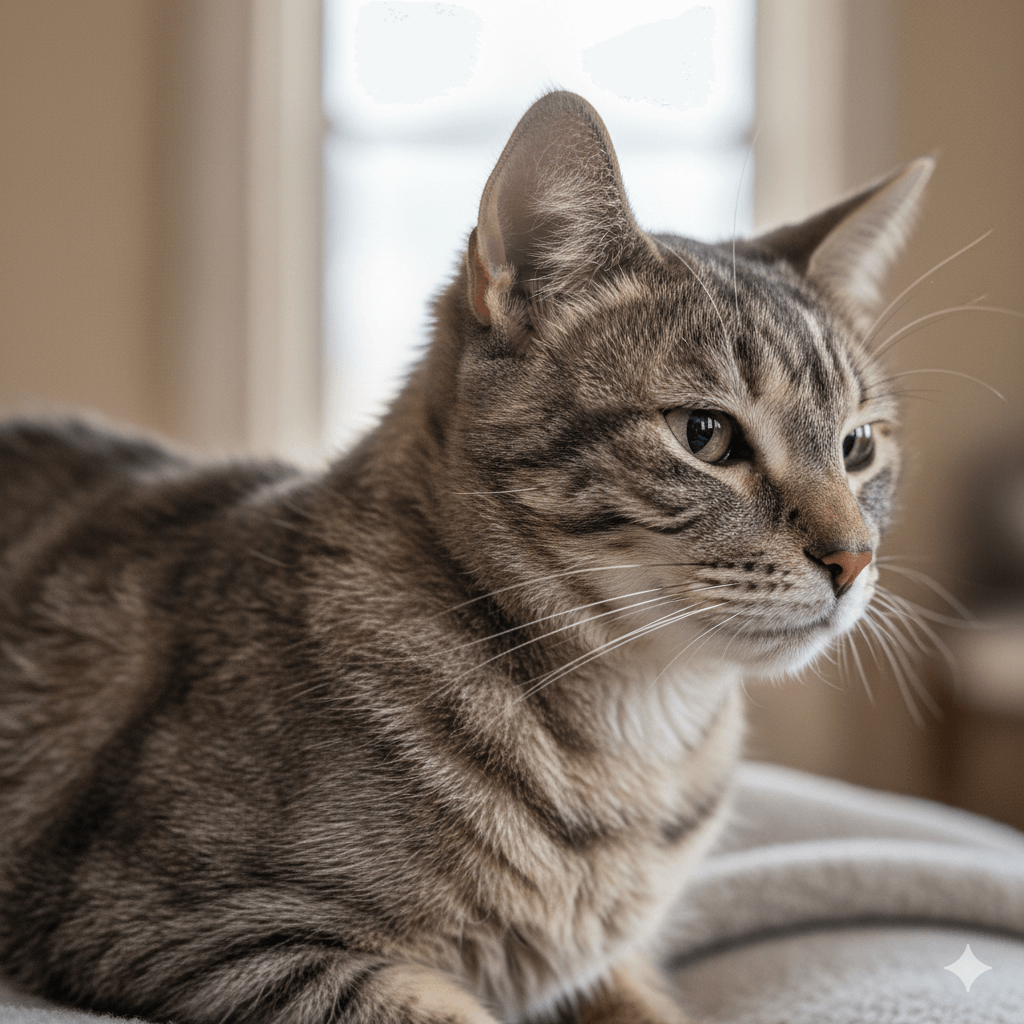
Hypothyroidism and Its Impact on Cat Skin: Best 7 Tips!

Hypothyroidism and Its Impact on Cat Skin: Best 7 Tips! – Discover how hypothyroidism affects your cat’s skin, spot symptoms early, and learn effective care strategies to keep your feline healthy.
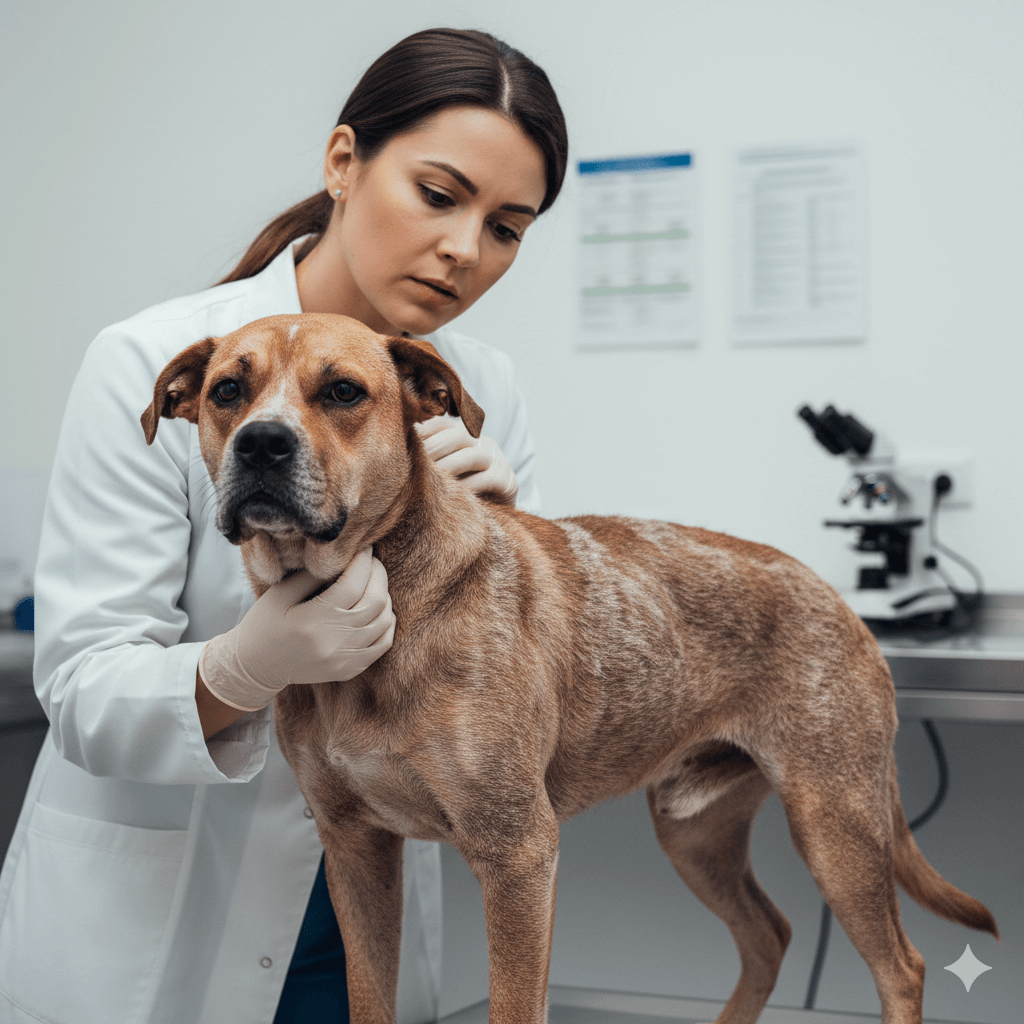
Hypothyroidism and Its Impact on Dog Skin: Best 7 Tips!

Hypothyroidism and Its Impact on Dog Skin: Best 7 Tips! – Discover how hypothyroidism affects your dog’s skin, spot symptoms early, and learn effective care strategies to restore their health.

Leave a Reply

Your email address will not be published. Required fields are marked *