
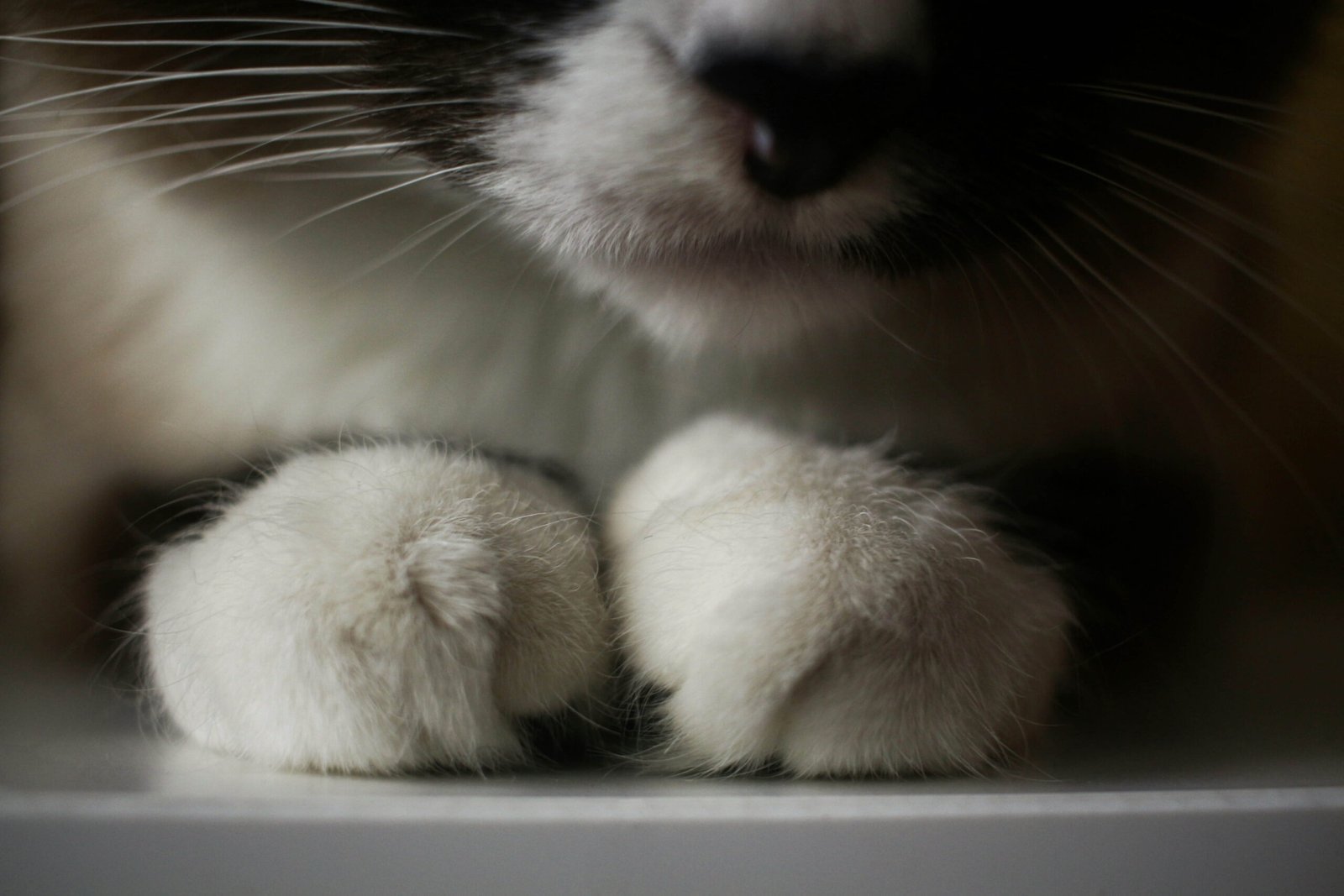
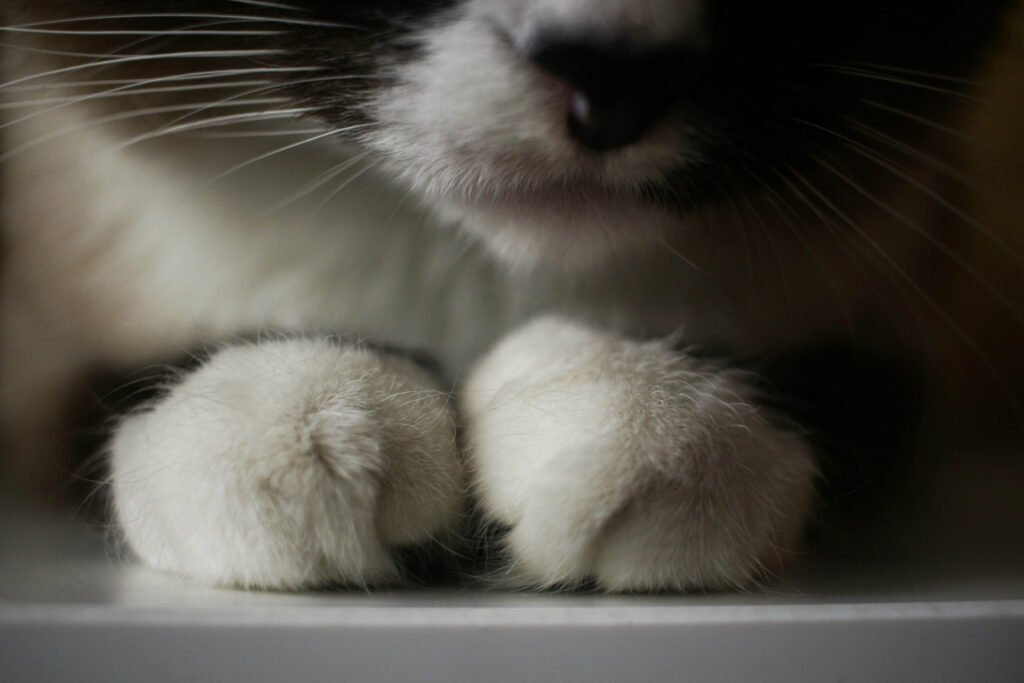

The Magic of Cat Paws: Nature’s Perfect Design
If you’ve ever spent time observing a cat, you’ve likely been mesmerized by their graceful movements and the delicate touch of their paws. Cat paws are more than just adorable—they’re marvels of nature, designed to support their unique lifestyle. From their cushioned pads to their retractable claws, every aspect of a cat’s paw serves a purpose. Whether you’re a cat owner or simply an admirer of these fascinating creatures, understanding the intricacies of cat paws can deepen your appreciation for them. In this blog post, we’ll explore the anatomy, functions, and care tips for cat paws, as well as answer some common questions about these incredible features.
Anatomy of Cat Paws: What Makes Them Unique?
Cats’ paws are intricate structures that combine strength, flexibility, and sensitivity. Let’s break down their key components:
Paw Pads:
The soft, padded areas on a cat’s paw provide cushioning and insulation. These pads also help cats walk silently, making them stealthy hunters.Retractable Claws:
Unlike dogs, cats have retractable claws that stay hidden until needed. This feature protects their claws from wear and tear while walking.Sweat Glands:
Cats have sweat glands located in their paws, which help regulate body temperature. However, unlike humans, sweating is not their primary cooling mechanism.Tactile Sensitivity:
A cat’s paw pads are highly sensitive and can detect vibrations and textures. This helps them navigate their environment and assess prey.Unique Patterns:
Just like human fingerprints, each cat has unique paw pad patterns. These can even be used for identification purposes in some cases.
Understanding the anatomy of cat paws reveals how perfectly adapted they are for survival and comfort. It’s no wonder these little features play such a vital role in a cat’s daily life.
Functions of Cat Paws: More Than Meets the Eye
Cat paws are versatile tools that serve multiple purposes beyond walking. Here’s a closer look at what they can do:
Hunting and Capturing Prey:
A cat’s paw is instrumental in stalking and capturing prey. Their retractable claws allow for quick, precise strikes when hunting.Communication:
Cats often use their paws to communicate with humans and other animals. For example, kneading is a behavior rooted in kittenhood that signifies comfort and affection.Self-Grooming:
Cats use their paws to assist in grooming. They lick their paws and then wipe them over hard-to-reach areas like their face and ears.Temperature Regulation:
While panting is the primary way cats cool down, their paw pads also release small amounts of moisture to help dissipate heat.Marking Territory:
Cats have scent glands in their paws, which leave subtle marks when they scratch surfaces. This helps them establish territory and feel secure.
From hunting to communication, cat paws are indispensable in nearly every aspect of a feline’s life. Their functionality showcases the brilliance of evolution.
Check this guide 👉Understanding Female Dog Anatomy: Best 7 Expert Tips!
Feature | Function |
|---|---|
Paw Pads | Provide cushioning and aid in silent movement |
Retractable Claws | Protect claws and enable precision attacks |
Sweat Glands | Help regulate body temperature |
Tactile Sensitivity | Detect vibrations and textures |
Scent Glands | Assist in marking territory |
Common Paw Problems in Cats: What to Watch For
While cat paws are resilient, they’re not immune to issues. Owners should be aware of potential problems that may arise:
Infections:
Bacteria or fungi can enter cuts or wounds on the paw pads, leading to infections. Symptoms include redness, swelling, or discharge.Foreign Objects:
Sharp objects like thorns or glass shards can become lodged in a cat’s paw. Regular inspection helps prevent complications.Overgrown Claws:
If a cat doesn’t scratch enough, its claws may grow too long, causing discomfort or injury to the paw pads.Allergies:
Some cats develop allergies that manifest as irritated or inflamed paw pads. Allergic reactions might require veterinary attention.Burns or Frostbite:
Extreme temperatures can harm a cat’s sensitive paw pads. Protecting them during harsh weather conditions is crucial.
By staying vigilant and addressing any signs of trouble early, you can ensure your cat’s paws remain healthy and functional.
Tips for Maintaining Healthy Cat Paws
Proper care ensures your cat’s paws stay in top condition. Consider these practical tips:
Regular Inspections:
Check your cat’s paws frequently for cuts, swelling, or foreign objects. Early detection prevents minor issues from becoming major ones.Trimming Claws:
Trim your cat’s claws regularly to prevent overgrowth and reduce the risk of injury.Moisturizing Pads:
Use pet-safe moisturizers to keep your cat’s paw pads hydrated, especially during dry seasons.Protective Measures:
During extreme weather, consider using protective booties or limiting outdoor time to shield their paws.Encouraging Scratching:
Provide scratching posts to encourage natural claw maintenance and exercise.
With consistent care, your cat’s paws will remain strong and healthy, supporting their active lifestyle.
The Emotional Connection Between Cats and Their Paws
Cats often use their paws to interact with their human companions, creating a unique bond. These interactions are not only adorable but also meaningful in understanding their behavior. Here’s how cats express themselves through their paws:
Kneading as Affection:
When your cat kneads you with their paws, it’s a sign of trust and affection. This behavior harks back to kittenhood when they would knead their mother for comfort.Pawing for Attention:
Cats may gently tap or pat you with their paw to get your attention. It’s their way of saying, “Hey, I need something!” Whether it’s food or playtime, this gesture is hard to ignore.Playful Swatting:
During play, cats often use their paws to swat at toys or your hands. This behavior mimics hunting and helps them hone their coordination and reflexes.Comfort Through Touch:
Cats sometimes rest their paws on their owners as a way to feel close and secure. This light touch can be incredibly endearing.Expressing Discomfort:
If a cat swipes or bats at you aggressively, it might indicate discomfort or irritation. Understanding this signal can help prevent misunderstandings.
These behaviors highlight the emotional depth of cats and how their paws serve as tools for connection. Paying attention to these cues can strengthen your relationship with your feline friend.
Fun Facts About Cat Paws
Cat paws are full of surprises, and there’s always something new to learn about them. Here are some intriguing facts that showcase just how special they are:
Silent Walkers:
Thanks to their soft paw pads, cats can move almost silently. This stealthy ability makes them excellent hunters and sneaky explorers.Unique Patterns:
Each cat has distinct paw pad patterns, similar to human fingerprints. These patterns are so unique that they could theoretically be used for identification.Built-In Shock Absorbers:
A cat’s paw pads act as shock absorbers, protecting their joints and bones when jumping from high places. This feature is essential for their agility.Temperature Sensors:
Paw pads can detect changes in temperature, helping cats avoid walking on surfaces that are too hot or cold. This sensitivity keeps them safe in various environments.Color Coordination:
The color of a cat’s paw pads often matches the color of their fur. For example, black cats typically have black paw pads, while orange cats have pinkish ones.
These fun facts reveal just how fascinating cat paws are. They’re not only functional but also full of quirky details that make cats even more lovable.
How to Bond Through Paw Care
Taking care of your cat’s paws isn’t just about health—it’s also an opportunity to strengthen your bond. By incorporating paw care into your routine, you can create positive associations for your feline companion. Here’s how to make paw care a bonding experience:
Gentle Touch:
Start by gently stroking your cat’s paws during calm moments. This helps them associate your touch with relaxation and safety.Positive Reinforcement:
Reward your cat with treats or praise after handling their paws. This encourages them to view paw care as a positive experience.Playful Distractions:
Use toys or interactive games to distract your cat while checking their paws. This reduces stress and makes the process smoother.Routine Inspections:
Make paw inspections part of your regular grooming routine. Consistency helps your cat become more comfortable over time.Patience and Respect:
If your cat resists, don’t force the interaction. Respect their boundaries and try again later when they’re more relaxed.
By approaching paw care with patience and positivity, you can turn it into a bonding ritual that benefits both you and your cat. It’s a small effort that goes a long way in nurturing trust and affection.
FAQ
Why do cats knead with their paws?
Kneading is a behavior inherited from kittenhood when they would press against their mother’s belly to stimulate milk flow. Adult cats often knead to express comfort or affection.
Can I trim my cat’s claws myself?
Yes, but it’s important to use proper tools and techniques. Avoid cutting into the quick, which can cause pain and bleeding.
How can I tell if my cat has a paw infection?
Signs include redness, swelling, discharge, or excessive licking of the affected area. Consult a vet if you suspect an infection.
Do cats sweat through their paws?
Yes, cats have sweat glands in their paws, but this isn’t their primary method of cooling down. Panting is more effective for regulating body temperature.
Should I clean my cat’s paws regularly?
Occasional cleaning is fine, especially after walks outside. Use a damp cloth to gently wipe away dirt and debris.
The Wonders of Cat Paws: Appreciating Nature’s Design
Cat paws are truly remarkable—combining beauty, functionality, and adaptability. From their unique anatomy to their diverse roles in a cat’s life, these small yet mighty features deserve our admiration. By understanding and caring for your cat’s paws, you can ensure they remain happy, healthy, and ready for whatever adventures lie ahead. Next time you see your feline friend stretching out those velvety paws, take a moment to appreciate the intricate design that makes them so special. After all, there’s nothing quite like the magic of cat paws!
Newfoundland Dog Personality: Best 7 Expert Tips! – Discover the gentle, loyal, and protective nature of this giant breed perfect for families.
Can Hot Pavement Burn Your Cats Paws? Best 7 Expert Tips! – Learn how to protect your cat’s paws from hot surfaces and prevent painful burns this summer.
Can Hot Pavement Burn Your Dogs Paws? Best 7 Expert Tips! – Learn how to protect your dog’s paws from hot surfaces and ensure safe summer walks.
Irish Wolfhound Size: Best 7 Expert Tips! – Discover the ideal height, weight, and care tips for this majestic giant breed. Learn how to manage their impressive stature responsibly.


