

The Enchanting Lilac Tortoiseshell Cat: Best 7 Expert Tips!

The Enchanting Lilac Tortoiseshell Cat: Best 7 Expert Tips!

The Enchanting Lilac Tortoiseshell Cat


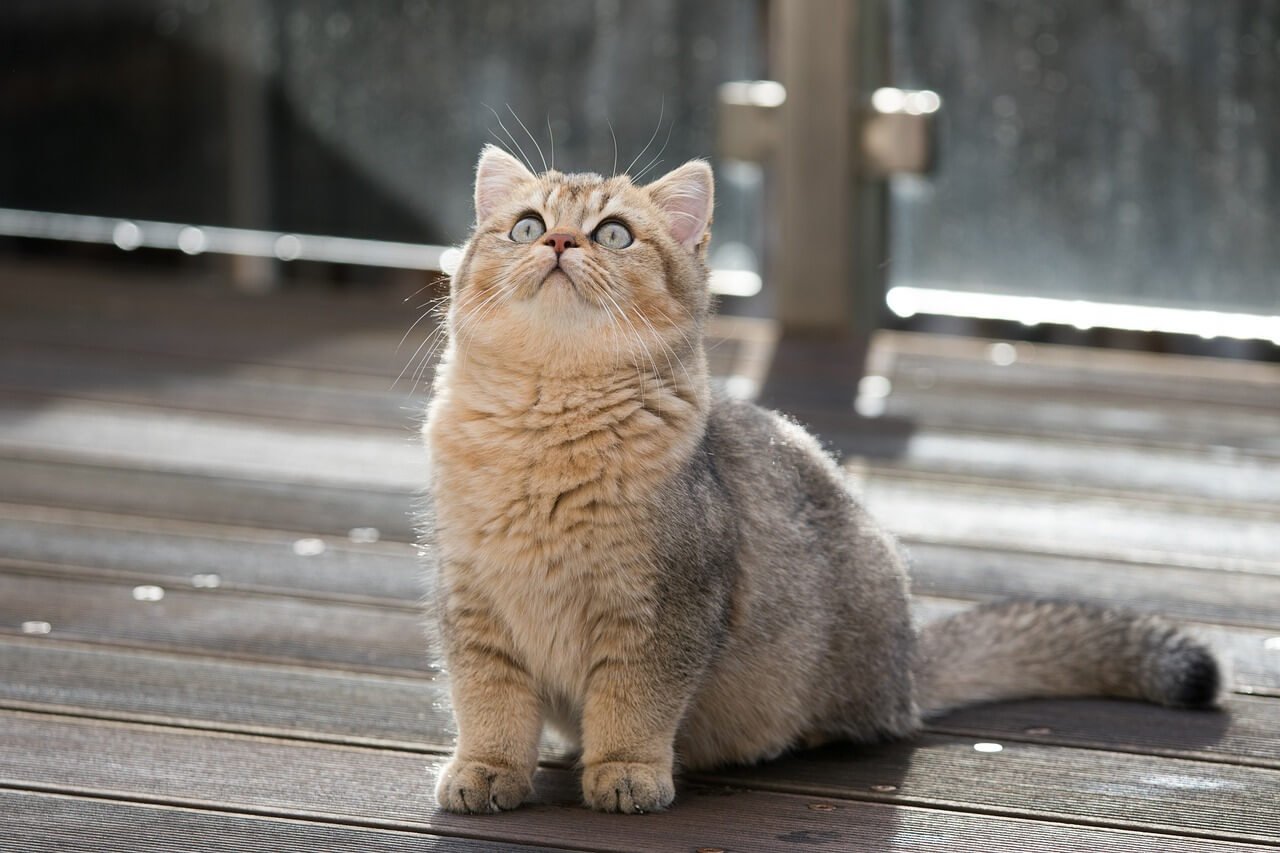
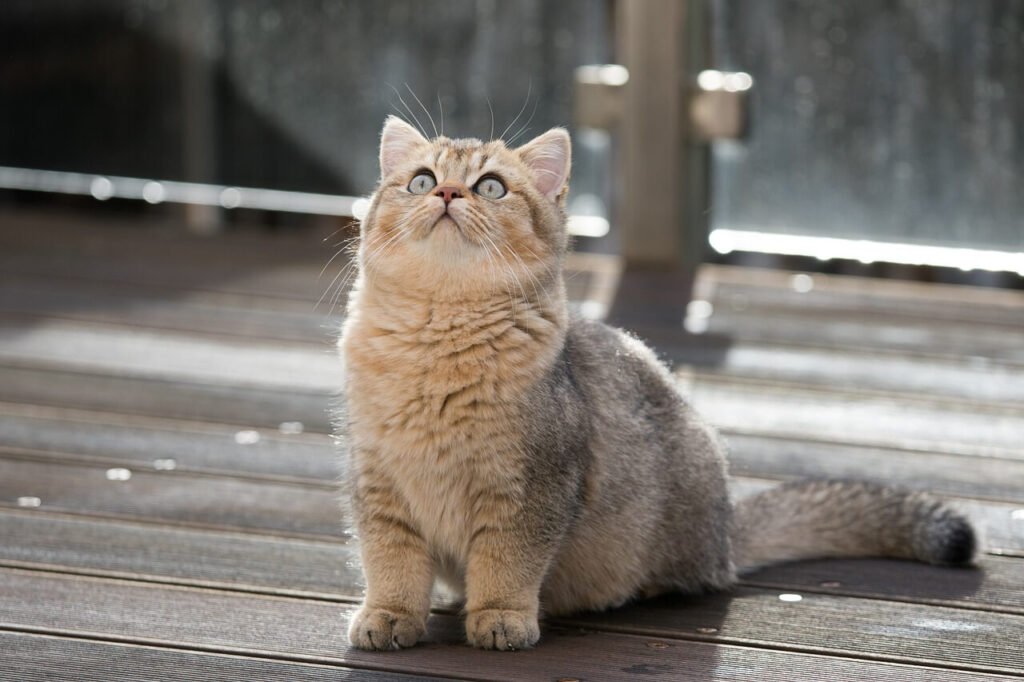
The lilac tortoiseshell cat, with its mesmerizing blend of soft lavender and cream hues, is a rare and captivating feline beauty. Known for their striking coat patterns and unique personalities, these cats are a delight to behold and care for. Often referred to as “torties” with a lilac twist, they stand out even among the diverse world of tortoiseshell cats. But what makes the lilac tortoiseshell so special? From their genetics to their temperament, this blog post dives into everything you need to know about these extraordinary felines. Whether you’re considering adopting one or simply fascinated by their charm, you’ll discover why the lilac tortoiseshell cat is truly one of a kind.

What Makes the Lilac Tortoiseshell Coat So Unique?


The lilac tortoiseshell’s coat is a masterpiece of nature, blending delicate colors in intricate patterns that are as individual as a fingerprint. Here’s what sets this stunning coat apart from other feline varieties.

 
  • Rare Dilute Coloration:
    The lilac shade is a diluted version of chocolate brown, resulting from specific genetic combinations that are relatively uncommon in cats.

  • Tortoiseshell Pattern Variations:
    Each lilac tortoiseshell cat has a unique mix of lilac and cream patches, making no two coats exactly alike.

  • X-Chromosome Influence:
    The tortoiseshell pattern arises from the random inactivation of X chromosomes in female cats, leading to the mottled color effect.

  • Soft and Velvety Texture:
    Beyond its visual appeal, the lilac tortoiseshell’s fur often feels luxuriously soft to the touch, adding to their allure.

  • Limited Availability:
    Due to the rarity of the lilac gene, finding a lilac tortoiseshell cat can be challenging, making them highly sought after by cat enthusiasts.


The combination of genetics, rarity, and sheer beauty makes the lilac tortoiseshell coat a true marvel of nature.

 
The Enchanting Lilac Tortoiseshell Cat: Best 7 Expert Tips!

Temperament and Personality Traits of Lilac Tortoiseshell Cats


Beyond their stunning appearance, lilac tortoiseshell cats are known for their vibrant personalities. Often described as spirited and affectionate, they bring a unique energy to any household.

 
  • Strong-Willed and Independent:
    Like many tortoiseshell cats, lilac torties are known for their independent streak and strong opinions about their surroundings.

  • Playful and Energetic:
    These cats love interactive play and enjoy activities that stimulate both their minds and bodies.

  • Affectionate Companions:
    Despite their independence, lilac tortoiseshells form deep bonds with their owners and often seek out cuddles and attention.

  • Talkative Nature:
    Many lilac torties are vocal and will “chat” with their humans, expressing their needs and desires through meows and chirps.

  • Curious Explorers:
    Their adventurous spirit drives them to investigate every corner of the house, ensuring there’s never a dull moment with them around.


With their dynamic mix of independence and affection, lilac tortoiseshell cats make wonderful companions for those who appreciate their bold personalities.

 
Characteristics of Lilac Tortoiseshell Cats
Care Tips for Owners
Rare lilac and cream coat pattern
Brush weekly to maintain their soft fur
Typically female due to genetic factors
Provide plenty of toys for mental stimulation
Playful and energetic personality
Create safe spaces for climbing and exploring
Vocal and communicative nature
Respond to their vocal cues with attention
Independent yet affectionate
Respect their need for personal space

Health Considerations for Lilac Tortoiseshell Cats


While lilac tortoiseshell cats are generally healthy, understanding potential health concerns and providing proper care ensures they live long, happy lives.

 
  • Genetic Predispositions:
    Some tortoiseshell cats may inherit conditions like polycystic kidney disease (PKD), so regular vet check-ups are essential.

  • Dental Health:
    Like all cats, lilac torties are prone to dental issues such as gingivitis. Establish a routine of teeth brushing or dental treats.

  • Obesity Risks:
    Their playful nature helps keep them active, but overfeeding can still lead to weight gain. Monitor portion sizes carefully.

  • Stress Sensitivity:
    Lilac torties can be sensitive to changes in their environment, which may cause stress-related behaviors like excessive grooming.

  • Spaying/Neutering Importance:
    Spaying female lilac tortoiseshell cats not only prevents unwanted litters but also reduces the risk of certain reproductive cancers.


By staying informed about these health considerations, you can provide the best possible care for your lilac tortoiseshell companion.

How to Care for Your Lilac Tortoiseshell Cat’s Coat


Maintaining the beauty of your lilac tortoiseshell’s coat requires regular grooming and attention. Follow these tips to keep their fur looking and feeling its best.

 
  • Regular Brushing:
    Use a soft-bristle brush or grooming glove to remove loose hair and prevent matting, especially during shedding seasons.

  • Bathing Only When Necessary:
    Lilac torties rarely need baths, but if required, use a gentle cat shampoo to avoid irritating their skin.

  • Check for Tangles:
    Inspect their coat regularly for knots or tangles, particularly behind the ears and under the legs.

  • Healthy Diet Matters:
    A balanced diet rich in omega-3 fatty acids promotes a shiny, healthy coat and minimizes excessive shedding.

  • Monitor Skin Health:
    Look for signs of dryness, irritation, or parasites, and consult your vet if you notice anything unusual.


Proper coat care not only enhances your lilac tortoiseshell’s appearance but also strengthens your bond with them.

Common Misconceptions About Lilac Tortoiseshell Cats

Despite their popularity, several misconceptions surround lilac tortoiseshell cats. Clearing up these myths helps foster a deeper appreciation for these remarkable felines.

 
  • They Are High-Maintenance:
    While their coats are stunning, lilac torties require no more grooming than other short-haired breeds.

  • All Tortoiseshells Have Similar Personalities:
    Each cat is an individual; while some traits overlap, not all lilac torties behave identically.

  • They Are Always Aggressive:
    Though they may be feisty, most lilac tortoiseshells balance their independence with warmth and affection.

  • Their Rarity Makes Them Expensive:
    Price varies depending on breeder reputation and location, but not all lilac torties come with a hefty price tag.

  • Only Purebred Cats Have Lilac Coats:
    Mixed-breed cats can also carry the genes for lilac tortoiseshell coloring.


Understanding the truth behind these myths allows for realistic expectations when bringing a lilac tortoiseshell into your home.

Fun Facts About Lilac Tortoiseshell Cats

Lilac tortoiseshell cats are full of surprises, and learning fun facts about them adds to their mystique.

 
  • “Tortitude” Defined:
    The term “tortitude” refers to the spunky and sassy personality often associated with tortoiseshell cats.

  • Symbolism in Folklore:
    In some cultures, tortoiseshell cats are considered symbols of good luck and prosperity.

  • Unique Eye Colors:
    Many lilac torties have striking green or gold eyes, further enhancing their captivating appearance.

  • Long Lifespan Potential:
    With proper care, lilac tortoiseshell cats can live 12-16 years or longer, offering years of companionship.

  • Chimera Possibility:
    Some tortoiseshell cats are chimeras, meaning they developed from two fertilized embryos fused together.


These fascinating tidbits highlight the charm and wonder of lilac tortoiseshell cats.

How to Bond with Your Lilac Tortoiseshell Cat

Building a strong relationship with your lilac tortoiseshell cat takes time and effort, but the rewards are immeasurable.

 
  • Spend Quality Time Together:
    Engage in daily play sessions using feather wands or laser pointers to strengthen your connection.

  • Offer Treats and Rewards:
    Positive reinforcement through treats encourages trust and reinforces good behavior.

  • Respect Their Boundaries:
    Give your cat space when they seem uninterested in interaction, respecting their need for independence.

  • Create a Safe Environment:
    Provide cozy hiding spots and elevated perches to make them feel secure in their surroundings.

  • Talk to Your Cat Regularly:
    Speaking softly and consistently helps them recognize your voice and builds familiarity.


By nurturing your bond, you’ll enjoy a lifetime of love and loyalty with your lilac tortoiseshell companion.

Frequently Asked Questions About Lilac Tortoiseshell Cats

 
Are lilac tortoiseshell cats hypoallergenic?

No, they are not hypoallergenic, but regular grooming can help minimize allergens.

Yes, they typically adapt well to multi-pet households if introduced properly.

They are relatively rare due to the specific genetics required for their coat color.

With proper care, they can live up to 12-16 years.

Absolutely! Their playful nature makes them excellent companions for kids.

Celebrating the Magic of Lilac Tortoiseshell Cats


The lilac tortoiseshell cat is a living work of art, combining breathtaking beauty with a bold and loving personality. Whether you’re drawn to their enchanting coat, spirited demeanor, or affectionate nature, these felines leave an indelible mark on anyone lucky enough to share their lives with them. By understanding their unique traits and providing thoughtful care, you can create a harmonious home where your lilac tortoiseshell thrives. With their rarity and charm, these cats remind us of the wonders of nature—and the joy that comes from welcoming a truly extraordinary companion into our hearts.

Understanding Bone Supplement for Cats: Best 7 Expert Tips!

Understanding Bone Supplement for Cats: Best 7 Expert Tips! – Safe, vet-approved guidance for strong feline bones & balanced nutrition.

Bone Supplement for Dogs: Best 7 Expert Tips!

Bone Supplement for Dogs: Best 7 Expert Tips! – Expert guide to calcium, collagen & bone health for every life stage.

Understanding Can Cats Get Sunburn: Best 7 Expert Tips!

Understanding Can Cats Get Sunburn: Best 7 Expert Tips! – Protect your feline from UV damage with vet-backed prevention strategies.

How to Train a Seizure Alert Dog: Best 7 Expert Tips!

How to Train a Seizure Alert Dog: Best 7 Expert Tips! – Learn expert-backed steps to nurture natural instincts into reliable, life-saving seizure alerts.

Leave a Reply

Your email address will not be published. Required fields are marked *


