

Adopting a Ragdoll Cat: A Joyful Journey into Feline Companionship
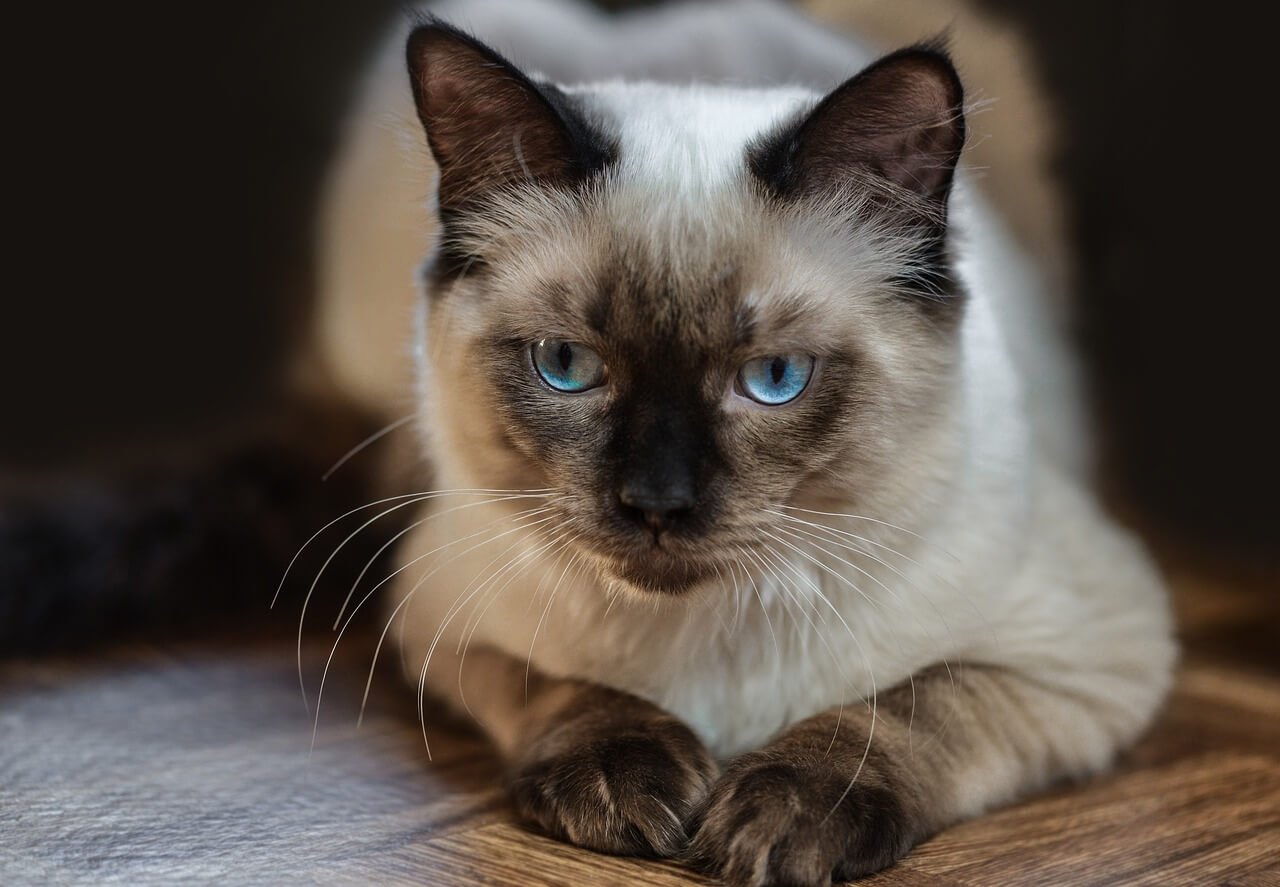
The decision to adopt a Ragdoll cat is one that promises immense joy, companionship, and unconditional love. Known for their striking blue eyes, silky fur, and affectionate nature, Ragdolls are among the most beloved cat breeds worldwide. But before bringing one of these gentle giants into your home, it’s essential to understand what makes them unique and how to provide the care they need. From their laid-back temperament to their specific grooming requirements, this guide will walk you through everything you need to know about adopting and caring for a Ragdoll cat. Whether you’re a first-time cat owner or a seasoned feline enthusiast, this blog post will help you prepare for a rewarding life with your new furry friend.
Why Choose a Ragdoll Cat? Key Traits to Love
Ragdoll cats are cherished not only for their stunning appearance but also for their exceptional personality traits. These qualities make them an ideal choice for families, singles, and seniors alike.
Affectionate Nature:
Ragdolls thrive on human interaction and often follow their owners around the house like loyal companions.Gentle Temperament:
Known for their calm demeanor, Ragdolls are less likely to scratch or bite, making them great pets for households with children.Playful Yet Relaxed:
While they enjoy playtime, Ragdolls are equally content lounging on the couch, making them perfect for indoor living.Highly Social:
Unlike some independent cat breeds, Ragdolls crave attention and form strong bonds with their human family members.Easy to Train:
Their intelligence and willingness to please make Ragdolls responsive to basic commands and litter box training.
These endearing traits highlight why Ragdolls are often referred to as “puppy-like” cats, blending the best of both worlds in feline form.
Essential Care Tips for Your Ragdoll Cat
Caring for a Ragdoll cat involves understanding their unique needs and ensuring they live a happy, healthy life. Here are some practical tips to keep in mind.
Regular Grooming Sessions:
Their long, luxurious coat requires brushing 2-3 times a week to prevent matting and reduce shedding.Balanced Nutrition:
Feed your Ragdoll high-quality cat food rich in protein and essential nutrients to support their growth and overall health.Routine Vet Check-Ups:
Schedule annual veterinary visits to monitor their health and stay up-to-date on vaccinations.Dental Hygiene:
Brush your Ragdoll’s teeth regularly to prevent dental issues and maintain fresh breath.Safe Indoor Environment:
As indoor cats, Ragdolls need a secure space free from hazards like toxic plants or open windows.
By prioritizing these care essentials, you can ensure your Ragdoll enjoys a long, fulfilling life by your side.
Check this guide 👉 The Enchanting World of the Russian White Cat: Best 7 Tips!
Check this guide 👉 The Majestic Maine Coon Mix: Best 7 Expert Tips!
Check this guide 👉 The Allure of Mixed Siamese Cats: Best 7 Expert Care Tips!
Pros of Adopting a Ragdoll Cat | Cons of Adopting a Ragdoll Cat |
|---|---|
Affectionate and social | Requires regular grooming |
Gentle and child-friendly | Prone to certain health conditions |
Adaptable to indoor living | Can be expensive to purchase or adopt |
Intelligent and trainable | Needs constant companionship |
Long lifespan (12-17 years) | Susceptible to hairballs due to long fur |
Preparing Your Home for a Ragdoll Cat
Before bringing your Ragdoll home, it’s important to create a safe and welcoming environment tailored to their needs. These steps will help ease their transition and set the stage for a harmonious household.
Designate a Cozy Space:
Set up a quiet area with a bed, food, water, and litter box where your Ragdoll can feel secure.Invest in Quality Toys:
Provide interactive toys and scratching posts to keep your Ragdoll entertained and mentally stimulated.Secure Hazardous Areas:
Remove small objects, cords, and toxic substances that could pose risks to your curious new pet.Install Window Screens:
Ensure all windows have secure screens to prevent accidental escapes or falls.Stock Up on Supplies:
Have essentials like a grooming brush, nail clippers, and a sturdy cat carrier ready for your Ragdoll’s arrival.
A well-prepared home ensures your Ragdoll feels comfortable and loved from day one.
Health Considerations for Ragdoll Cats
While Ragdolls are generally healthy, they are predisposed to certain genetic conditions that require vigilance and proactive care. Understanding these risks helps you provide the best possible care.
Hypertrophic Cardiomyopathy (HCM):
This common heart condition in Ragdolls can be managed with early detection and veterinary monitoring.Bladder Issues:
Ragdolls may be prone to urinary tract problems, so hydration and proper diet are crucial.Obesity Risks:
Due to their laid-back nature, Ragdolls can gain weight easily. Monitor portion sizes and encourage exercise.Dental Disease:
Regular dental care prevents gum infections and tooth decay, which can affect their overall health.Hairball Management:
Long-haired breeds like Ragdolls are more susceptible to hairballs; use specialized diets or supplements to minimize this issue.
Staying informed about potential health concerns allows you to address problems promptly and keep your Ragdoll thriving.
Common Misconceptions About Ragdoll Cats
Despite their popularity, several misconceptions surround Ragdoll cats. Clearing up these myths helps set realistic expectations for prospective owners.
Myth: Ragdolls Are Completely Hypoallergenic:
While they shed less than some breeds, no cat is entirely hypoallergenic.Myth: They Don’t Need Exercise:
Though relaxed, Ragdolls still require playtime to stay physically and mentally active.Myth: They’re Low-Maintenance Grooming Pets:
Their long coats demand regular brushing to prevent tangles and mats.Myth: All Ragdolls Are Identical in Personality:
Like all animals, individual personalities vary widely within the breed.Myth: They’re Immune to Health Problems:
Ragdolls are prone to specific genetic conditions requiring proactive care.
Understanding the truth behind these myths ensures you’re fully prepared for life with a Ragdoll.
Fun Activities to Bond With Your Ragdoll
Building a strong bond with your Ragdoll involves engaging in activities that cater to their playful yet relaxed nature. These ideas foster connection and trust.
Interactive Play Sessions:
Use wand toys or laser pointers to stimulate their hunting instincts and encourage movement.Training Challenges:
Teach simple tricks like “sit” or “come” using treats as positive reinforcement.Cuddle Time:
Ragdolls adore snuggling—spend quality time holding or petting them to strengthen your relationship.Exploration Games:
Create obstacle courses or hide treats around the house to spark curiosity and exploration.Window Watching:
Place a perch near a window so your Ragdoll can observe birds and outdoor activity safely.
These activities deepen your bond while keeping your Ragdoll entertained and content.
How to Introduce a Ragdoll to Other Pets
Introducing a Ragdoll to existing pets requires patience and careful planning to ensure harmony in your household. Follow these steps for a smooth transition.
Start with Separate Spaces:
Keep the Ragdoll isolated initially to allow them to acclimate to their new surroundings without stress.Controlled Introductions:
Gradually introduce pets under supervision, using leashes or barriers if needed.Use Positive Reinforcement:
Reward calm behavior with treats or praise to associate interactions with positivity.Monitor Body Language:
Watch for signs of aggression or discomfort and separate pets if necessary.Create Neutral Zones:
Designate areas where all pets can retreat to avoid conflicts or territorial disputes.
With time and consistency, your Ragdoll can form lasting friendships with other pets in your home.
Frequently Asked Questions About Ragdoll Cat Adoption
Are Ragdoll cats hypoallergenic?
No, Ragdolls are not hypoallergenic. However, their low-shedding coat may cause fewer allergic reactions compared to other long-haired breeds.
Do Ragdolls require a lot of exercise?
Not necessarily. While they enjoy playtime, Ragdolls are relatively laid-back and don’t need excessive physical activity.
Can Ragdolls be left alone during the day?
It depends. Some Ragdolls tolerate solitude better than others, but prolonged isolation isn’t recommended due to their social nature.
How much does it cost to adopt a Ragdoll?
Adoption fees vary depending on location and breeder reputation, ranging from 500 to 2,000.
Are Ragdolls good with children?
Yes! Their patient and tolerant personalities make them excellent companions for kids.
Embracing Life with Your New Ragdoll Companion
Adopting a Ragdoll cat is a decision that brings endless love, laughter, and warmth into your home. Their enchanting personalities, combined with their striking beauty, make them truly special companions. By preparing your home, understanding their care needs, and staying attentive to their health, you can ensure a lifetime of happiness together. Remember, adopting any pet is a commitment—one that rewards you tenfold with loyalty and affection. If you’re ready to welcome a Ragdoll into your life, embrace the journey knowing you’ve made a thoughtful and loving choice.
Is Rawhide Bad for Cats? Best 7 Expert Tips! – Discover the risks, safe alternatives, and expert advice to keep your feline friend healthy and happy.

Is Rawhide Bad for Dogs? Best 7 Expert Tips! – Discover the risks, benefits, and safer alternatives to rawhides for your dog’s chewing needs.

Understanding Anorexia in Cats: Best 7 Expert Tips! – Learn why cats stop eating, spot warning signs, and discover how to help your feline regain appetite safely.

Understanding Anorexia in Dogs: Best 7 Expert Tips! – Learn causes, symptoms, and solutions to help your dog regain appetite and stay healthy.